General Motors is changing its China leadership just as the business is showing signs of recovery.
A leadership change at an awkwardly strong moment
The company has returned to profit in China for four consecutive quarters and, according to the article, was the only global automaker to increase market share in the period cited.
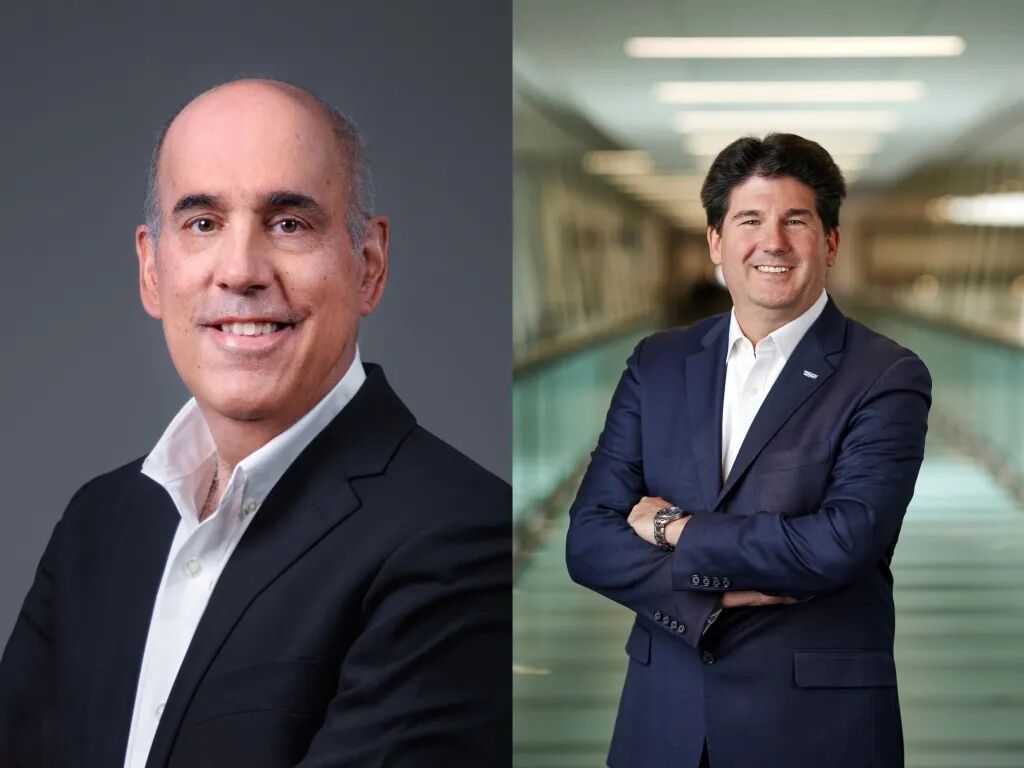
GM has announced that John Roth, currently global vice-president of Cadillac, will become senior vice-president and president of GM China from December 1. Steve Hill, the current China chief, will move into a newly created role as senior vice-president for global exports and retail innovation.
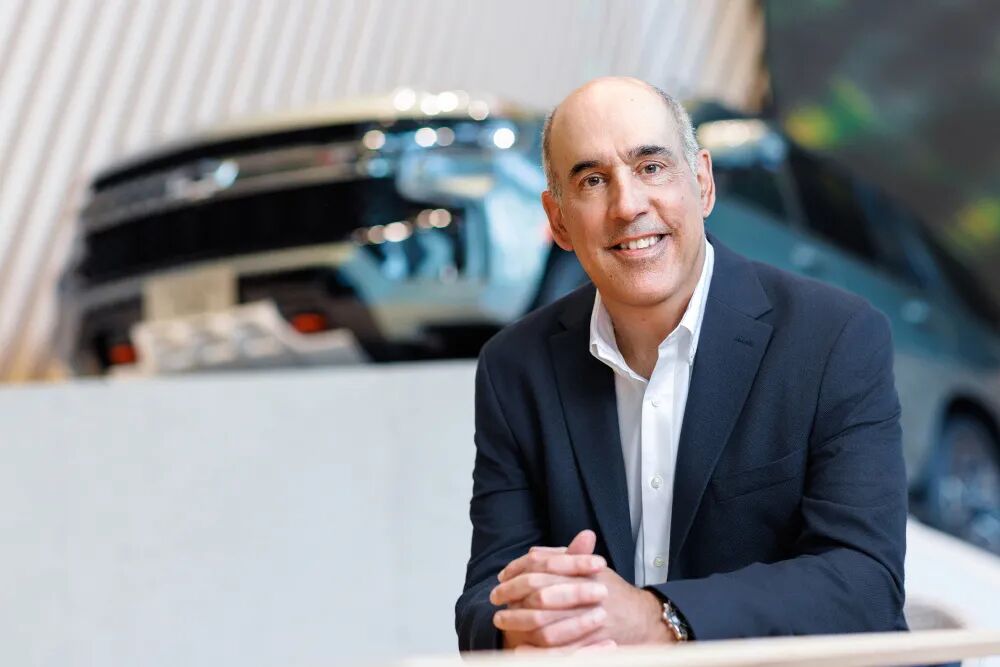
The timing is striking. Hill took charge of GM China in June 2024, when the business was under pressure from falling sales and losses. By the third quarter of 2025, GM's China retail sales had reached 470,000 vehicles, up 10.1 per cent year on year, with two consecutive quarters of sales and share growth.
This is therefore more than a routine rotation. It suggests GM is trying to turn its China recovery into a global playbook while putting a luxury and electrification specialist in charge of one of the world's most competitive car markets.
Hill takes China's export model global
Hill's new position was created to match a changing global industry structure. His record in China explains the move. During his tenure, GM restructured operations, gave local teams more influence and looked for ways to use Chinese manufacturing capacity beyond the domestic market.
One example was the export of SAIC-GM-Wuling models rebadged as Chevrolets to Southeast Asia, the Middle East and Central and South America. The strategy used China's manufacturing base and supply-chain strengths to support GM's presence in emerging markets.

Wuling's Hongguang Mini EV family sold 117,000 units in the third quarter of 2025 alone, helping GM's new-energy sales in China rise for 10 consecutive quarters. Exports also became an important support for profitability.
Moving Hill into a global export role points to a broader idea: combine China-based development and manufacturing with global brands, then apply that model in markets where cost, compact EVs and flexible supply chains matter.
Why Roth fits the China brief
John Roth is a GM veteran. He joined the company in 1991 and has worked across sales, marketing and service roles. He became vice-president for marketing, sales and service in Canada in 2013, then moved in 2018 to lead GM's Africa and Middle East operations, where he managed growth in emerging markets.
He later served as vice-president for global customer care and aftersales, giving him experience closer to the end customer. In June 2023, he took charge of Cadillac, where GM says the brand became one of the fastest-growing luxury marques globally and led luxury EV sales.

That background matters in China. GM needs to strengthen its luxury position, improve its new-energy credibility and compete in a market where localised software, assisted driving and customer experience can matter as much as traditional brand power.
The logic of the reshuffle is clear. Hill takes China's operating and export lessons outward. Roth brings global luxury, EV and cross-regional management experience into China.
Recovery sits beside supply-chain tension
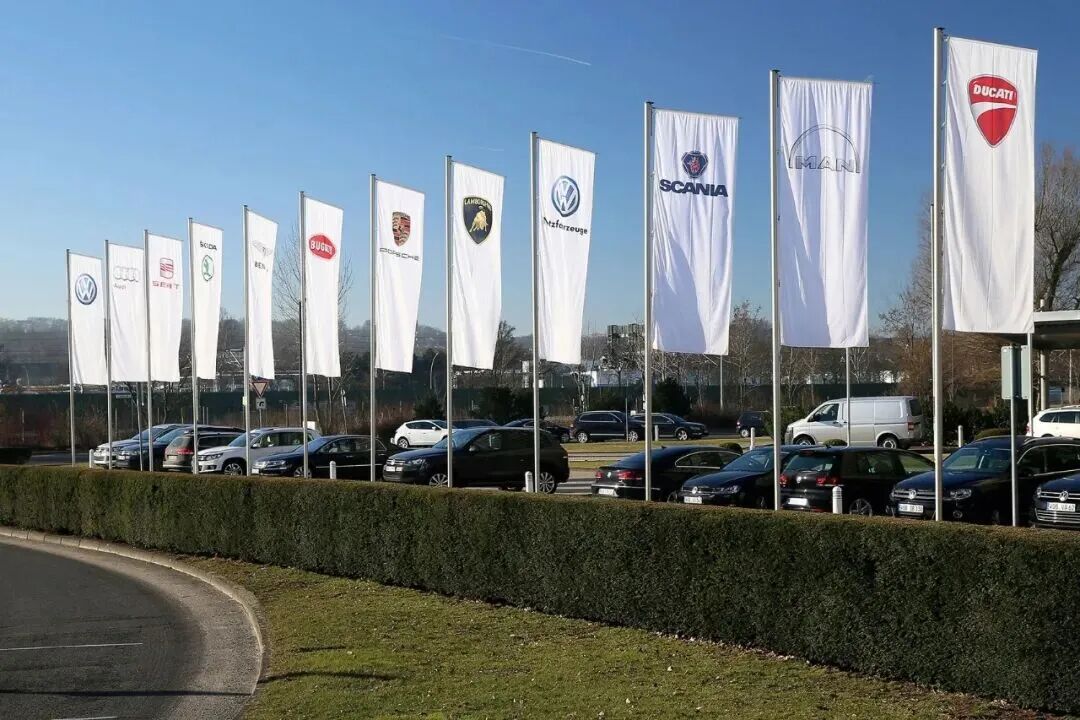
GM's management change is part of a wider pattern among global automakers. Stellantis, Nissan, Porsche and Renault have all moved or planned leadership changes as traditional manufacturers struggle to balance the cost of electrification with uncertain returns.
Porsche posted a third-quarter 2025 loss of nearly €1 billion. Volkswagen Group reported a €1.072 billion quarterly net loss, its first in almost five years, with EV investment failing to convert quickly enough into share gains. Nissan has moved to cost controls and asset disposals to relieve financial pressure.
GM has been more resilient. In the third quarter of 2025, it reported global revenue of $48.6 billion. Net income fell 56.6 per cent to $1.3 billion because of one-off charges linked to EV strategy restructuring and Cruise, but adjusted EBIT remained at $3.4 billion. GM raised its full-year adjusted EBIT forecast to $12 billion-$13 billion from $10 billion-$12.5 billion.
China's recovery helps explain that confidence. Yet GM's China strategy also sits beside a more complicated global supply-chain agenda.
Several media reports cited in the article said GM is pushing suppliers to remove China-sourced components from some supply chains, with a target date of 2027 for certain suppliers. The effort is primarily aimed at vehicles produced in North America, but it could still affect cost structures, coordination and risk management for China-linked operations over time.
Industry specialists have warned that decoupling is difficult. China is deeply embedded in automotive lighting, electronics, mould-making and customised components. Collin Shaw, president of the Motor & Equipment Manufacturers Association, has also said that China's parts and raw-material networks are deeply rooted and hard to replace.
Cadillac is Roth's immediate test
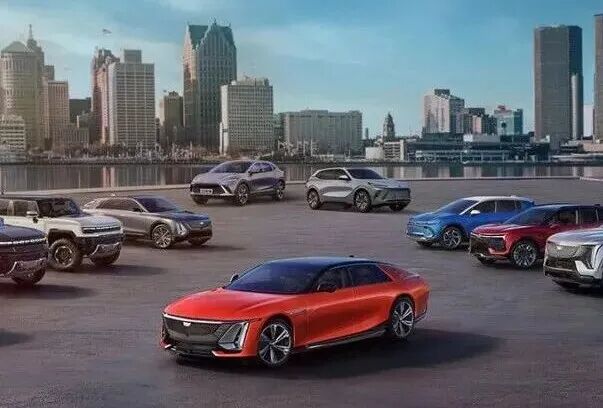
Roth's first challenge in China will be Cadillac. The brand remains GM's luxury pillar in the market, but its sales have weakened sharply. After peaking at 233,000 vehicles in 2021, Cadillac fell for four straight years and sold only 113,800 units in 2024, down 38 per cent.
In the first half of 2025, Cadillac sold 49,944 vehicles in China, down 24.21 per cent year on year. It was the only GM brand in China to decline during that period, according to the article.
The reasons are familiar. German luxury brands have cut prices, Cadillac's brand value has been diluted, and its new-energy transition has not fully matched Chinese buyer expectations. Roth has experience with Cadillac's electrification, but China will require sharper localisation in intelligent cabins, assisted driving and product cadence.
He must also protect GM China's cost and supply stability while the group considers broader supply-chain diversification. That balance will be difficult: local joint ventures depend on mature Chinese supply chains, while the group wants to reduce geopolitical exposure in other regions.
A strategic balancing act
GM's China reshuffle captures the dilemma facing many global automakers. China is too important to lose and too complex to manage as a normal regional business.
The market offers sales recovery, export lessons, manufacturing depth and new-energy scale. It also creates exposure to fast local competitors, heavy software expectations and geopolitical supply-chain pressure.
Roth's mission is therefore not only to preserve a turnaround. He must define what GM China is meant to be in the next stage: a profit centre, a technology and export base, a luxury recovery project, and a risk-managed part of a global supply network. Those aims can reinforce each other, but only if GM handles the contradictions with unusual care.