
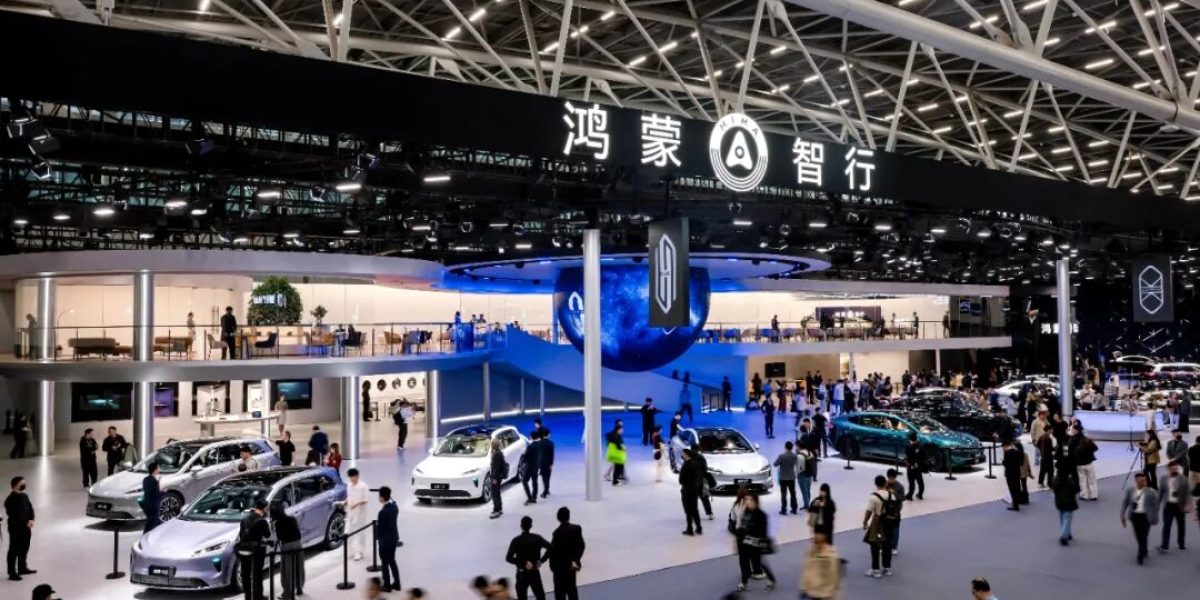
The 2025 Guangzhou auto show offered a useful snapshot of where China's car market is heading.
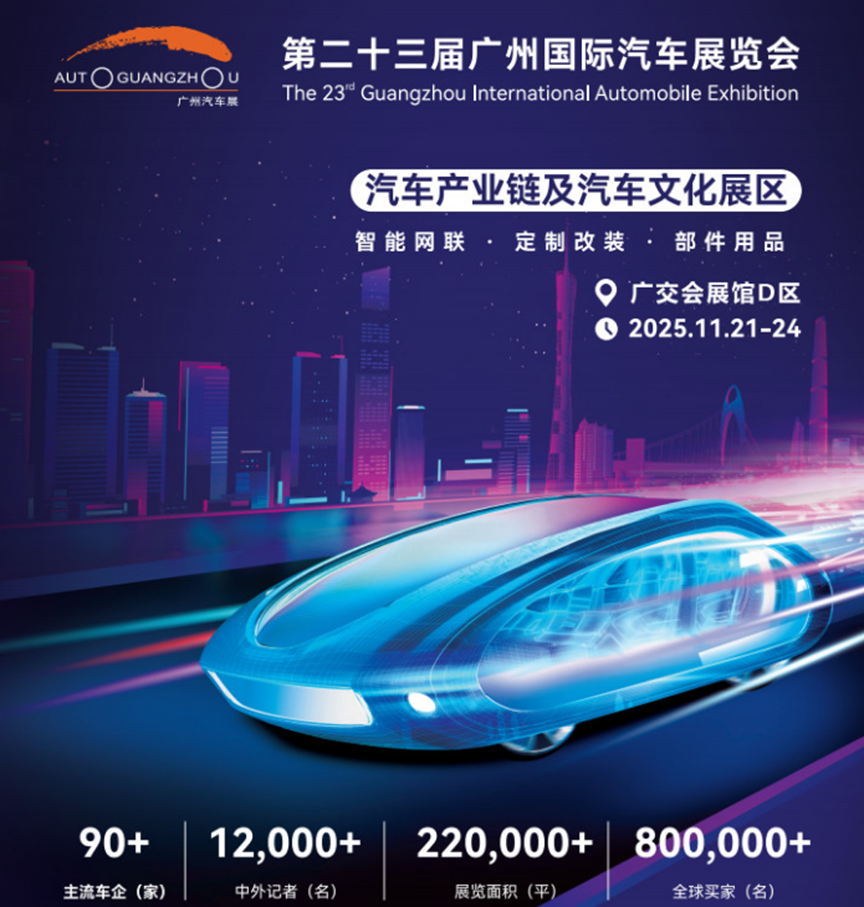
A show dominated by new energy, but with clearer strategies
The exhibition included 93 world premieres and 1,085 display vehicles, of which 629 were new-energy models. Electrification remained the main stage.
What changed was the tone. This was not a show built around experimental signals. Automakers arrived with more defined routes: extended-range vehicles, smarter joint-venture products and deeper links with Huawei's automotive technology ecosystem.
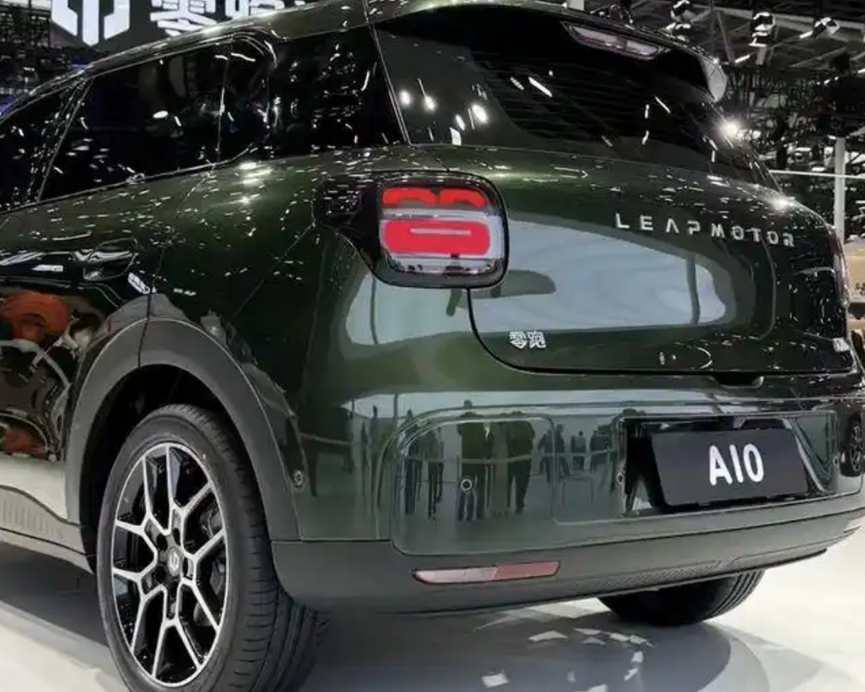
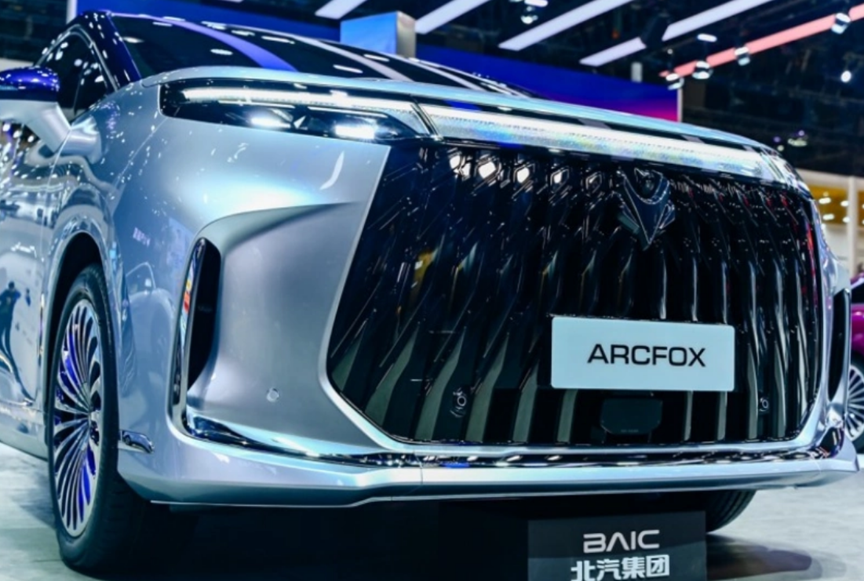
Leapmotor showed the A10 battery-electric SUV, SAIC Volkswagen put forward an extended-range flagship SUV, BAIC Arcfox unveiled a luxury MPV, and Huawei moved to connect its partner-brand vehicles more closely through its Qiankun app. The next phase of competition is becoming more practical and less rhetorical.
Extended range becomes mainstream
Extended-range vehicles were one of the clearest themes of the show. The format is not new in China, and Li Auto has built much of its success around it. What is different now is the breadth and weight of the companies joining the race.
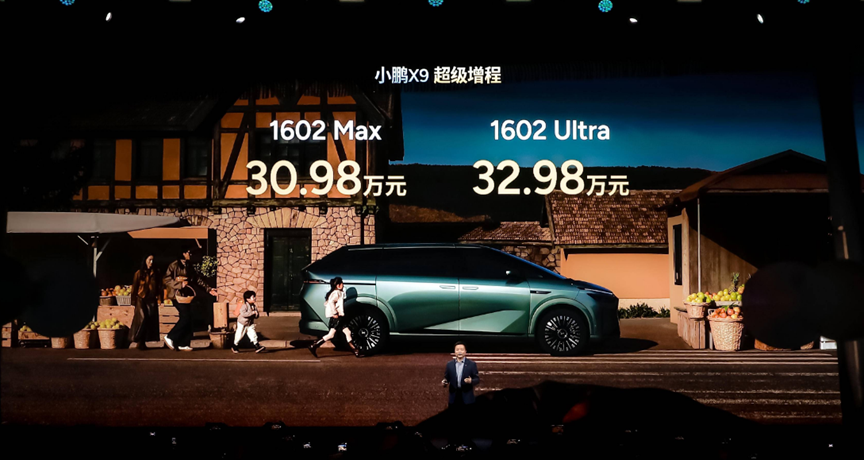
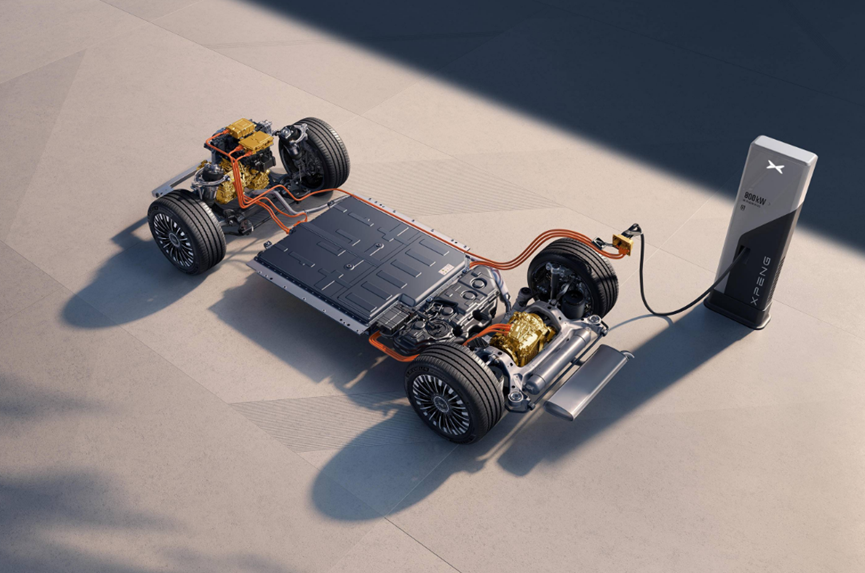
Xpeng brought the extended-range version of its X9, pairing a large battery with a large fuel tank. Geely Galaxy showed a mid-to-large MPV with its super AI extended-range technology. Chery presented its first extended-range mid-to-large hard-core SUV. BAIC Arcfox used a 5,300mm body and 3,200mm wheelbase to push into the luxury MPV market. New Huawei-linked brands such as Qijing and Yijing also brought extended-range plans.
The appeal is straightforward. Battery-electric vehicles are still the long-term centre of the industry, but charging infrastructure and energy-replenishment convenience have not advanced evenly across all markets. Extended-range systems offer electric driving for daily use while retaining fuel-backed flexibility for longer journeys.
The demand split is especially clear in China. Large coastal cities may support pure EVs more easily. Lower-tier cities and more dispersed markets often put greater value on range confidence and convenience. Extended range gives automakers a bridge between the EV transition and real-world infrastructure limits.
That does not make the route easy. Fuel consumption, engine thermal efficiency, noise and vibration control, battery size and software calibration will still separate strong products from weak ones. As more brands enter the field, differentiation will matter as much as participation.
Joint ventures try to behave like start-ups
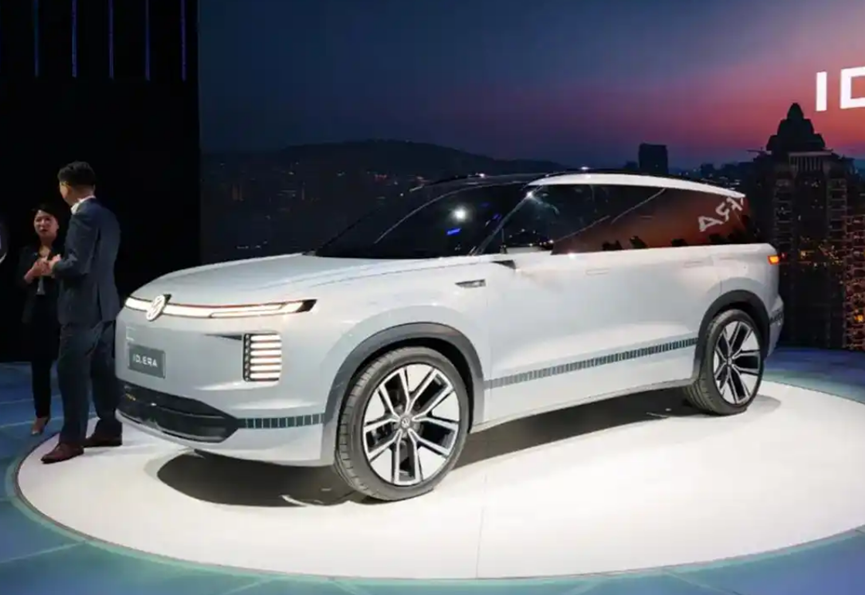
Foreign joint ventures, long accused of moving too slowly in China's EV transition, appeared more aggressive this time. SAIC Volkswagen unveiled the ID. ERA sequence and said it would launch products from 2026 covering battery-electric, hybrid and extended-range powertrains. Its first 9-series flagship extended-range SUV is expected to compete with models such as the Li Auto L9 and Aito M9.
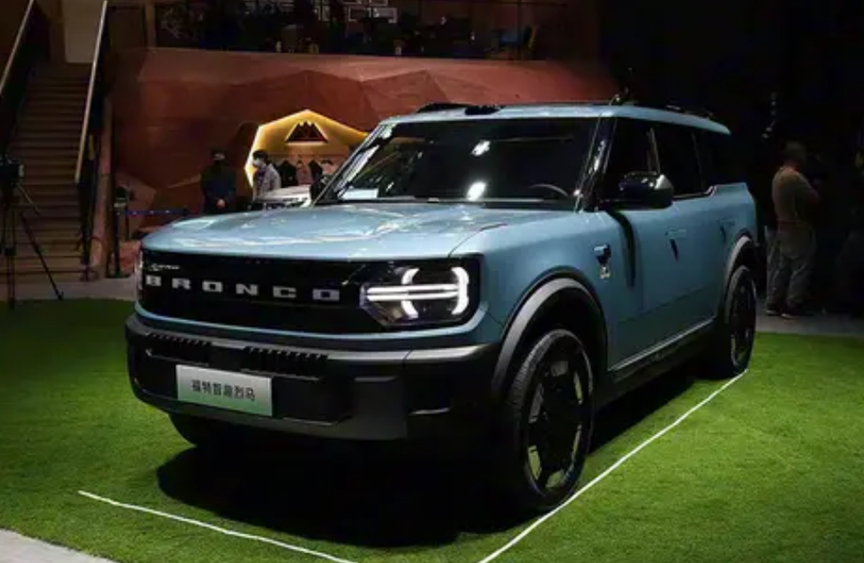
Ford showed a Bronco-inspired SUV with both extended-range and battery-electric versions. The extended-range model uses a 1.5-litre generator, offers 220km of pure-electric range and claims a combined range above 1,200km.
Joint-venture brands are also trying to add the kind of technology cues Chinese buyers now expect from domestic challengers. GAC Toyota presented the bZ7, a mid-to-large electric sedan led by its China R&D team and featuring Huawei motor technology and lidar. Ford's electric model included a 15.6-inch centre display, a 70-inch AR head-up display, a Qualcomm Snapdragon 8255 chip and lidar.
The urgency is easy to understand. In October, China's passenger-vehicle retail market reached 2.242 million units, according to the article. Domestic brands sold about 1.55 million vehicles, with new-energy vehicles accounting for 77.9 per cent. Mainstream joint ventures sold about 510,000 vehicles, with new-energy vehicles at only 7 per cent. Luxury brands sold about 190,000 vehicles, with new-energy vehicles at 22.2 per cent.
For joint ventures, extended-range technology offers a pragmatic route. Many still have deep engine expertise, and using that base may allow them to enter the new-energy market faster than fighting pure-EV leaders head-on.
Huawei becomes the common technology shortcut
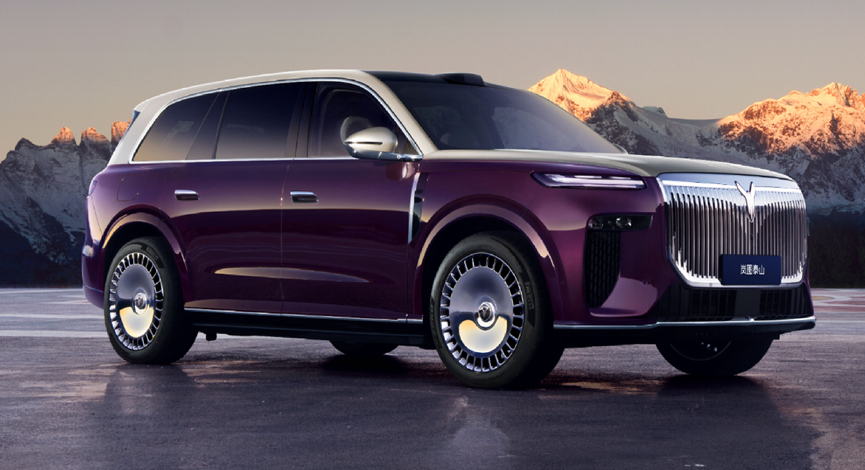
Huawei's automotive influence was visible across powertrains and brands. Voyah Taishan used four lidars and Huawei's ADS Ultra assisted-driving solution. Dongfeng Nissan showed a Teana version with HarmonySpace 5 and a Huawei display. FAW Audi's A5L Qiankun assisted-driving version was presented as the first fuel car globally with Huawei Qiankun technology. Qijing and Yijing, linked to GAC and Dongfeng cooperation with Huawei, deepened that pattern.
For automakers, the logic is direct. Huawei can provide software, assisted driving, cabin systems and consumer recognition more quickly than many brands can build those assets alone. In a market moving at high speed, the distinction between internal development and external supply can matter less than whether the product becomes competitive in time.
Huawei's Qiankun app points to a broader ambition. It is designed as a community and service platform for Qiankun users, with sections for interaction, exploration, ADS, showrooms, vehicle functions, shopping, remote control and digital keys. The goal appears to be a mobile-and-car ecosystem around Huawei-linked vehicles.
That could strengthen partners, but it also raises dependence risk. If sales become too closely tied to Huawei's brand and systems, carmakers may find it harder to build distinct identities. Huawei also faces its own challenge: unifying many partner brands without creating resource conflicts, inconsistent standards or product homogeneity.
A colder contest after the hype
The Guangzhou show suggested that China's auto market is entering a calmer but harder stage. Domestic brands are using extended-range systems to match real demand, joint ventures are trying to copy the speed and technology feel of local challengers, and Huawei is turning into the industry's most attractive shortcut.
None of those routes guarantees success. Extended range needs stronger execution, joint ventures need patience and courage, and Huawei's ecosystem can be both an advantage and a constraint.
The next contest will not be won by slogans about disruption. It will be decided by product planning, technology integration, cost discipline and the ability to keep evolving as buyers become more demanding.