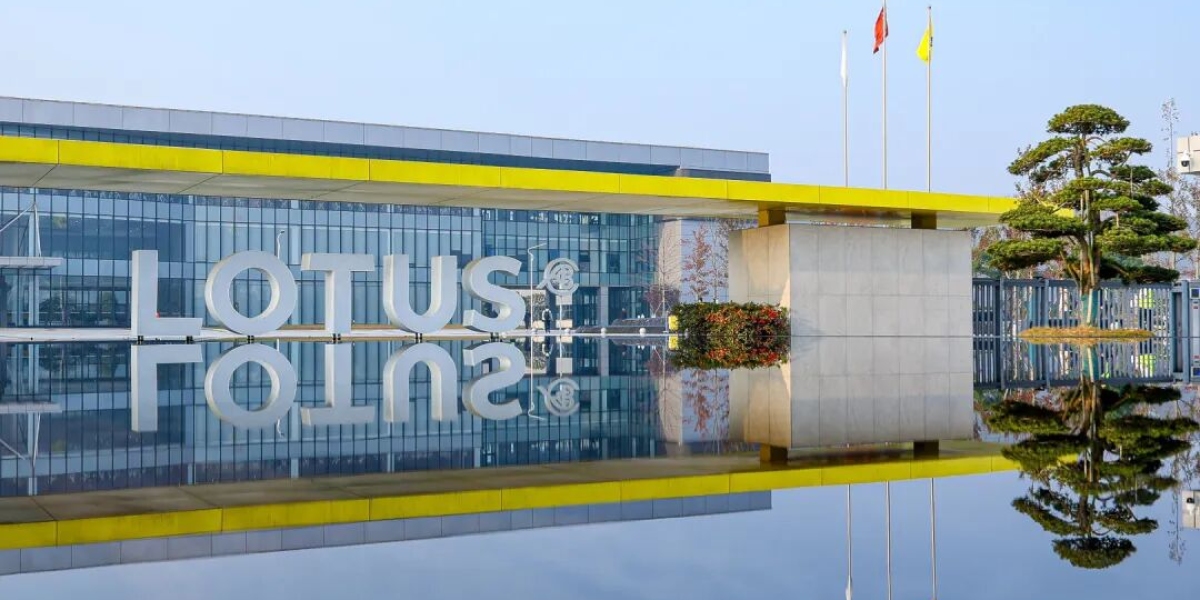
Large luxury SUVs have increasingly been defined by family and business use.
A gap in the luxury SUV market
Even at high price points, many brands emphasise three-row space, rear-seat comfort, large screens and intelligent cabins. Those features matter, but they often leave driving experience as a secondary concern.
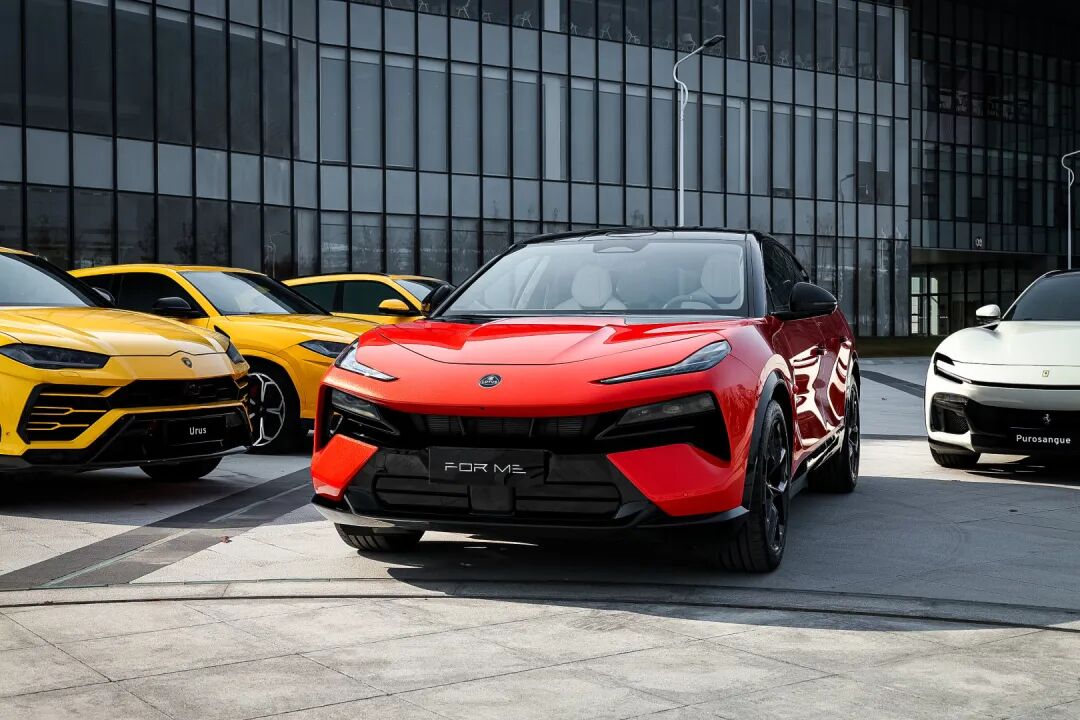
That creates a gap. Buyers who want extreme SUV performance often look to models such as the Ferrari Purosangue and Lamborghini Urus, but those sit in the roughly $423,000 range and beyond. Buyers around the roughly $141,000 level have had fewer choices that put driving enjoyment first.
Lotus For Me is positioned to address that gap. Rather than being a routine update to an existing line, the article presents it as a new plug-in hybrid super-driving SUV shaped by Lotus's 77 years of racing experience and newer digital control technology.
A new architecture, not a small update
The key claim is that Lotus For Me is not following the market's usual large-SUV formula. It uses what Lotus calls the Luyao golden dual-900 platform, designed to combine a high-power hybrid system with a high-voltage electrical architecture.
The design also tries to break away from conventional SUV styling. Lotus frames the model around personal driving pleasure, or a car "for me", aimed at users who already have family or business mobility covered and want something more focused on themselves.
The article argues that this is a response to a narrower but important buyer group: people who want a luxury SUV that does not treat driving as an afterthought.
Challenging the super-SUV benchmark
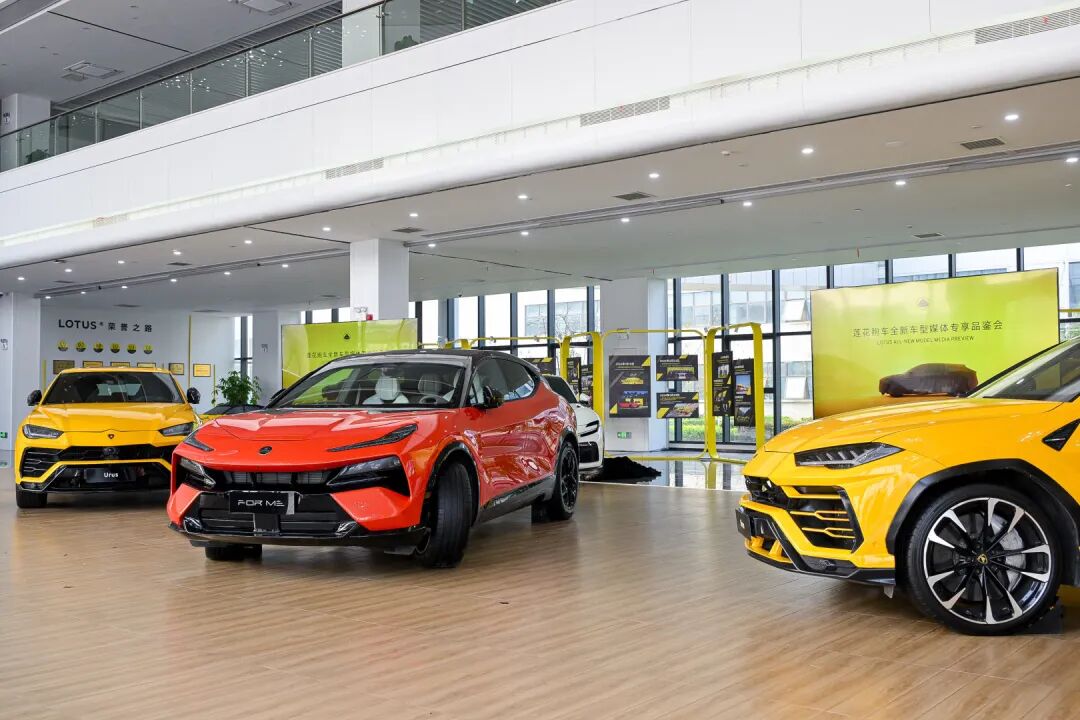
Lotus For Me is presented as a rival in spirit to the Ferrari Purosangue and Lamborghini Urus SE, but at a lower price band. Its stated output of 952 horsepower exceeds the Lamborghini V8's 800 horsepower and Ferrari V12's 725 horsepower, according to the article.
Its 900-volt platform is positioned well above the Urus SE's 400-volt system. Lotus also claims 420km of pure-electric range and eight-minute fast charging, which the article describes as far ahead of the Urus SE's plug-in hybrid capability.
The model also comes standard with equipment often associated with more expensive performance SUVs, including dual-chamber dual-valve air suspension, active anti-roll bars and other chassis hardware described as an F1-inspired control package.
Lotus says the For Me combines three global-first claims with three features rarely standard below about $141,000: active anti-roll bars, six-piston brake calipers and an aerodynamic package generating 120kg of net downforce. The broader message is that the car is trying to reset the value equation in the super-SUV segment.

The "eight no's" driving promise
Lotus Group chief executive Feng Qingfeng described the model around a set of principles referred to in the article as the new "eight no's". The idea is to address common pain points across driving scenarios rather than simply add headline performance figures.
The hybrid-dedicated engine is said to reach 46 per cent thermal efficiency, allowing city congestion to be handled in pure-electric mode with no fuel use. A 900-horsepower dual-motor system and a 150kW generator are intended to keep power delivery consistent even when battery charge is low.
The article claims 0-100kph acceleration drops by only 0.2 seconds in a low-charge state, directly targeting the common plug-in hybrid concern that performance fades once the battery is depleted.
Charging is another part of the promise. A true 900-volt platform and 6C fast charging are said to allow a 30 to 80 per cent charge in eight minutes, reducing the practical inconvenience of using a high-performance plug-in hybrid.
Driving control as the centre of luxury
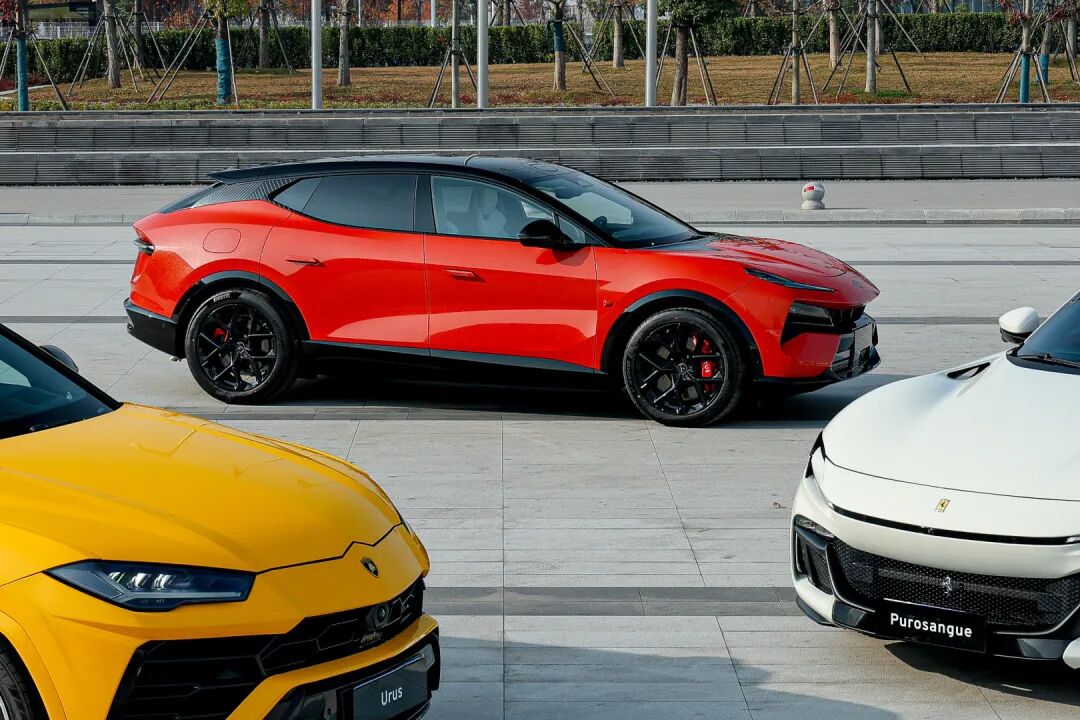
Lotus For Me's strongest identity is chassis and control. Many luxury SUVs can deliver comfort, but fewer can address high-speed lane-change body roll, brake fade or emergency stability with the same focus.
The model uses what Lotus calls the Xingyun super-stable chassis, combined with the F1-style control hardware and DPM, or Dynamic Performance Management. Lotus says this system writes its racing experience into a digital control algorithm to support stability during emergency avoidance.
The article also describes near-zero roll during 140kph lane changes, improved braking fade resistance and specially matched Lotus LTS high-performance tyres for wet and snowy conditions. These claims all support the same positioning: an SUV that treats control and confidence as the core of luxury.
Whether Lotus For Me can win buyers will depend on pricing, reliability, brand reach and real-world validation. Yet its strategic point is clear. In a market where many large SUVs are converging around family comfort and business use, Lotus is trying to revive the idea that a luxury SUV can still be built primarily for the driver.