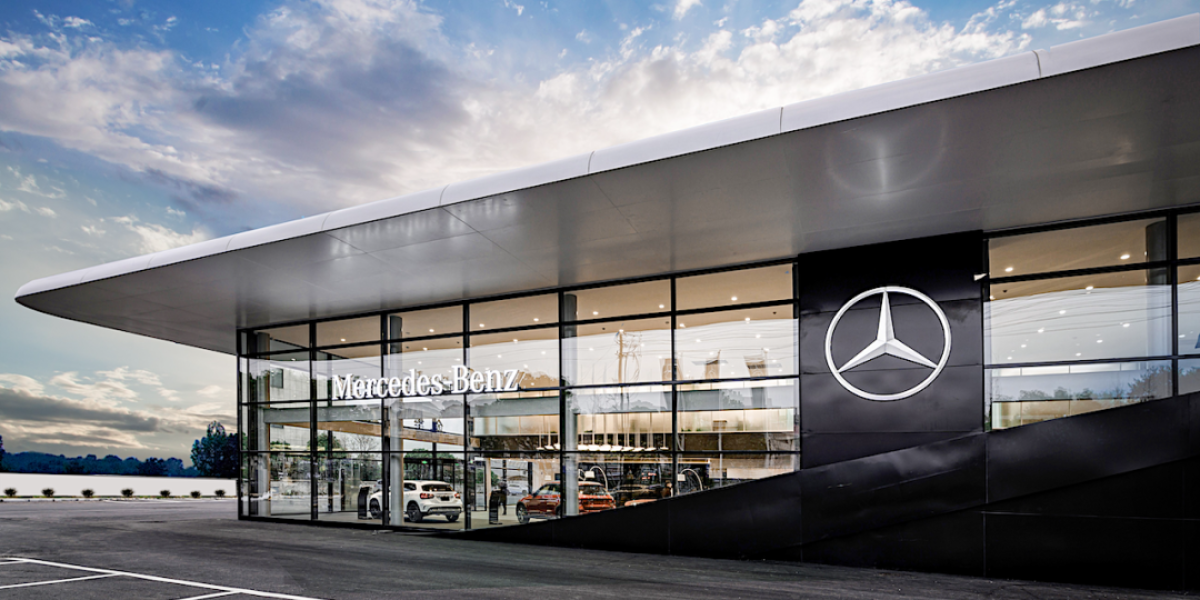
Mercedes-Benz is facing a public dealer dispute in China that points to a deeper problem than a temporary sales slowdown.
A channel crisis breaks into the open
High inventory, prices falling below dealer purchase costs and weaker electric-vehicle momentum have pushed tensions between the brand and its retail network into the open.
The dispute became visible after the China Automobile Dealers Chamber of Commerce under the All-China Federation of Industry and Commerce issued a public notice about the operating difficulties faced by multiple Mercedes dealers. The notice suggested that a relationship once built on premium margins and stable demand had become far more fragile.
Mercedes then announced official price cuts on key models, with reductions of up to about $10,000. The timing, just before the 2026 Lunar New Year holiday, made the move look less like a planned marketing adjustment and more like an attempt to relieve pressure inside the dealer network.
From easy margins to selling at a loss
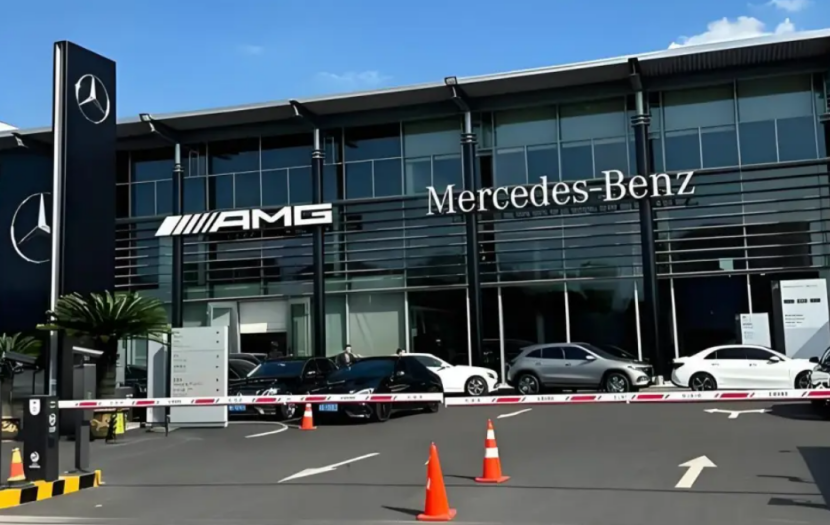
The dealer environment for luxury brands in China has changed sharply in five years. Before 2019, premium-brand dealers in China generally enjoyed healthier margins. By 2025, many were struggling to survive in a market reshaped by electrification, direct sales and intense price competition.
According to disclosures cited in the article, more than half of Mercedes dealers were facing price inversion, meaning they bought cars from the manufacturer at prices above what they could obtain from end customers. That is a dangerous position for any retailer, especially one carrying expensive inventory and fixed costs.
Inventory is the other pressure point. Data from the China Automobile Dealers Association showed the overall dealer inventory coefficient reaching 1.31 in December 2025, close to the warning level of 1.5. Mercedes dealers complained publicly about excessive inventory, suggesting the brand's pipeline was out of step with demand.
For smaller dealers, inventory ties up cash that might otherwise cover salaries, rent and loan interest. Even larger groups cannot remain comfortable if capital is trapped in unsold cars for too long. Manufacturer rebates may help, but long settlement cycles do little to solve near-term cash pressure.
Falling behind in China
The dealer crisis is closely linked to Mercedes' weaker market performance. In 2025, Mercedes delivered 551,900 vehicles in China, down 19 per cent year on year and marking a second consecutive year of double-digit decline. Its fall was the steepest among the German premium trio, according to the article.
The company's global battery-electric vehicle sales reached 168,800 units in 2025, down 9 per cent from 2024. In China, where new-energy vehicles have become close to half of the market, that slower electric transition has left Mercedes more dependent on combustion vehicles at a time when the fuel-car base is shrinking.
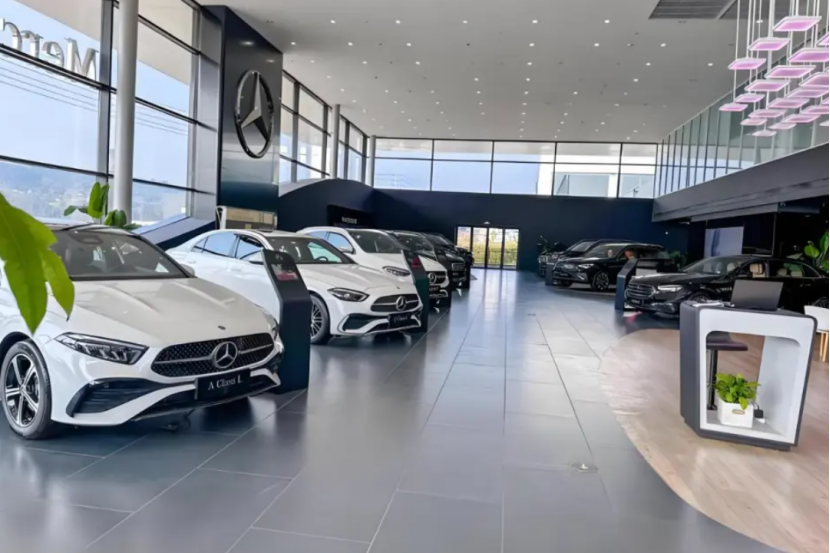
The problem is not simply that Chinese consumers no longer value Mercedes. It is that younger and more pragmatic buyers are less willing to pay a large premium for badge value alone. They compare software, driver assistance, energy efficiency, cabin technology, price transparency and service experience.
For dealers, the effect is direct. If Mercedes' electric models fail to draw buyers and fuel models require heavy discounts to move, the retail network carries the financial strain. Pushing inventory into dealers to support headline sales can protect short-term figures, but it risks damaging cash flow, residual values and brand perception.
Official cuts offer relief, not a cure
On February 1, Mercedes cut official prices for the C-Class, GLB and GLC, three core volume models. The highest reduction reached about 10 per cent. The move gave dealers more room to sell cars without taking as deep a loss, and it may help stabilise the network in the short term.
Yet a price adjustment does not solve the structural issue. Traditional dealer models are under pressure from the direct-sales systems used by many Chinese EV start-ups, where prices are more transparent and the customer experience is controlled more tightly by the brand.
Some legacy carmakers are experimenting with agency models, in which dealers carry less inventory risk and focus on test drives, delivery and after-sales service while being paid for services. That can reduce dealer exposure, though it may also limit profit upside.
Large dealer groups are also diversifying away from single-brand dependence by adding more brands, expanding used-car operations and building finance and insurance services. Digital customer acquisition, data-driven marketing and smarter inventory systems are becoming necessary tools rather than optional upgrades.
A test of Mercedes' China reset
The intervention by the dealer chamber may prove important beyond Mercedes. Dealers have often been weak in negotiations with manufacturers, absorbing pressure from sales targets and inventory requirements. A more organised response could push brands to adjust targets, rebate policies and short-term financial support.
For Mercedes, the immediate task is to restore confidence in the network. The bigger task is to decide how a legacy luxury brand should sell cars in a Chinese market led increasingly by EV speed, software and direct customer relationships.
If the channel dispute is not resolved, dealer confidence could weaken further and some partners may reduce their exposure to Mercedes. That would make it harder for the brand to defend its China position at the very moment when premium competition is becoming more intense.
The crisis is a warning that old advantages are losing force. Mercedes still has one of the world's strongest luxury badges, but in China it must rethink the balance between brand image, dealer economics and the expectations of a new generation of car buyers.