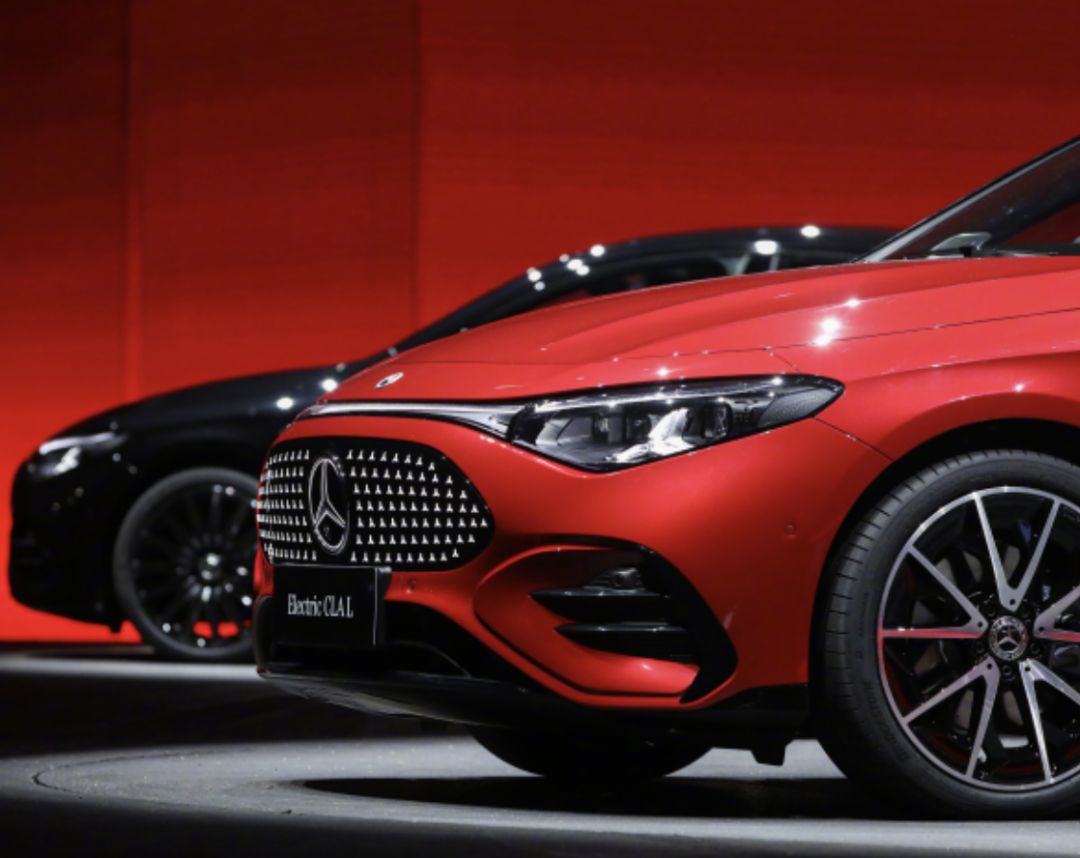
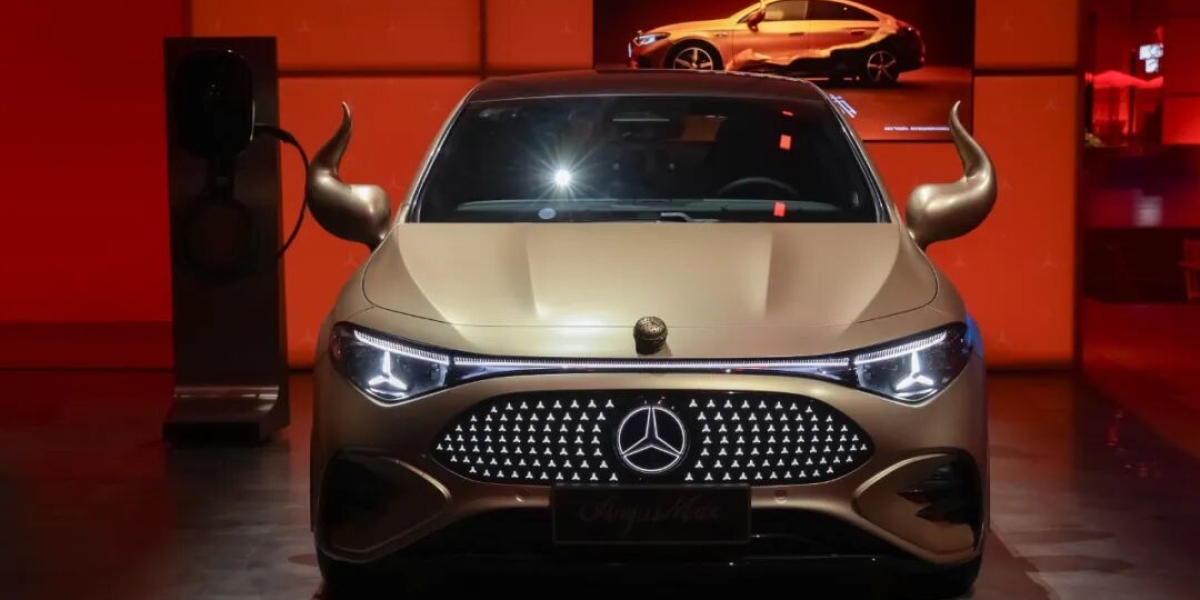
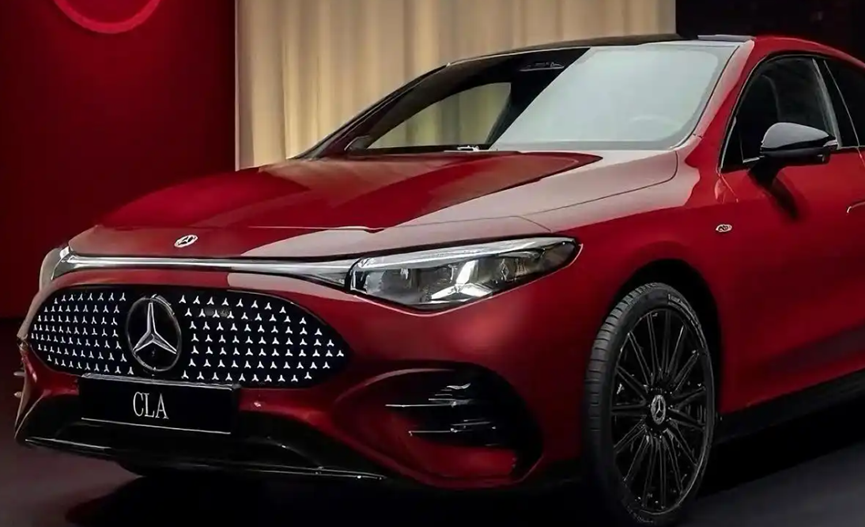
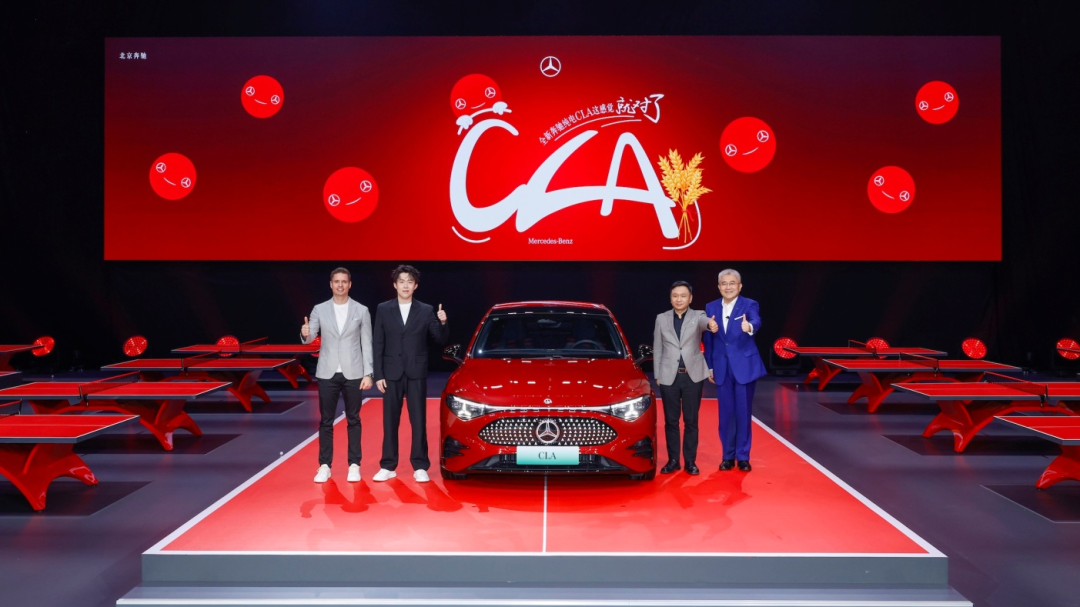
Mercedes-Benz has launched the electric CLA in China with a starting price of about $35,000 and a top listed price of about $42,000, a far more accessible position than many buyers expected from the German luxury brand.
A more accessible Mercedes EV
The pricing gives Mercedes a clearer entry point into one of the world's hardest-fought EV markets. It also reflects the difficult position the company faces: it needs to defend luxury-brand value while making its electric cars competitive against Chinese models that offer more technology for similar money.
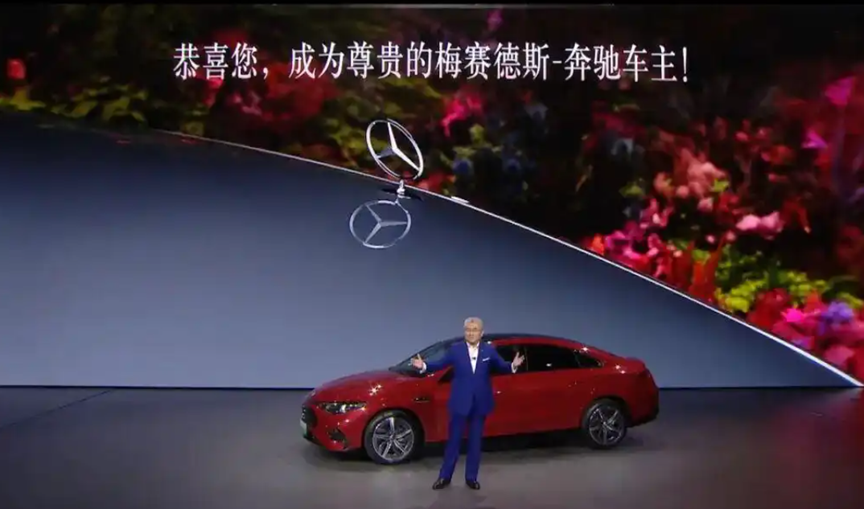
Mercedes sales chief Duan Jianjun joked at the launch that the company has many electric cars and may look a little complicated, but it is not a "miscellaneous" EV maker. The humour carried a serious point. Mercedes has a broad EV portfolio, yet it has struggled to build a strong electric identity in China.
In 2024, Mercedes' electric-vehicle sales fell 31 per cent year on year, while the EQ series was at times selling only around 1,000 units a month. For a century-old luxury marque, that is a weak position in a market increasingly defined by EVs and software.
Why Mercedes needs a reset
Mercedes announced the EQ sub-brand in 2016 and once spoke of going fully electric by 2030. Years later, its transition still looks uneven. In 2024, the company sold 2.4 million vehicles globally, but only 300,000 were electric, equal to 12.5 per cent.
The pressure is now structural. The European Union has set a 2035 deadline to end sales of new combustion cars, emissions rules are tightening, and China's new-energy penetration continues to rise. Mercedes cannot step away from electrification without risking access and relevance in its most important markets.
China is especially unforgiving. Tesla and BYD have built technology and cost advantages, while brands such as Nio and Li Auto have redefined premium buying around space, service and software. Mercedes' old advantages in engine reputation and brand prestige do not transfer automatically to an electric market.
The CLA's lower price is therefore a necessary move. At about $35,000, it sits close to the Tesla Model 3's lower end in China and below some German rivals after recent discounts. As an opening statement, the price has force.
The price looks better than the package
The problem is that China's EV market has moved beyond single-point advantages. A sharp starting price can draw attention, but buyers now examine configuration, software and ownership cost closely.
The entry-level electric CLA does not include city NOA or a passenger entertainment screen. Buyers who want the fuller experience must move to a higher trim, which adds roughly $6,000. Once insurance, service fees and dealer-installed items are included, the entry car's real transaction cost can approach about $39,000, according to calculations cited in the article.
The technical figures look stronger on paper. The CLA offers an 800V high-voltage platform, a claimed 370km of charging in 10 minutes and a maximum CLTC range of 866km. Those are competitive numbers, but the 800V advantage depends on ultra-fast charging infrastructure. Coverage of 800V charging in China remains limited, making the headline fast-charge experience hard to achieve consistently.
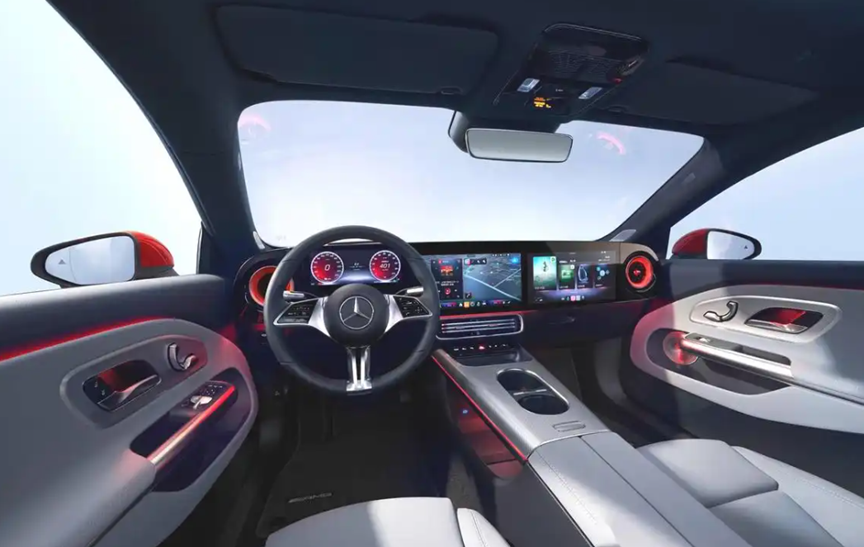
Mercedes has also tried to localise the smart cabin. The voice assistant uses ByteDance's Doubao AI model and responds quickly, but its practical functions still appear close to basic commands such as climate control and navigation. The AI label risks sounding stronger than the actual experience.
The assisted-driving system, developed with Momenta, is a more serious step. The car has 27 sensing components and supports highway and urban NOA functions on higher trims. Yet lane changes still require driver confirmation and complex intersections remain conservative. Compared with leading Chinese EV start-ups, Mercedes still looks cautious in software execution.
A luxury brand caught between price and pride
The electric CLA exposes Mercedes' internal tension in China. The company needs a lower price to attract buyers who are comparing it with Tesla, Xiaomi, Zeekr and BYD. It also wants to preserve luxury-brand margin and hierarchy through options and trim separation.
That compromise may make commercial sense, but it weakens the product message. Chinese EV buyers increasingly expect a high level of equipment at the advertised price. A low entry price that quickly rises with key features can feel less generous than it first appears.
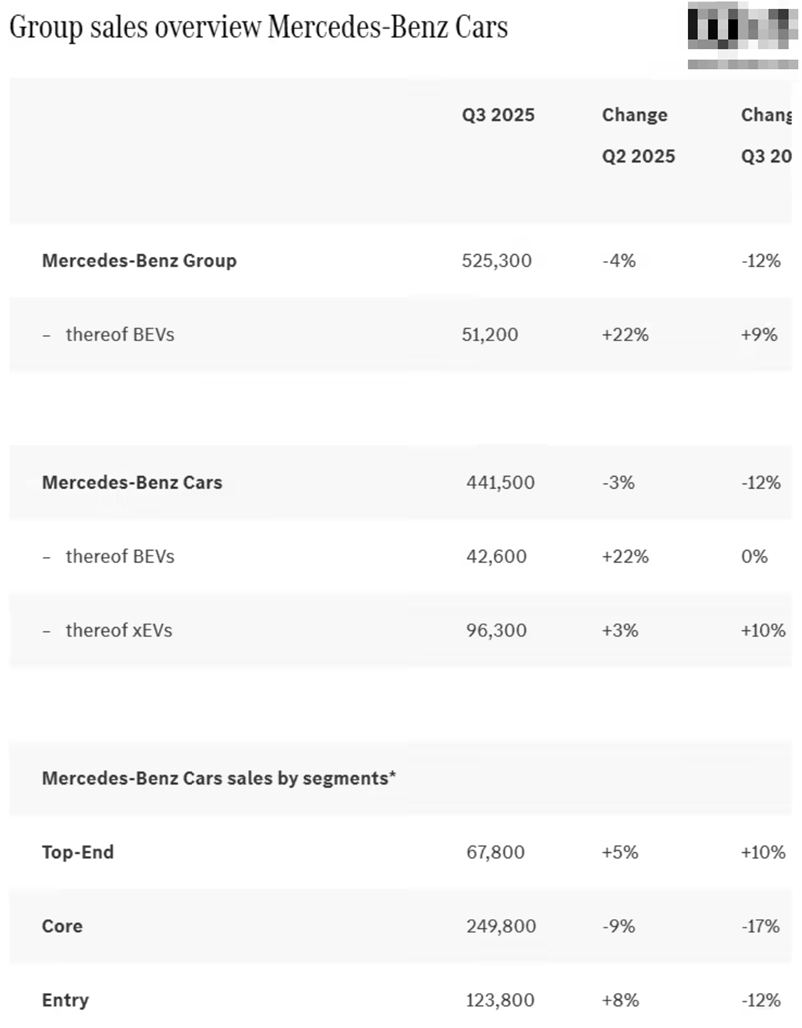
Mercedes has made progress. Supported by initial CLA deliveries and improved eVan supply, battery-electric sales rose 22 per cent from the previous quarter, plug-in hybrids rose 20 per cent and overall new-energy sales reached 96,300 units, up 10 per cent.
The issue is that China has already moved from the first phase of electrification to a second phase defined by intelligence. In September, among new-energy sedans above about $42,000, Harmony Intelligent Mobility's Stelato models took two spots and sold more combined units than the German luxury trio, while Mercedes EQE ranked tenth with only 118 units.
Chinese rivals set a harsher benchmark
The Xiaomi SU7 shows the scale of the challenge. It offers up to 800km of range, lidar, a Qualcomm 8295 chip, an 18.6-inch centre screen and strong space and performance, with a starting price of about $33,000.
The same price band is crowded with Chinese products such as BYD Han EV, Zeekr 001 and Xiaomi SU7. Many offer generous equipment between roughly $28,000 and $42,000, along with technologies such as cell-to-body battery integration and advanced 800V architectures.
For many Chinese consumers, the old luxury hierarchy is losing force. They are less willing to pay mainly for a badge if the car feels behind on software, driver assistance and cabin technology. The value equation has changed from brand worship to technology access.
That does not mean Mercedes has no future in electric cars. Its brand, design, ride quality and dealer network still matter. But the company may need to focus more carefully on higher-end segments where traditional luxury strengths remain stronger, while accelerating local software and assisted-driving development.
A start, not a rescue
The electric CLA is a better move for Mercedes than many of its earlier EV efforts in China. It brings a more realistic price and a clearer attempt to speak to local buyers.
It is still unlikely to rescue Mercedes' electric strategy on its own. The product earns attention, but not yet unquestioned competitiveness against China's strongest EVs.
Mercedes does not need a relaxed posture in China as much as it needs sharper honesty about its weaknesses. The CLA can be a starting point, but breaking the electrification deadlock will require deeper localisation, stronger software and a clearer decision about what luxury means when the benchmark is no longer a combustion engine.