
China's March 15 consumer-rights season often strips away brand gloss. For Mercedes-Benz, the pressure is especially sensitive.
A Premium Badge Meets Consumer-Rights Pressure
The German luxury group built deep trust in China through petrol-era engineering and service prestige, but complaints around its EQ electric range are testing whether that reputation can carry into the EV era.
Platforms such as Chezhiwang have recorded owner complaints involving Mercedes EQ models, from power-system faults to service disputes. The pattern raises a larger question: can the EQ line extend Mercedes' luxury heritage, or is it becoming a burden during the company's electric transition?
Three-Electric-System Complaints
For an EV, the battery, motor and electric-control system form the core of safety and reliability. Mercedes should have a strong engineering base, yet feedback from some EQ owners suggests persistent practical problems.
The EQC, Mercedes' first pure-electric model, has faced motor-related complaints since launch. In 2021 and 2022, hundreds of EQC owners joined collective rights-protection efforts, involving far more vehicles than the number of named participants. Mercedes acknowledged manufacturing deviations in drive modules, according to the original report, but many owners argued that the solution did not address deeper design concerns.
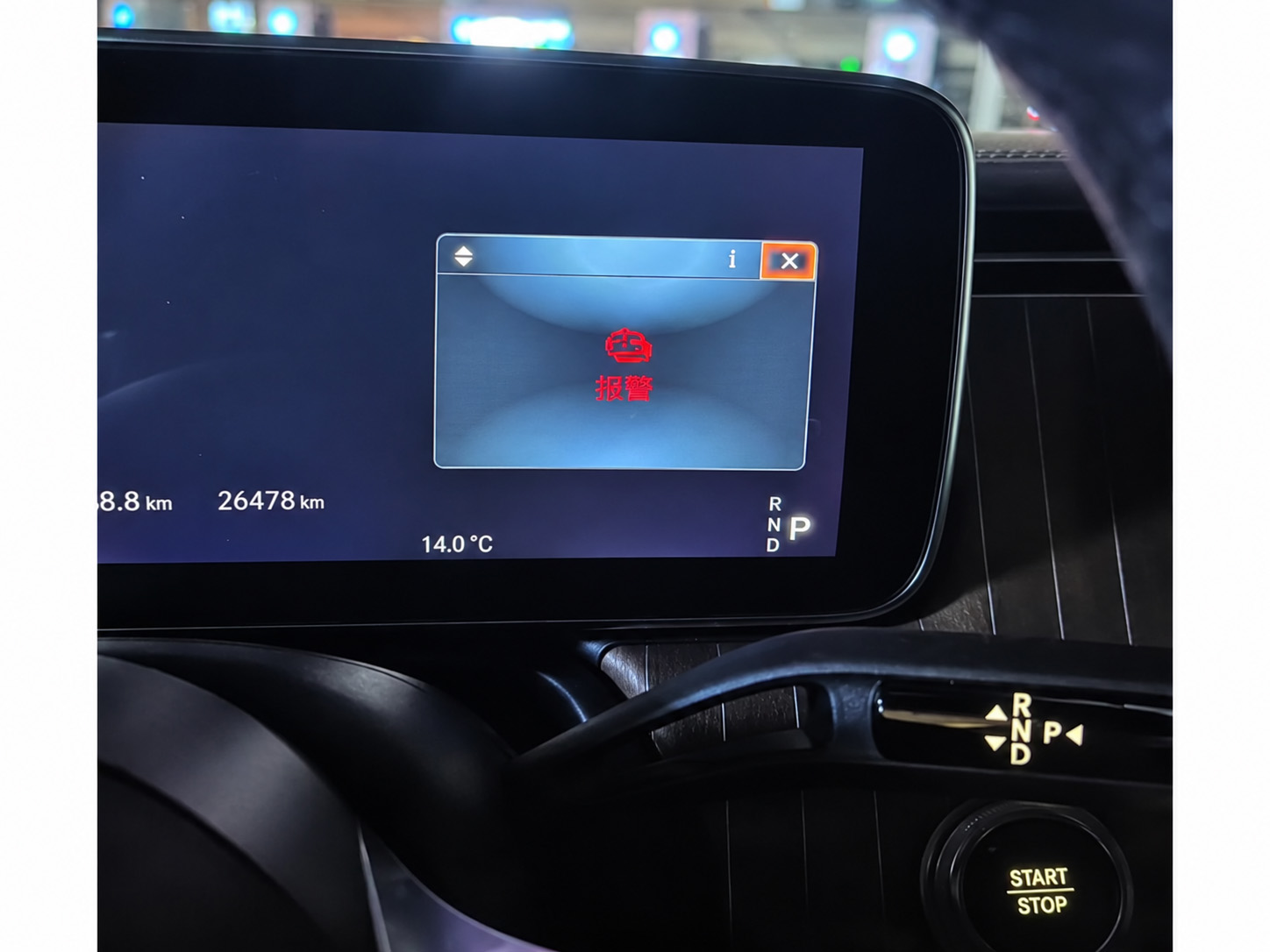
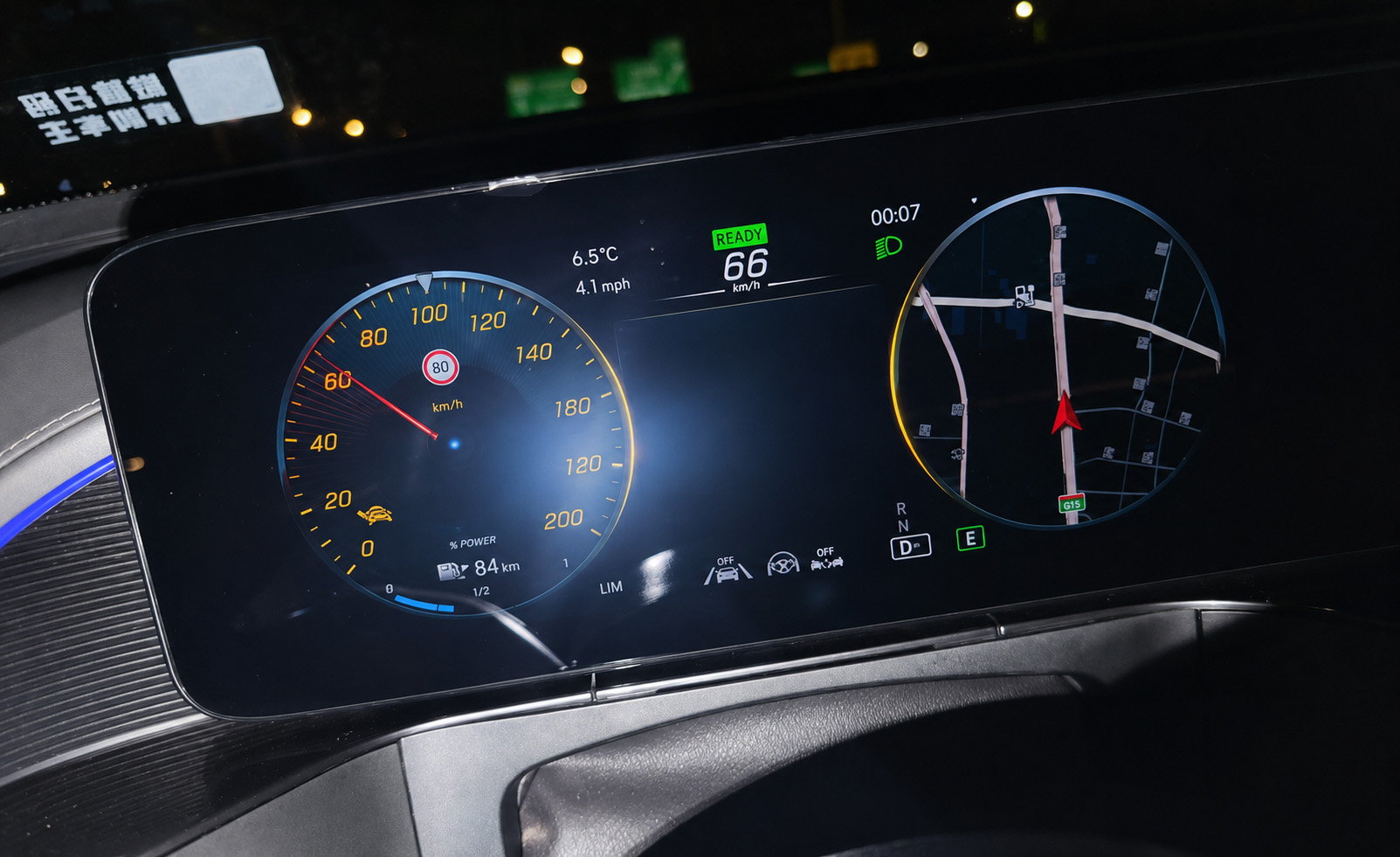
Complaints continue to appear. One EQC owner said on Chezhiwang that a power-battery fault caused the vehicle to lose power while driving. The owner reported repeated "turtle mode" warnings indicating restricted drive performance. After several dealer visits failed to identify the fault, the vehicle's drive system allegedly shut down during normal driving, nearly causing an accident. A later inspection identified the battery system as the source, according to the complaint.
The same owner then questioned the replacement battery. The label on the new battery showed a validity date of November 14, 2026, while a thinner label appeared to reveal an older underlying label with a date of November 14, 2025.
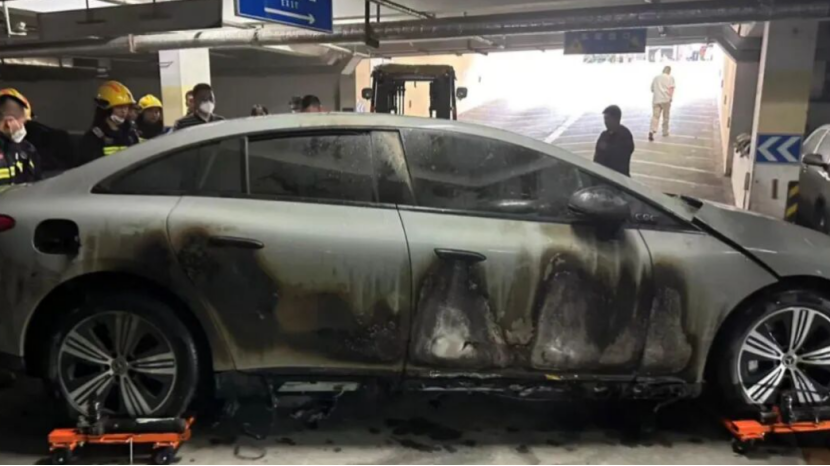
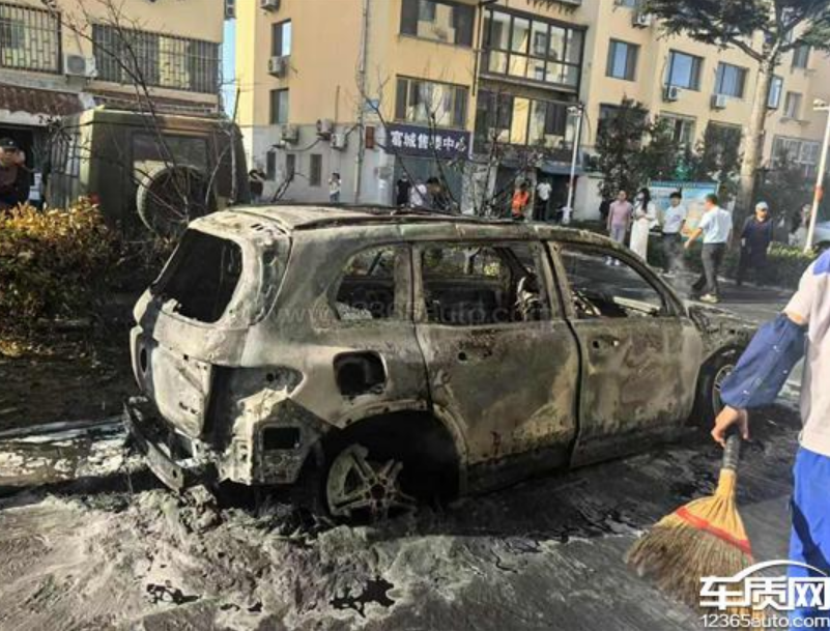
Another reported case involved a Mercedes electric vehicle in Jiaxing that caught fire after charging had ended, damaging two other cars in an underground garage. Local reporting said the vehicle had been in scheduled-charging mode and the plug had not been removed. The owner said the manufacturer initially denied a quality problem and blamed an external impact to the battery. After the dealer found no damage to the battery underside, the owner said that explanation was dropped.
The compensation dispute also became part of the complaint. The vehicle was insured for about $43,000, while the manufacturer reportedly offered about $21,000. After the owner rejected the proposal, the matter remained unresolved, according to the article.
Entry EQ models such as the EQA and EQB have also drawn complaints involving range reduction, battery faults, abnormal noises and fire concerns. One EQB owner complained on Chezhiwang that the parked vehicle self-ignited and asked for faster handling, while also criticising Mercedes' service attitude.
Higher-end EQE and EQS owners have not been immune. One EQE owner reported two motor failures within a short period and said they were asked to pay for a long-distance trip to collect the vehicle despite unresolved safety concerns. One EQS owner reported door failures that trapped occupants, sudden air-suspension failure and repeated unresolved navigation problems.
These cases are complaints rather than formal findings. Taken together, they still point to the same challenge: Mercedes' EV quality control and customer-response systems are being judged by standards as high as its luxury pricing.
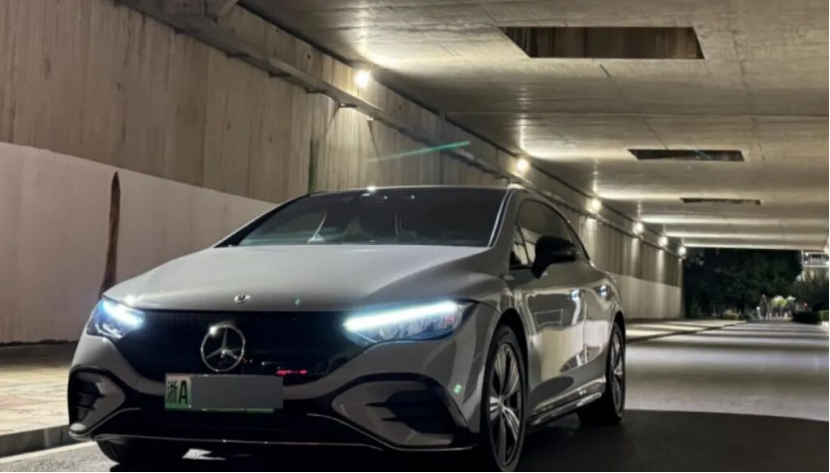
The Battery-Locking Dispute
Beyond visible product failures, many EQC owners have complained about battery locking after recall-related software updates.
In 2025, Mercedes launched an official EQC recall over a high-voltage battery thermal-runaway risk and asked owners to visit dealers for a battery-management-system update. Such a recall should have been a responsible corrective measure. After the update, some owners said their vehicles' usable battery capacity and range were reduced.
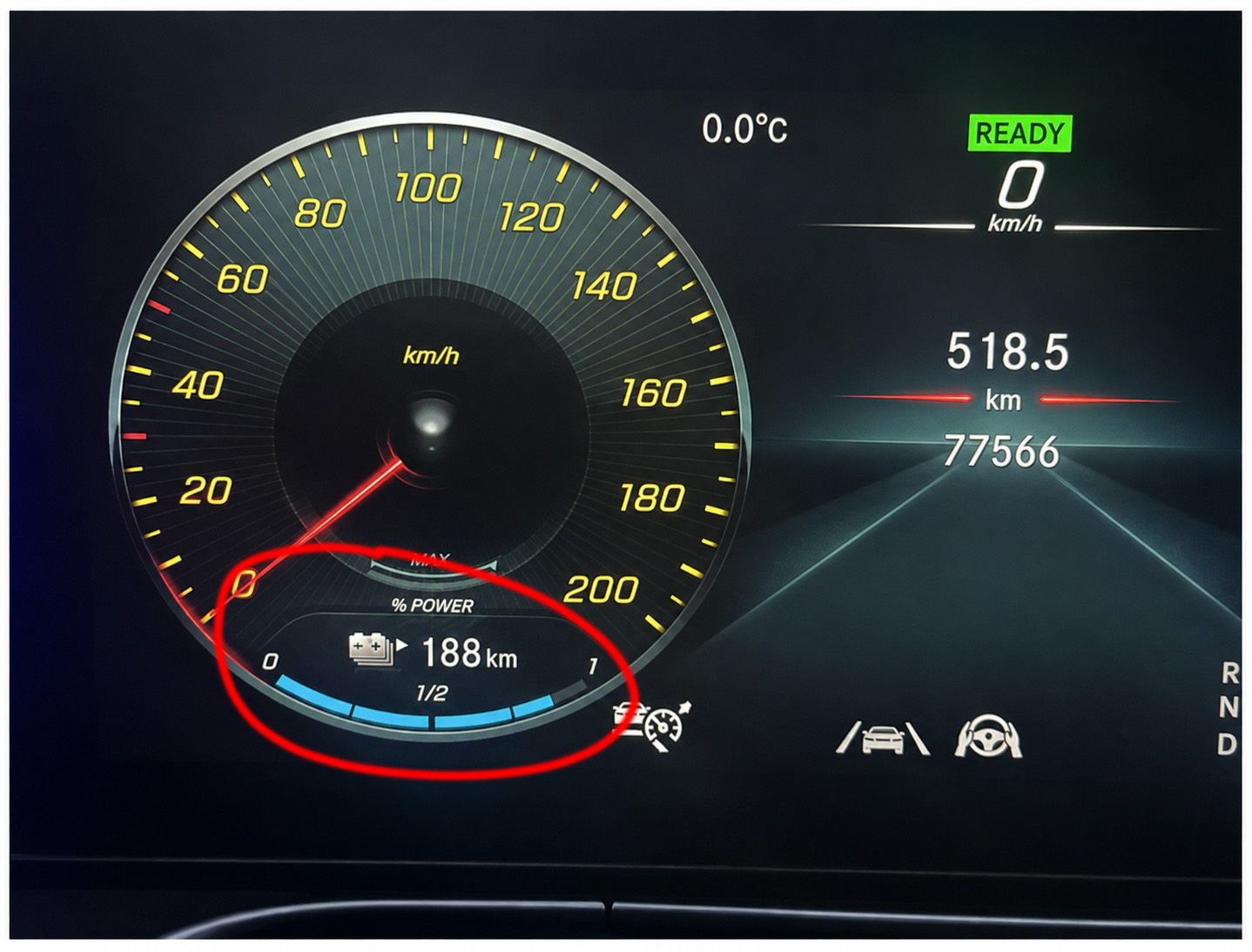
One owner said the EQC's pure-electric power output fell sharply and range dropped by about 100km after the update. Another EQC400 owner complained that the vehicle had originally been advertised with a 415km range and could previously drive around 400km in real use. After the recall upgrade, range reportedly fell to just over 300km, or a little above 200km with air-conditioning.
Owners argue that they accepted a safety update but received a materially different vehicle. Mercedes offered no explanation they found satisfactory, according to the complaints. That is why many describe the issue as a form of hidden infringement: the customer pays for luxury, service and confidence, but later feels forced to accept reduced capability.
Where the EQ Strategy Went Wrong
Mercedes remains powerful in combustion luxury vehicles, but long-term growth requires a credible electric portfolio. The EQ range has not yet delivered the confidence the brand needs in China.
The complaints suggest more than isolated product flaws. They point to tension across strategy, product development, service culture and market understanding.
Mercedes had to move into electrification quickly as rivals accelerated. The risk is that speed encouraged products based too heavily on petrol-era thinking: adapted platforms, hardware addition and insufficient depth in three-electric systems and software calibration. Chinese consumers, whose expectations have been raised by domestic EV makers, are less forgiving of premium products that feel behind in intelligence, reliability or usability.
Service is the other weakness. Owners complaining about power loss, fires, battery locking or unresolved repairs expect a luxury brand to respond with transparency and responsibility. In the EV market, brand prestige is not protection. If trust fades, even Mercedes faces pressure.
Quality control at the production end and accountability at the after-sales end both need attention. Premium pricing gives Mercedes a higher obligation, not a lower one.
A Brand-Trust Test
The purpose of consumer-rights scrutiny is not to attack one company or one product. It is to force businesses to respect safety, transparency and consumer trust.
Mercedes' century-old reputation was hard won, and many consumers still expect the brand to carry that strength into electrification. The EQ complaints show that the transition cannot rely on history alone.
For Mercedes, the next step is clear: face the complaints directly, improve product reliability, communicate honestly about software and battery changes, and make service match the luxury badge. In China's EV market, trust has to be earned again.