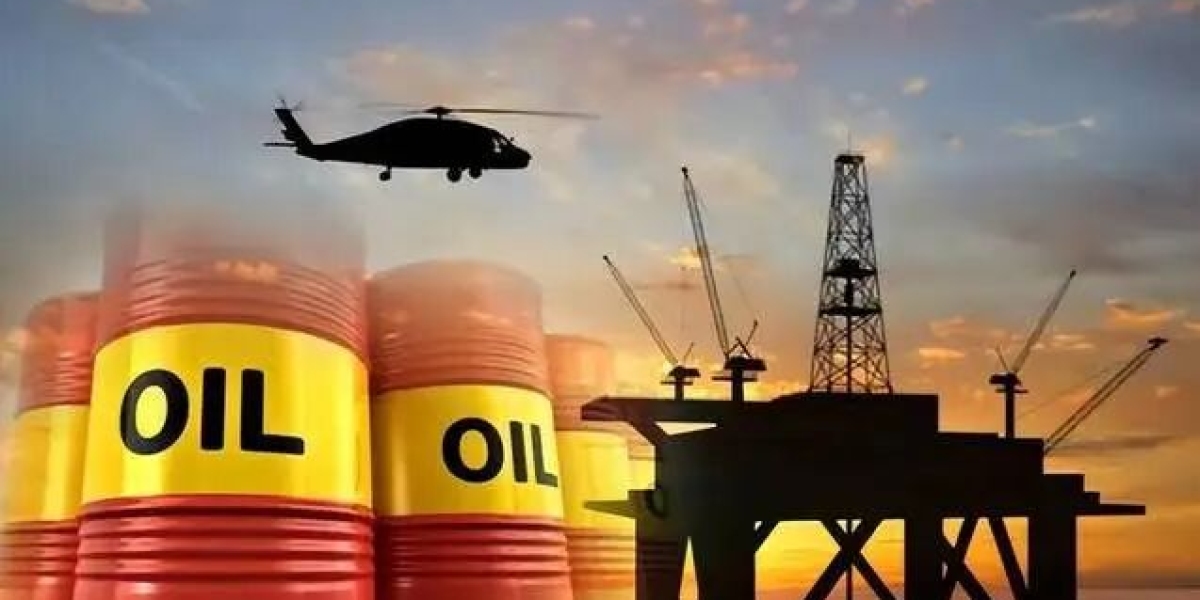
At the end of February, conflict in the Middle East escalated sharply, with the Strait of Hormuz reportedly closed to commercial shipping.
An Energy Route Under Stress
The route carries about one-fifth of global oil and energy supply and nearly half of China's crude imports, making any disruption a direct threat to energy costs and market confidence.
On Monday, March 2, Brent crude futures in London rose to $82.37 a barrel, with intraday gains of more than 13%. Traders and analysts began discussing the possibility of oil returning above $100 a barrel.
For Chinese drivers, the next domestic refined-fuel pricing window was scheduled for March 9 at midnight. The crude-change rate had already reached 3.16%, with an expected fuel-price increase of about two US cents per litre for petrol and diesel. Further international oil gains would put more pressure on domestic prices.
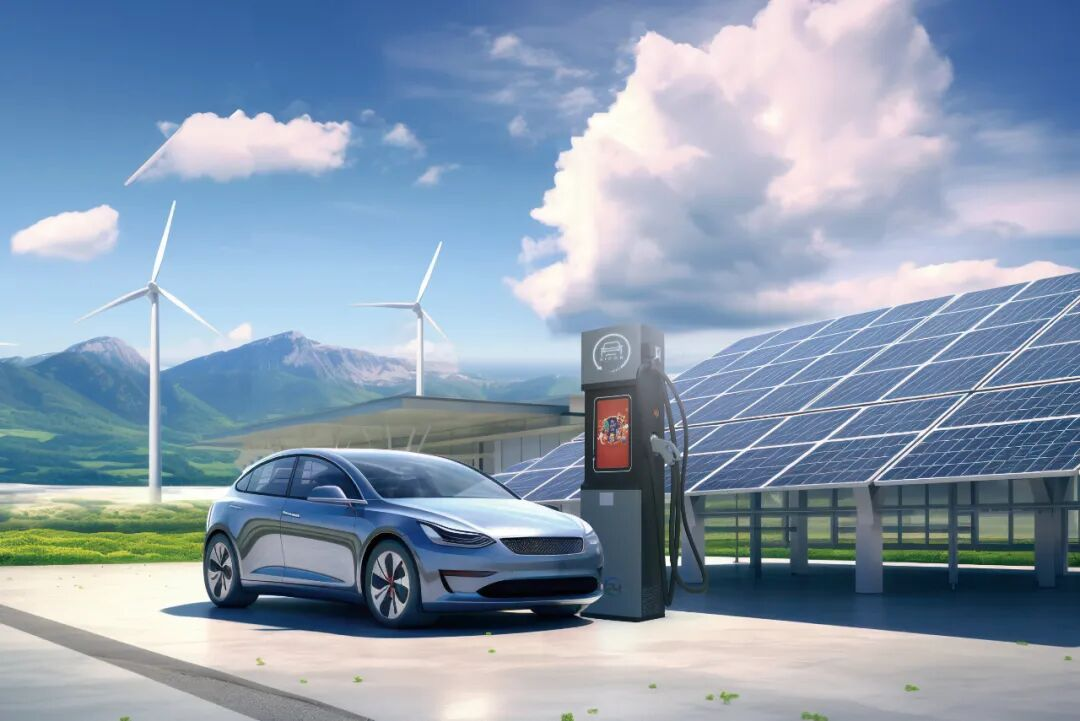
China's new-energy vehicle penetration exceeded 50% in 2025. The question now is whether a fresh oil shock becomes another blow to petrol cars, or whether it also becomes a stress test for the new-energy supply chain.
Petrol Cars Face Cost Anxiety
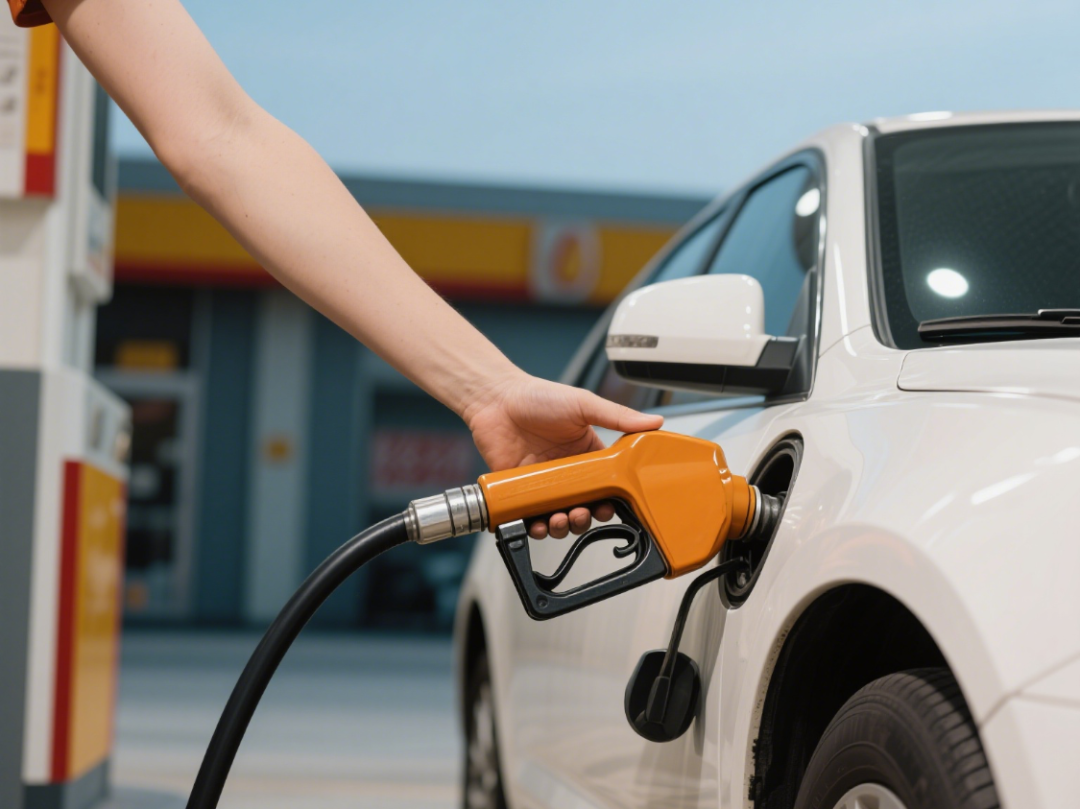
Despite the growth of EVs, China still has a huge petrol-vehicle base. China Association of Automobile Manufacturers data show that traditional petrol-vehicle sales reached 13.427 million units in 2025, down 4% year on year but still a large market.
Every oil-price move affects millions of owners and potential buyers. For an ordinary household car driven 10,000km a year with fuel consumption of 8 litres per 100km, the expected increase in this pricing round would add only about $10 to $12 in annual fuel spending. That sounds modest. For ride-hailing drivers and freight operators, the impact multiplies quickly.
The China Passenger Car Association has previously estimated that every 10% rise in oil prices could reduce domestic petrol-vehicle sales by 3 to 5 percentage points month on month.
Higher refuelling costs make consumers more cautious when entering a showroom. Yet it would be too simple to say high oil prices will kill petrol cars. Petrol vehicles still have three strong moats in China.
The first is refuelling convenience. China's network of more than 110,000 filling stations remains a powerful advantage. In remote villages or on highways, a petrol car can usually be refuelled in minutes. For long-distance drivers and users in regions with weak charging infrastructure, that remains compelling.
The second is reliability and stability. Combustion vehicles have more than a century of development behind them. They are mature, widely serviced and more predictable in cold conditions. In rural markets, construction sites, mines and off-road communities, petrol vehicles still dominate.
The third is installed demand. Older buyers in lower-tier markets and operating-vehicle buyers often prioritise durability, simplicity and resale value. For them, petrol vehicles remain familiar and low-risk.
The Hidden Pressure on New Energy
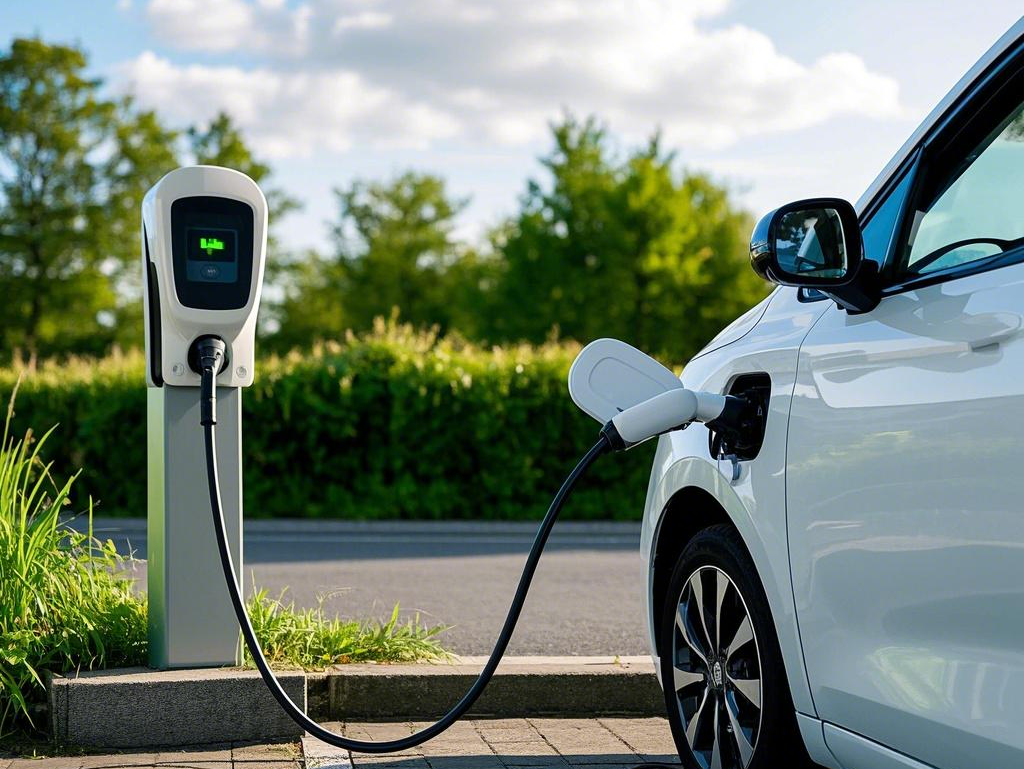
Higher oil prices should, in theory, help EVs. Electric vehicles look more economical when petrol becomes expensive, especially for commuters and ride-hailing drivers.
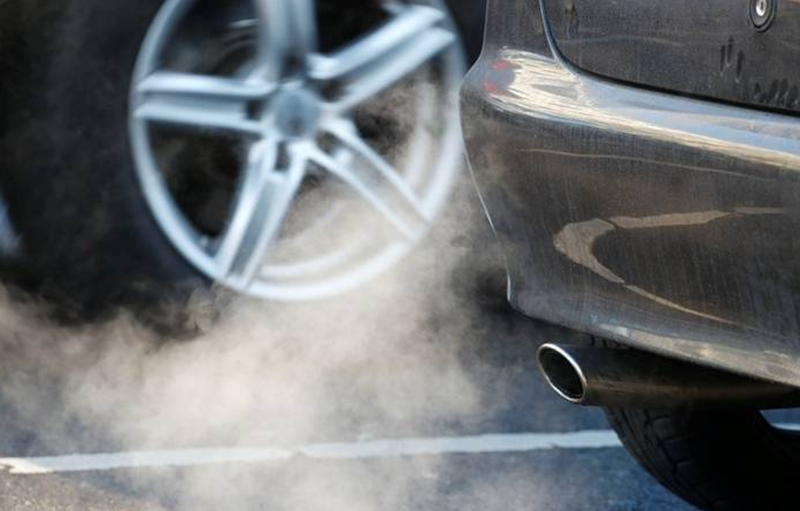
The complication is that the same geopolitical shock can raise new-energy costs. Logistics and exports are the first pressure point. The Hormuz and Red Sea routes are important for Chinese lithium-battery exports to Europe and the Middle East. Shipping costs, port arrival times, container rates and insurance fees can all rise during disruption, cutting export margins for Chinese automakers and battery companies.
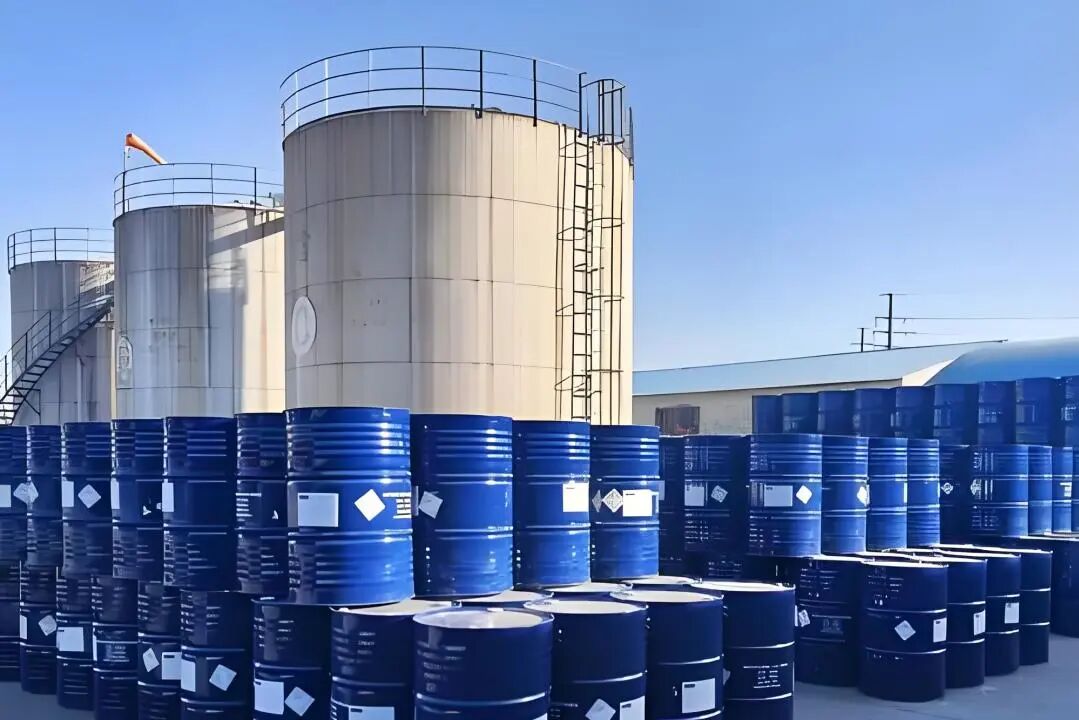
The photovoltaic supply chain is also exposed through methanol. Iran is the world's second-largest methanol producer and a key supplier to China. The crisis reportedly shut down 70%-80% of Iran's methanol capacity, widening global supply gaps and pushing prices up nearly 17% within days. That affects industrial chains such as photovoltaic glass and complicates China's new-energy build-out in the Middle East.
Chip and material risks also matter. Israel is an important centre for automotive chip research and development. If the conflict spreads, related R&D and supply could add to global auto-chip tightness. At the same time, many vehicle parts, including plastics, synthetic rubber, paint and adhesives, are downstream petroleum products. Rising crude prices lift those raw-material costs and increase manufacturing pressure.
There is a positive side for Chinese new energy. High oil prices can accelerate overseas transition. China is a major global supplier of lithium batteries and photovoltaic modules, with strong cost competitiveness and complete industrial chains. Gulf countries have been increasing investment in renewables, storage and solar infrastructure, creating long-term export opportunities for Chinese suppliers.
Can Electrification Change Energy Security?
The deeper issue is not short-term vehicle sales. It is energy security. The Middle East shock again shows how fragile the oil system can be when a strategic route such as Hormuz becomes exposed.
China is the world's largest crude importer, and its oil dependence on foreign supply remained above 70% in 2025. A large share comes from the Middle East. Transport consumes a major portion of imported oil.
One frequently cited data point is that heavy trucks account for only around 3% of China's motor-vehicle fleet but consume more than 60% of the country's diesel. If that consumption can be reduced through electrification, hybridisation or alternative-energy freight, China gains more control over energy security.
The second fact is industrial interdependence. In the past, China was mainly a price taker in the global oil market. When international oil prices rose, domestic logistics costs and inflation pressure followed. Today, there are new variables.
China controls more than 70% of global power-battery capacity, over 80% of global photovoltaic module market share and annual NEV production and sales above 10 million units. Traditional oil producers such as Saudi Arabia and the United Arab Emirates need Chinese batteries and solar products for their own energy transition.
The relationship is becoming more reciprocal: oil for batteries, hydrocarbons for electrification technology. That does not eliminate exposure to oil shocks, but it changes the balance of leverage.
A New Buffer, Not Full Independence
China's automotive electrification will not make the country fully energy independent. The question is more practical: can it create a buffer between the fragility of the oil system and the autonomy of domestic energy supply?
The answer depends on how quickly NEV penetration rises, how dense the charging network becomes, how far battery technology advances, how international conflicts evolve and how global energy transition proceeds. It also depends on whether China seeks complete self-sufficiency or a more resilient form of mutual dependence.
At minimum, the EV transition has given China options it did not have before. Without the industrial base built over the past decade in batteries, solar and new-energy vehicles, the country would face Hormuz disruptions with far fewer tools. Now, oil shocks still hurt, but they also strengthen the case for a faster and more strategic shift in the petrol-EV balance.