
With the current SAIC-GM joint-venture agreement moving toward its June 2027 expiry, uncertainty over renewal has hung over one of China's most important auto partnerships.
A Contract Shadow Begins to Lift
That uncertainty eased after Lu Xiao, general manager of SAIC-GM, told dealers at the 2026 partner summit that both shareholders had approved a series of future investment plans and would fully support the company's medium- and long-term strategy.
In business, capital commitment speaks louder than reassurance. With little more than a year left before the agreement expires, the decision by SAIC Motor and General Motors to approve further investment is a strong signal.
The importance goes beyond one company. SAIC-GM's renewal would affect both shareholders, China's joint-venture model and the broader commercial relationship between Chinese and US industrial groups.
Why Both Sides Still Need the Partnership
Over the past two years, speculation that GM might reduce exposure to China has never fully disappeared. Wall Street pressure, weaker global earnings and geopolitical noise all made China a recurring question in GM earnings calls.
The latest investment approval is the clearest answer so far. For General Motors, China remains a required market rather than an optional one.
The business case is visible in the numbers. By the end of 2025, SAIC-GM had achieved five consecutive profitable quarters. Full-year sales reached 535,000 vehicles, up 23%. In GM's global map, markets that can deliver positive profit and growth are no longer plentiful. GM chair and chief executive Mary Barra reportedly described the performance as excellent, which was more than politeness.
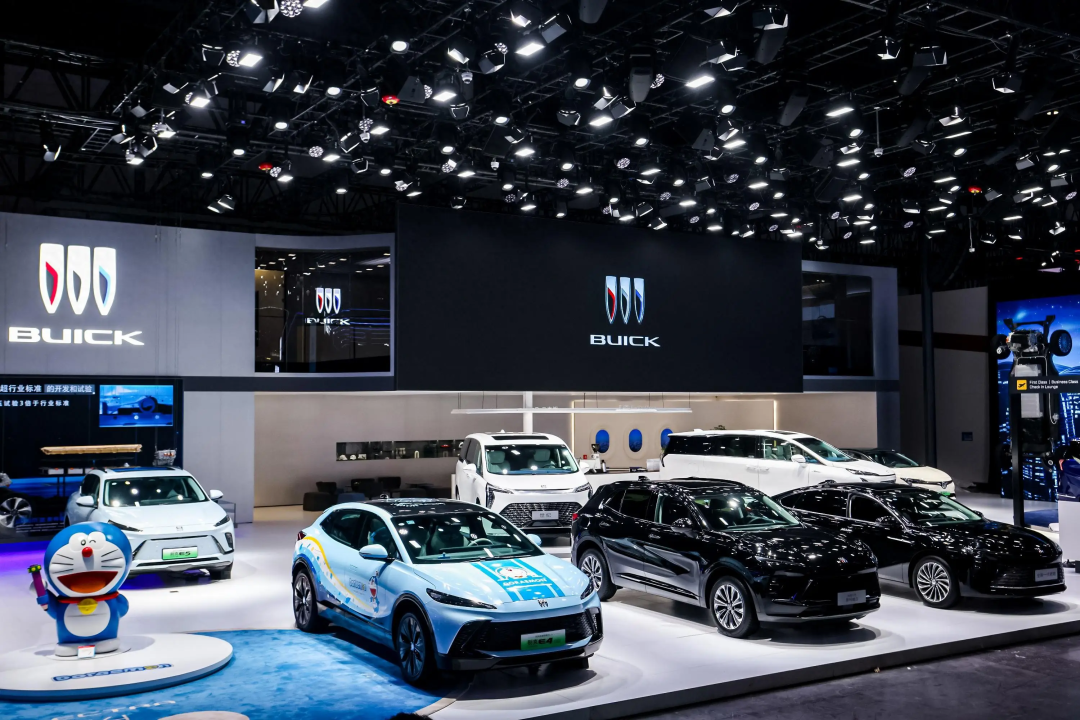
There has also been a shift in knowledge flow. Reports say SAIC-GM executives visited GM's board in the US last year and presented local research achievements such as the Buick Electra L7. Detroit executives were said to be surprised. Barra reportedly took notes during a briefing on new Chinese marketing models. In the past, Chinese teams travelled to Detroit to learn. Now Detroit is studying China.
For SAIC, the value of renewal has moved beyond traditional manufacturing cooperation. Over nearly three decades, SAIC learned modern production management from GM and trained a large pool of local research and management talent. The partnership is now changing shape.
The industry increasingly sees SAIC moving from the joint-venture 1.0 era of market-for-technology toward a 2.0 model led more by the Chinese side, centred on technology feedback and China-defined products.
Renewal would not simply extend the old arrangement. It would create a platform where SAIC has more influence, using GM's global brand assets together with China's local innovation ecosystem.
Lu captured that shift when he said SAIC-GM is no longer a traditional joint venture after all it has been through, but a start-up team travelling light. For a company nearly 30 years old, the phrase is unusual. It also reflects a new expectation: the company must fight like a start-up in the world's most competitive auto market.
The Basis for Renewal
The reason renewal now looks more likely is that SAIC-GM has changed internally. The Chinese side is moving from executor to product definer, and from technology receiver to technology contributor.
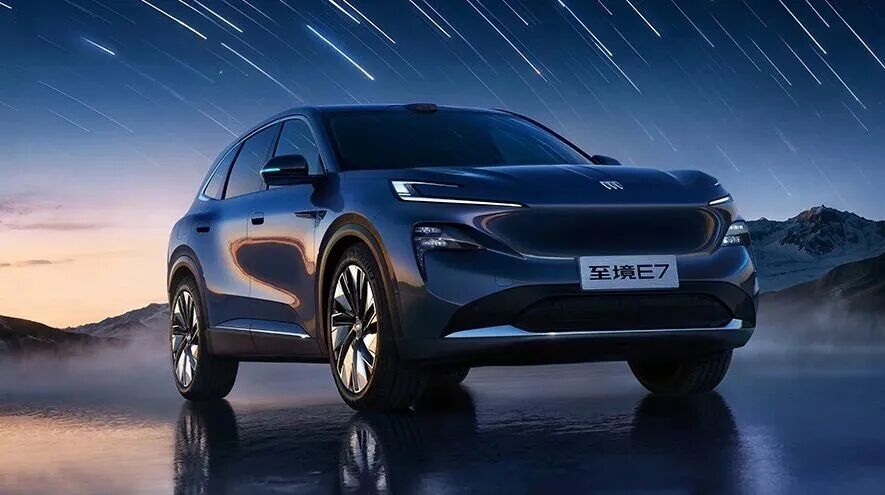
At the research level, the Pan Asia Technical Automotive Center has gained recognition for full-stack local development. In 2026, Pan Asia's locally developed hybrid system will be used more widely on key models such as the Buick Electra E7. A new plug-in hybrid system, called Zhenlong PHEV MAX in Chinese, is also expected this year.
In pure EVs, the next-generation battery target is a dual-1000 standard: 1,000V high-voltage charging and 1,000km of range. The Ultium battery's claimed safety record of 3.6 billion kilometres without fire is expected to remain part of SAIC-GM's technical narrative.
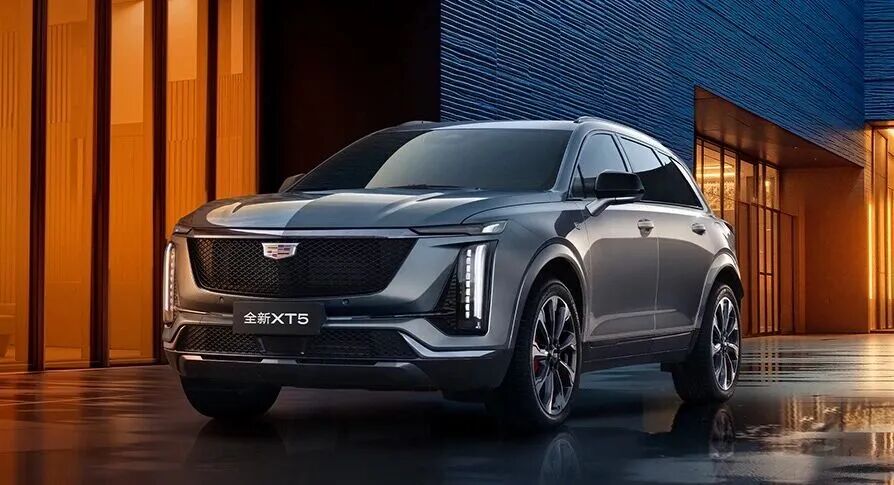
Intelligent vehicles are another focus. Starting this year, an 8775-chip high-performance cockpit platform will be used across the Buick Electra range and Cadillac XT5. HiCar, Carlink and CarPlay connectivity will be covered, with the goal of becoming one of the most locally adapted phone-to-car systems in China.
A Level 3 intelligent-driving project has received board approval and is expected to appear next year. Level 4 development is also under way.
Lu framed the new competitiveness as a combination of global manufacturing heritage and Chinese innovation. Intelligence, he argued, is no longer only a start-up label but a hard requirement for joint-venture brands.
Management authority is also changing. GM has confirmed that it will further open permissions to the joint venture. More product definition power will be delegated not only for Buick Electra, but also for Cadillac.
Lu said both shareholders had reached a high level of agreement on revitalising Cadillac in China and would use local engineering resources and key technologies to build competitive new-energy products for Chinese demand. Reports suggest Cadillac may adopt a locally developed assisted-driving system to replace Super Cruise in some future models, reflecting a new principle: the joint venture will decide which technology best fits the market.
A Product Counterattack
SAIC-GM's product plan is now clearer. Over the next three years, it expects to launch more than 10 new or refreshed models each year. In MPVs, cumulative investment will exceed about $1.4 billion. The Buick GL8 must defend its leading position in the MPV market, while the Electra MPV pure-electric flagship has begun presales. A plug-in hybrid version using the new Zhenlong system is planned for the second half of the year, aimed at becoming the top new-energy MPV above about $55,000.
The recent operating base is stronger than the public narrative might suggest. In the first two months of 2026, SAIC-GM sold 71,284 vehicles, up 9.37% year on year. Transaction prices rose against the broader market trend, dealer profitability improved, and 78 new dealers opened across the year.
Stabilising Joint Ventures Means Stabilising Confidence
SAIC-GM's renewal would matter beyond company operations. In recent years, the rise of Chinese domestic brands has led many observers to question the future of joint ventures. SAIC-GM's strategy suggests mainstream joint-venture brands are not passively waiting for decline. They are attempting a localised counterattack.
Lu's "three-horse" strategy may sound slogan-like: healthy operations as the endurance horse, technology products as the leading horse, and global expansion as the frontier horse. Behind it is a detailed plan covering product renewal and technology rearmament.
The automotive industry is high-tech and high-value-added, and a renewed SAIC-GM would keep Chinese and US interests linked across supply chains, technical standards and consumer markets.
GM's logic is practical. In 2025, its global performance came under pressure, with both revenue and profit falling, while its EV business recorded more than $7 billion in impairment charges. The China business, by contrast, delivered five consecutive profitable quarters. High localisation also reduces tariff and logistics costs and allows faster response to Chinese demand.
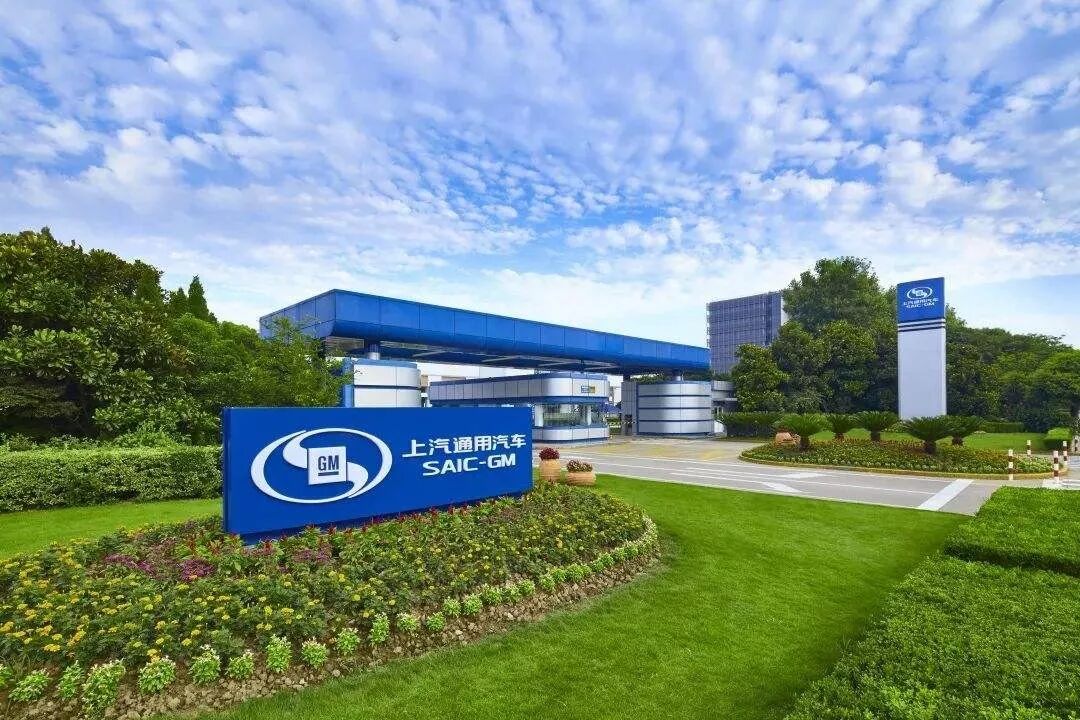
That does not mean GM's commitment is purely emotional. Localisation is driven by interest, not charity. Yet interest is often the most stable basis for cooperation.
GM's position mirrors that of many multinational automakers. Amid US-China trade friction, they must balance two major markets: adjusting supply chains for North American policy while staying deeply engaged in China to survive. GM's reported 95% localisation rate in China is both a sign of commitment and a hedge against global supply-chain risk.
In that sense, GM's willingness to invest fresh money in the Chinese market is a form of business diplomacy. It suggests that even in a more complicated geopolitical climate, auto partnerships can still be rebuilt around mutual commercial need.