

China's car market is entering a harsher phase. In 2025, more new-energy start-ups are likely to face operating crises, while large automotive groups will continue merging internal brands to reduce waste and sharpen focus.
1. More brands will be merged or disappear
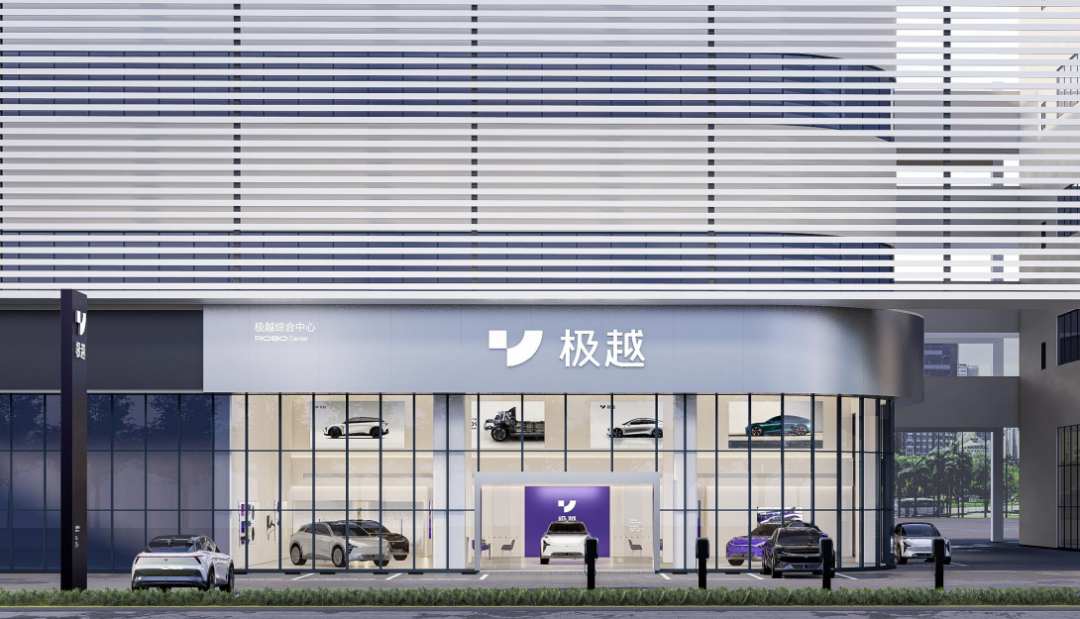
HiPhi, Neta and Jiyue already showed signs of distress in 2024. As legacy automakers catch up in electrification and software, smaller start-ups will find it harder to survive on a single technical edge. Scale, supply-chain control, dealer strength and cash reserves will matter more.
Large groups are already responding. Geely has moved to combine Zeekr and Lynk & Co more closely, while folding Geometry into Galaxy. SAIC has also integrated parts of Rising Auto and Roewe. These moves look less like retreat than concentration of resources for a market where duplication is becoming too expensive.
2. Subsidies and the price war will intensify
China's 2024 vehicle trade-in subsidy programme ended on December 31, creating frustration for some buyers whose cars could not be delivered in time. The central government is already working on 2025 support measures, and the new policy is likely to remain significant.
Subsidies will not calm the price war. They may extend it. As the industry moves into what many Chinese executives call the final round of competition, automakers will seek lower supply-chain costs to preserve room for retail discounts. Reports that BYD asked suppliers for annual price reductions of as much as 10 per cent point to the pressure, even after later clarification.
3. Plug-in hybrid and range-extender growth may peak
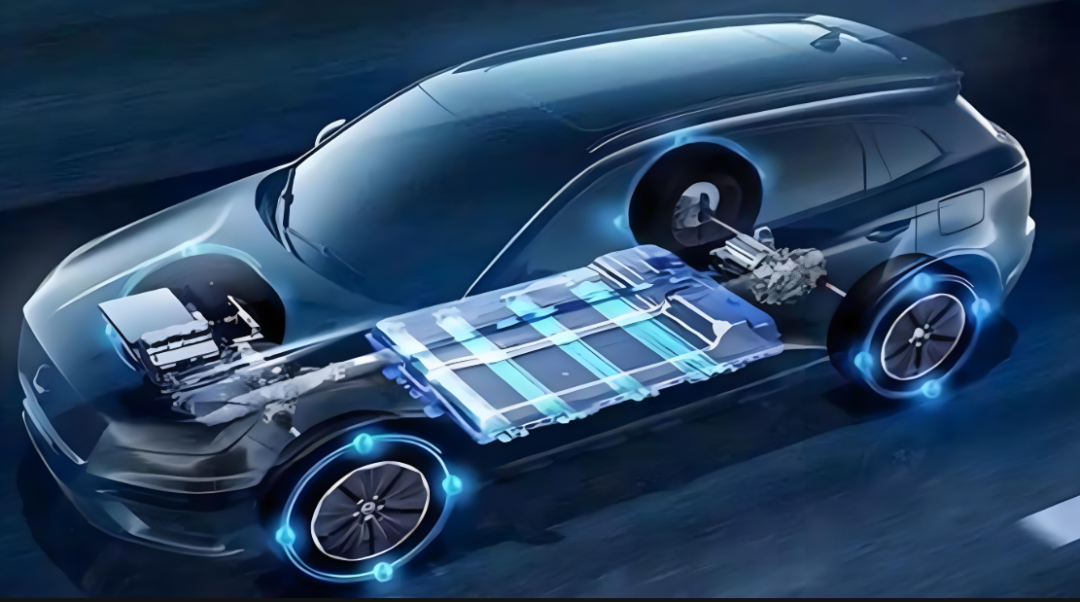
From January to November 2024, sales of plug-in hybrid and range-extender vehicles in China rose 85.2 per cent, far faster than battery-electric vehicles, which grew 15 per cent. The reason is simple: hybrids reduce range and charging anxiety.
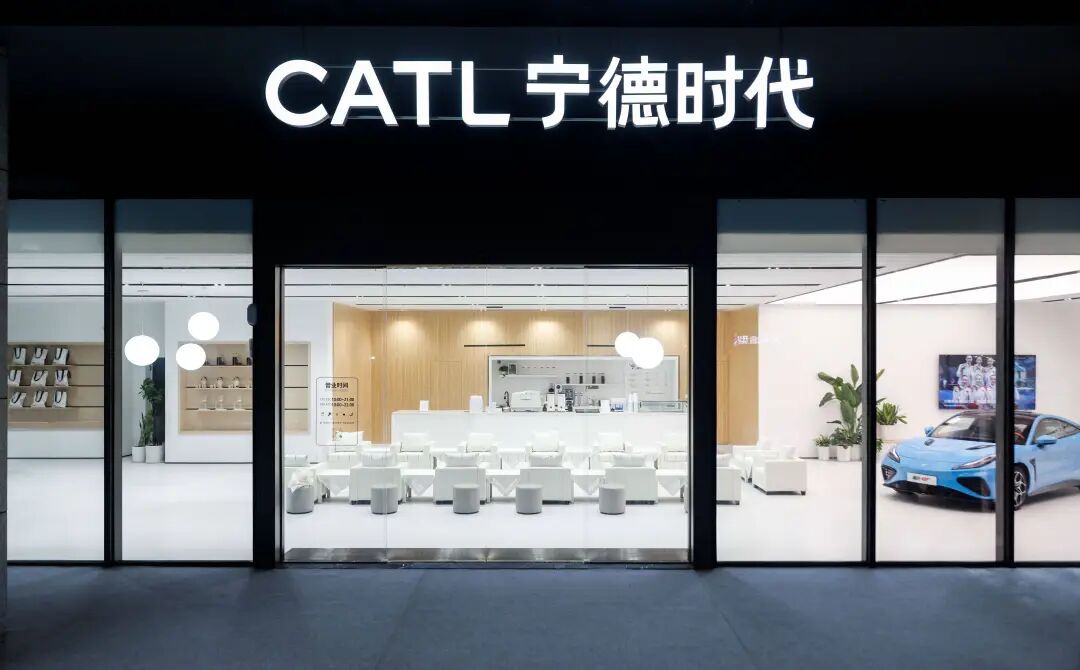
That momentum should continue through 2025, but the growth rate may reach its high point. Several carmakers say mass production of solid-state batteries could begin around 2026. Charging and battery-swap networks are also expanding. Nio plans to cover more than 2,300 county-level areas across 27 provincial regions by the end of 2025 and more than 2,800 later. CATL plans 1,000 battery-swap stations in 2025 under its Choco-SEB network.
If battery-electric convenience improves after 2026, plug-in hybrids and range extenders may still grow, but less explosively.
4. Xiaomi can reach 300,000 vehicles
Xiaomi Auto has set a 2025 sales target of 300,000 vehicles, more than double its 2024 target. The goal is ambitious but achievable. Xiaomi delivered 135,000 vehicles in 2024, beating its revised 130,000-unit target with only the SU7 sedan on sale.
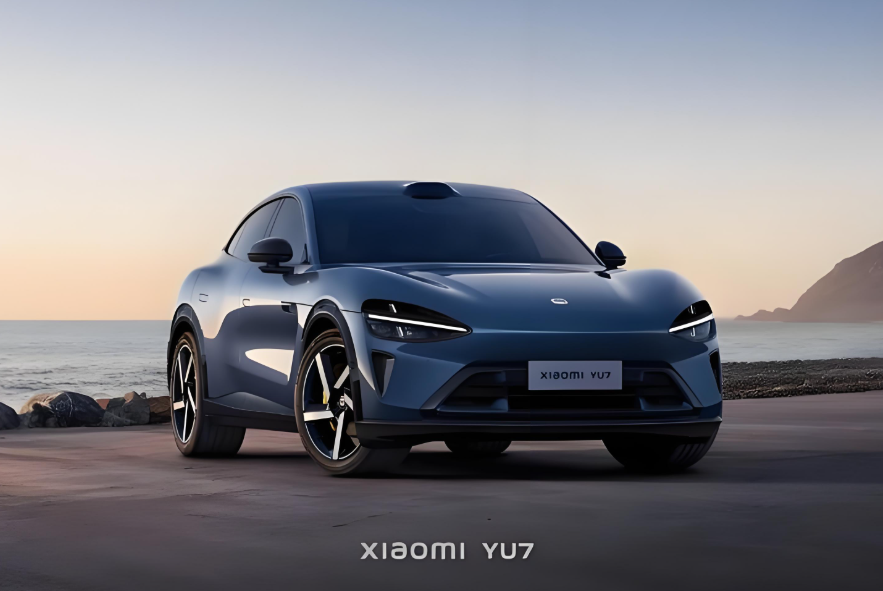
The next growth driver is the YU7, a mid-to-large battery-electric SUV expected to launch in June 2025. Its design appears closely linked to the SU7, and SUVs have broader mainstream appeal than sedans in China.
Capacity is the main risk. Xiaomi's first plant has annual capacity of 150,000 vehicles, and a second plant with the same capacity is expected to finish construction around mid-June 2025 and start production as early as July. If reports of contract manufacturing support from Dongfeng's Yunfeng plant prove accurate, Xiaomi's 300,000-unit target looks more realistic.
5. Annual new-energy penetration will pass 50%
China's monthly new-energy vehicle penetration exceeded 50 per cent for six straight months from July 2024. The next step is annual penetration above 50 per cent, which had not yet been achieved for the full year.
That milestone is likely in 2025. Subsidies will help, but the deeper driver is consumer demand. Chinese buyers increasingly want intelligent cockpits, assisted driving and technology-led user experiences. New-energy vehicles, especially battery-electric models, have structural advantages in delivering those features.
6. Assisted driving will decide winners and losers
The first half of China's new-energy transition was defined by electrification, range extenders and comfort features. Li Auto's early success came from family SUVs with range-extender powertrains and highly comfortable cabins. Those features are easier to copy than serious software and intelligent-driving capability.
Tesla is raising the pressure. A lower-priced model sometimes referred to as Model Q has been discussed for the first half of 2025, with a post-subsidy price below $30,000. Its FSD software is also advancing, with version 13.2 described as far stronger than the previous generation and Tesla claiming it could exceed human safety levels in the second quarter of 2025.
Chinese and global rivals are racing to respond. Xpeng's Turing AI system has improved lane-change success rates, Xiaomi's end-to-end HAD architecture has entered internal testing, BYD has pushed its God's Eye advanced driver-assistance package by OTA, and Mercedes-Benz and BMW are rolling out higher-level assisted-driving features. Falling behind in this field could become fatal.
7. Joint ventures will split into survivors and laggards
Foreign joint ventures in China are no longer moving as one group. Some will adapt; others may be marginalised. GAC Group's Panyu Action plan shows the direction. More than 60 per cent of GAC's sales once depended on GAC Toyota and GAC Honda, but both fell more than 20 per cent in the first 10 months of 2024. The group's move back towards Panyu, the base of Trumpchi and Aion, signals a stronger focus on self-owned brands.
Changan Ford and Changan Mazda face similar pressure. Changan Ford's sales fell sharply from 2017 to 2019, recovered briefly, then declined again in 2022 and 2023. Its new-energy transition has been slow. Changan Mazda has also lost ground as Changan prioritises Changan, Deepal and Avatr.
Joint ventures that cannot match Chinese brands in new-energy products, intelligence and value will be pushed to the margins.
8. Chinese car exports will accelerate
China exported 4.91 million vehicles in 2023, surpassing Japan's 4.42 million to become the world's largest auto exporter. Growth continued in 2024, and Huachuang Securities forecast exports could exceed 5.58 million vehicles in 2025, up 14 per cent.
Domestic competition is forcing the move outward. China's passenger-vehicle market is expected to reach about 28.09 million units in 2025, up only around 2 per cent, while new-energy passenger vehicles could reach 15.7 million and penetration 56 per cent. With local growth limited and price pressure intense, overseas markets are no longer optional for ambitious Chinese carmakers.
Policy support also helps. Senior economic meetings have emphasised higher-level opening, stable foreign trade, the Belt and Road initiative and better overseas service systems, all of which support auto exports.
9. Micro and small cars will recover share
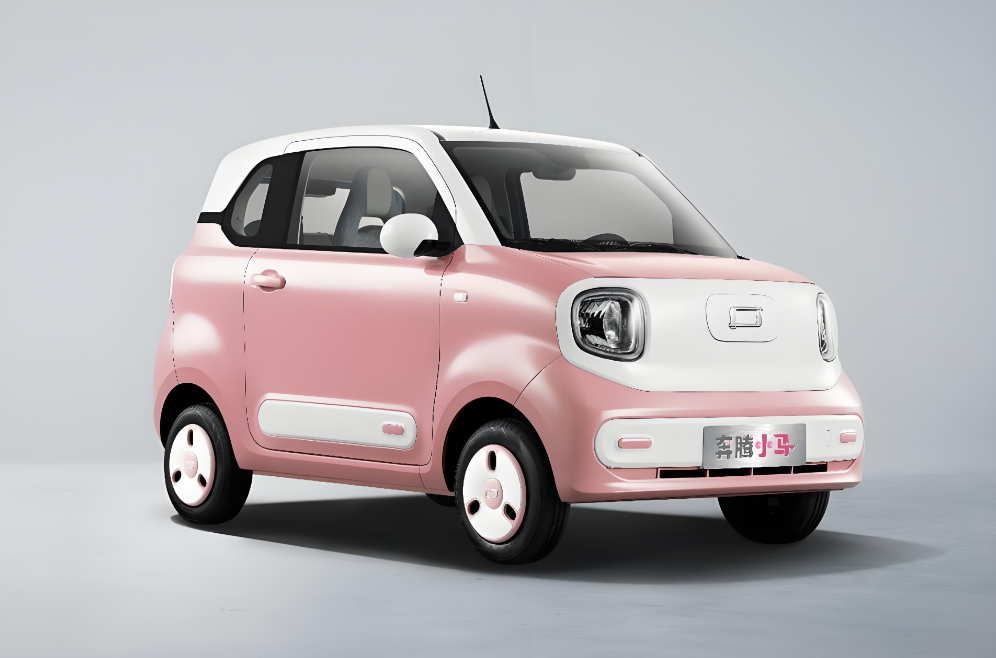
Economic pressure is making affordability more important. For young buyers with limited income, a car's basic mobility function matters more than status. Micro and small cars offer low purchase costs and low running costs. The Wuling Hongguang Mini EV, priced around $6,000, remains a clear example.
The data already point to recovery. In the first 10 months of 2024, China's A00 micro electric vehicle segment sold more than 970,000 units, exceeding the full-year 2023 total of 946,000. Full-year sales were expected to pass the 2022 peak of 1.08 million. In November, the Hongguang Mini EV led the segment with 34,777 units, followed by the Geely Panda at 19,027 and the Changan Lumin at 16,605.
More automakers are entering the field, including updated Geely Panda variants shown at the 2024 Guangzhou auto show. A wider product range should help micro EVs gain share in 2025.
10. Auto media will move closer to retail
Hong Party's final prediction is also a business move of its own. In 2025, it plans to work with Bangbang Star Select Mall to develop a full-chain automotive brand-service model.
The plan includes an online store for selected car accessories and camping equipment, an AIGC-linked media management system that allows video distribution points to be exchanged for goods, a news section for industry information and a special-price vehicle section designed to help automakers clear inventory.
If executed well, the model could connect automotive media traffic with new retail services, giving media brands a more direct role in vehicle marketing, user operations and inventory conversion. That would make 2025 not only a year of product and price competition, but also a year when the boundaries between auto content, commerce and retail become less distinct.