The language around electric vehicles has become inflated. New models are routinely sold with claims of reinvention, disruption and revolution, even when the changes amount to a larger screen, an unusual door handle or another layer of software menus.
Innovation fatigue in the electric-car market
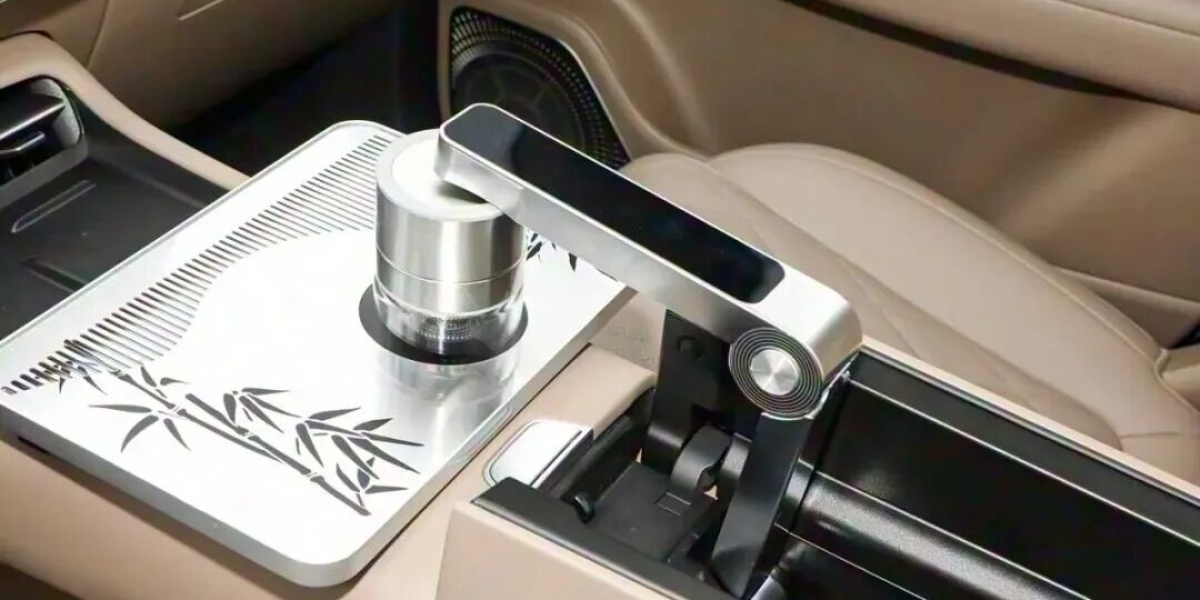
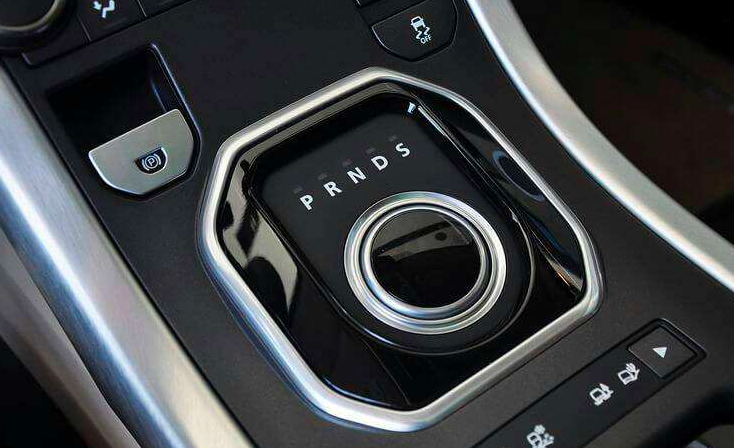
That kind of novelty once helped EV makers signal the future. It now risks becoming a burden. Flush door handles that freeze in winter, screen-based gear selectors that interrupt driver habits, and basic functions buried inside complex infotainment systems all raise the same question: is this progress, or technology performing for its own sake?

China's EV industry is facing a deeper form of anxiety. Manufacturers are trying to break out of product homogeneity, yet many have confused differentiation with strangeness and digital sophistication with operational complexity.
The answer is not a simple choice between incremental improvement and sweeping disruption. The more important question is whether innovation begins with engineering vanity or with a real improvement in how people use cars.

When clever design becomes a burden
Some of the most criticised EV features share a common flaw: they make everyday driving less intuitive. A panoramic glass roof that cannot open may look premium in a brochure, but can turn a summer cabin into a heat trap. A screen-only gear selector can make experienced drivers look down at precisely the wrong moment. Extra displays, small appliances and layered menus can turn simple tasks into distractions.
The problem is not technology itself. It is the loss of connection between development and real use. A car remains, before anything else, a safe and efficient mobility tool. When brands overextend the idea of a "mobile living room", they can end up adding weight, cost and risk to features that few owners need often.

The strength of the aftermarket tells a different story. Storage boxes, under-seat drawers, boot dividers and practical accessories sell well because they solve frequent, ordinary problems. That demand is a form of user voting. It suggests that some factory designs are missing the daily scenarios owners care about most.
Useful innovation does not have to be dramatic. A better cupholder, a smarter storage space or a more reliable control can be more valuable than a theatrical feature that works only in a marketing video.
Three tests for useful innovation
For an automotive feature to matter, it should meet three tests. It must start from a real user need, fit a credible driving or ownership scenario, and preserve safety as the non-negotiable baseline.
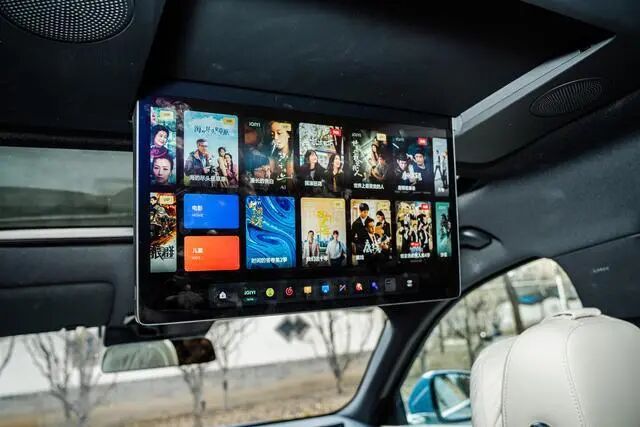
Scenario fit is where many better ideas succeed. Volkswagen's China-market ID. models have improved external power supply functions for family camping and emergency use. Li Auto's refrigerator and rear entertainment screen became talking points because they addressed long-distance family travel rather than inventing an artificial scenario.
The failures are equally instructive. A built-in kitchen or an in-car shower may sound imaginative, but they can consume cabin space, add weight, require awkward external support and create safety concerns. Low-frequency novelty is not the same as a high-frequency need.

Safety is the clearest boundary. Screen-based shifting is criticised because it weakens muscle memory and demands visual confirmation. One-pedal driving has raised debate because it conflicts with habits formed in combustion-engine vehicles. Fully hidden electric door handles have become a more visible case, especially when they freeze, jam or fail to open during emergencies.
China's industry regulator has moved to set clearer limits. A draft safety standard for vehicle door handles issued in 2025 would discourage fully hidden designs, require usable hand space in all states and mandate a mechanical release function so doors can be opened after certain accidents without tools. The point is not to ban innovation, but to pull it back toward the purpose of safety.

What real disruption looks like
True disruption in the EV sector is not a styling trick or a user-interface experiment. It changes the underlying constraints of the industry and creates durable value for owners.
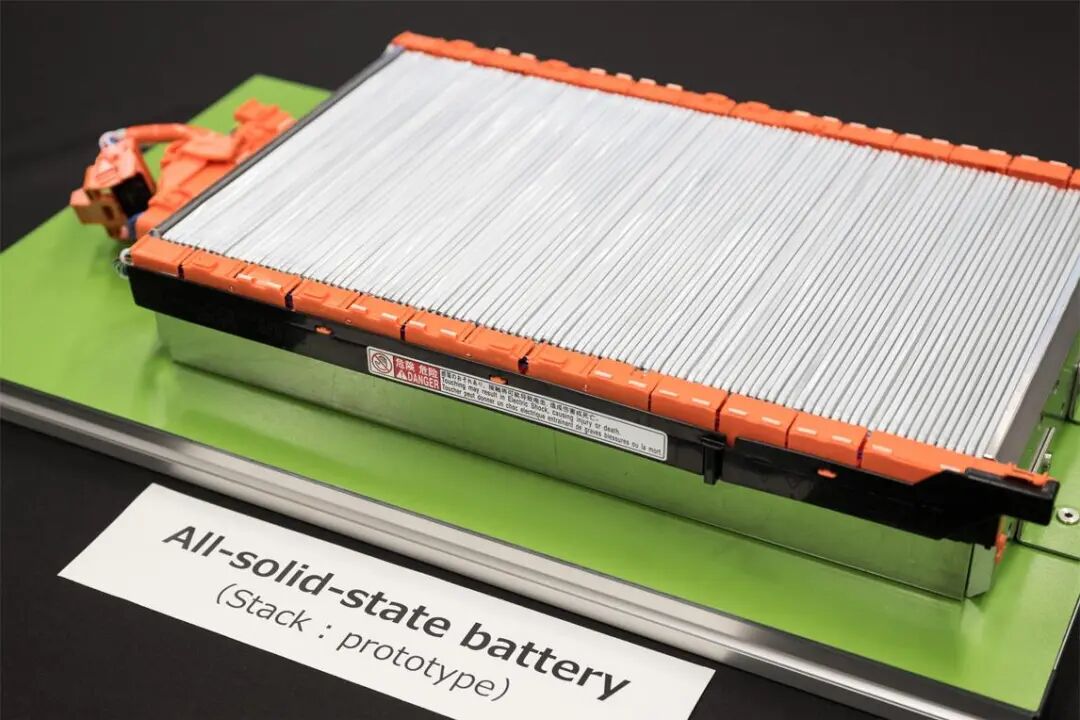
Solid-state batteries remain one of the clearest examples. They target the two biggest weaknesses of current liquid lithium batteries: range and safety. GAC has said its large-capacity solid-state battery pilot line has entered small-batch testing, with energy density close to twice that of current liquid lithium batteries. In theory, a model that now travels 500km could move beyond 1,000km with the new technology.
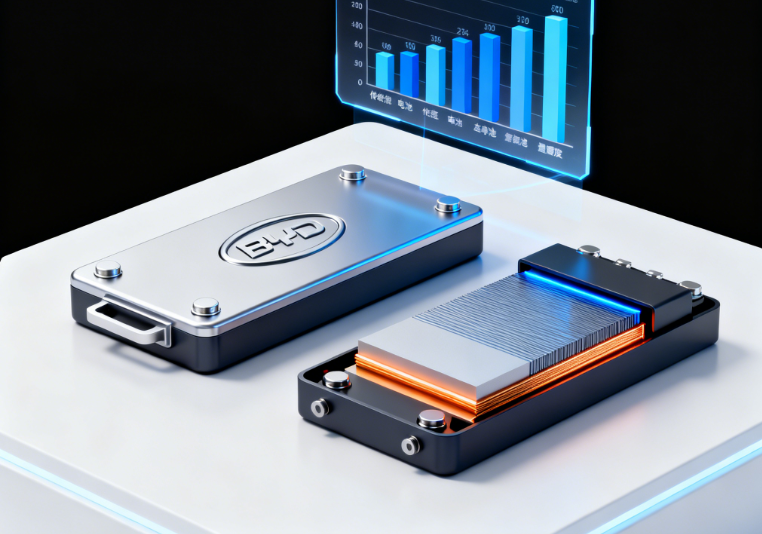
CATL is pursuing sulphide-based solid-state batteries and has targeted small-batch production around 2027. BYD also plans demonstration installation around that period and broader deployment after 2030. These efforts matter because they could reshape how EVs are used, not merely raise a specification on a data sheet.
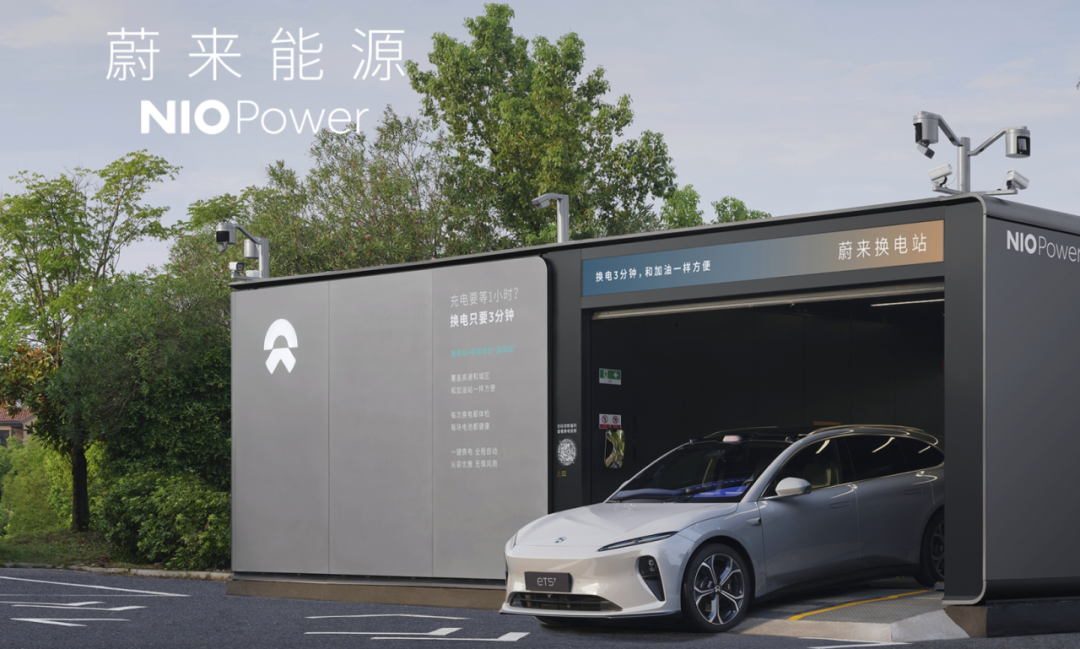
The same logic applies to business-model innovation when it solves a real problem. Nio's battery-swap network gives owners a fast energy-replenishment option and separates part of the battery asset from the purchase decision. Xiaomi's HyperOS attempts to link car, smartphone and home devices into a broader digital environment. Both ideas are stronger when they reduce friction rather than add ceremony.
A return to the purpose of the car
The electric-car industry does need disruption, but not the kind that treats every visible difference as progress. The next phase will reward companies that can balance engineering ambition with restraint.
Incremental improvements still matter when they make cars safer, easier and more reliable. Breakthrough technologies matter when they change cost, range, energy replenishment or the structure of mobility itself. The weak middle ground is decorative novelty that adds complexity without improving the experience.
For global observers of China's EV sector, the lesson is clear. The most important innovations will not be the loudest. They will be the ones that make the car a better tool for movement, protect the user in difficult moments and create value that survives beyond the launch campaign.