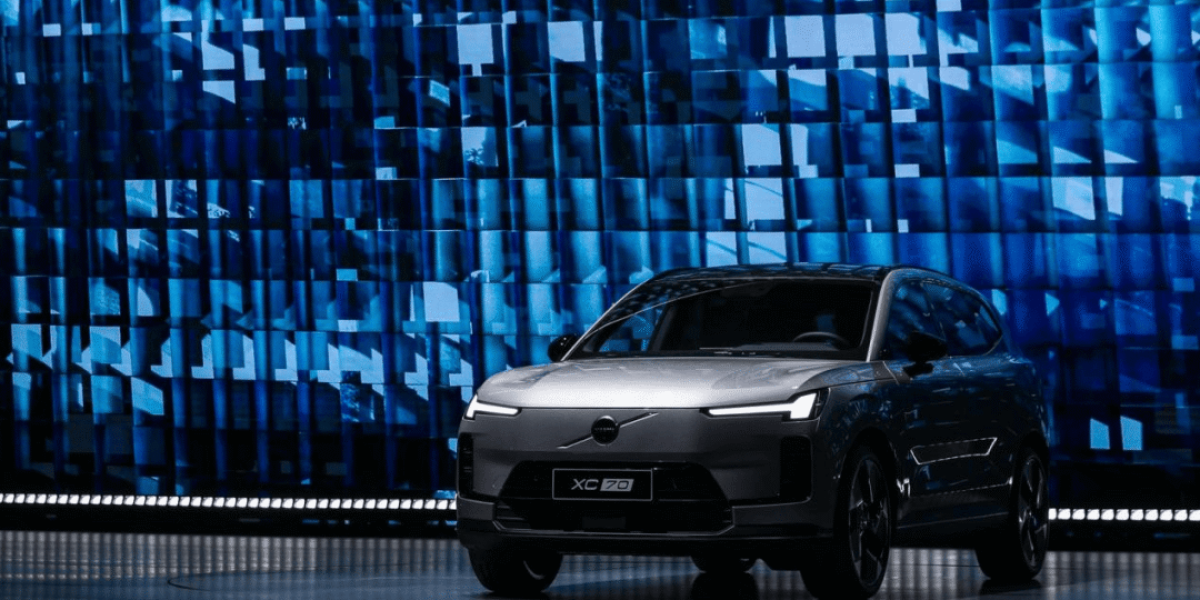
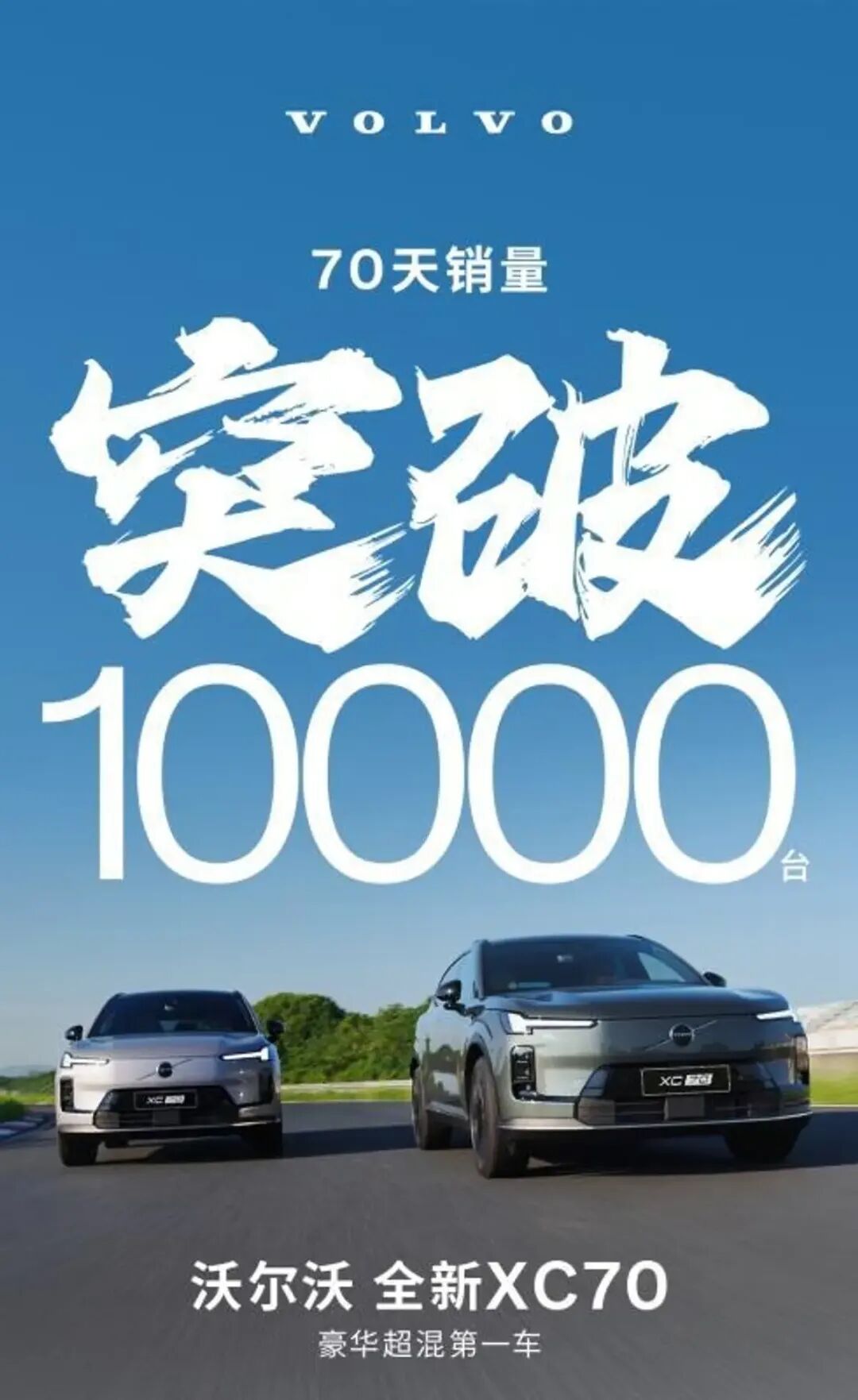
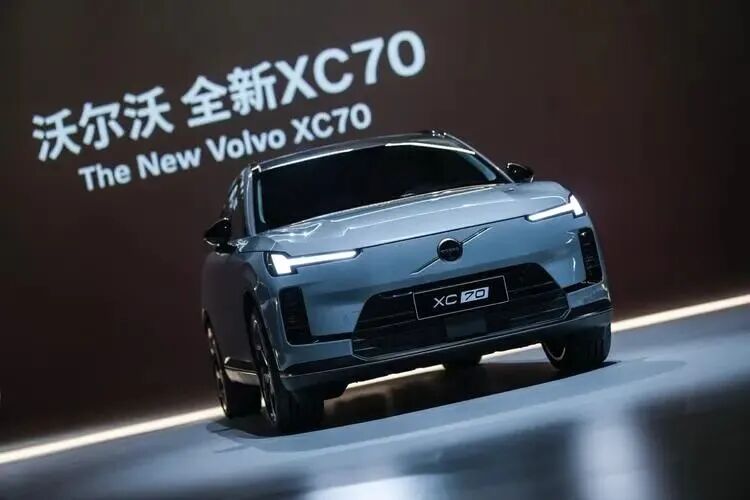
Volvo's new XC70 sold more than 10,000 units in China within 70 days of its September 26 launch, according to company data cited in the article.
A rare plug-in hybrid success
That means daily deliveries of nearly 150 vehicles and a new launch growth record for the brand.
The result stands out in China's luxury new-energy market. Third-party monitoring cited in the article showed that luxury-brand new-energy vehicles, including battery-electric and plug-in hybrid models, took an average of 142 days to pass 10,000 units in the first 10 months of 2025. The XC70 effectively halved that cycle.
In November, XC70 monthly sales reached 5,354 units, up 94 per cent from the previous month. It became Volvo's top-selling model and lifted new-energy vehicles to 43 per cent of the brand's China sales.
The sales were not built on heavy discounting. The XC70 is sold through official direct sales with stable pricing, and the article says it offered only a replacement subsidy of about $2,000 rather than large terminal cash discounts.
A Volvo with a strong China brief
The XC70 still carries Volvo's familiar Nordic design, safety identity and environmental message. Yet it is also widely described as a strongly China-oriented product, and that explains much of its success.
The vehicle uses the SMA super hybrid architecture and a plug-in hybrid route. Its CLTC pure-electric range exceeds 200km, enough to cover most daily urban commuting, while combined range exceeds 1,200km and low-charge fuel consumption is 5.5 litres per 100km, according to the article.
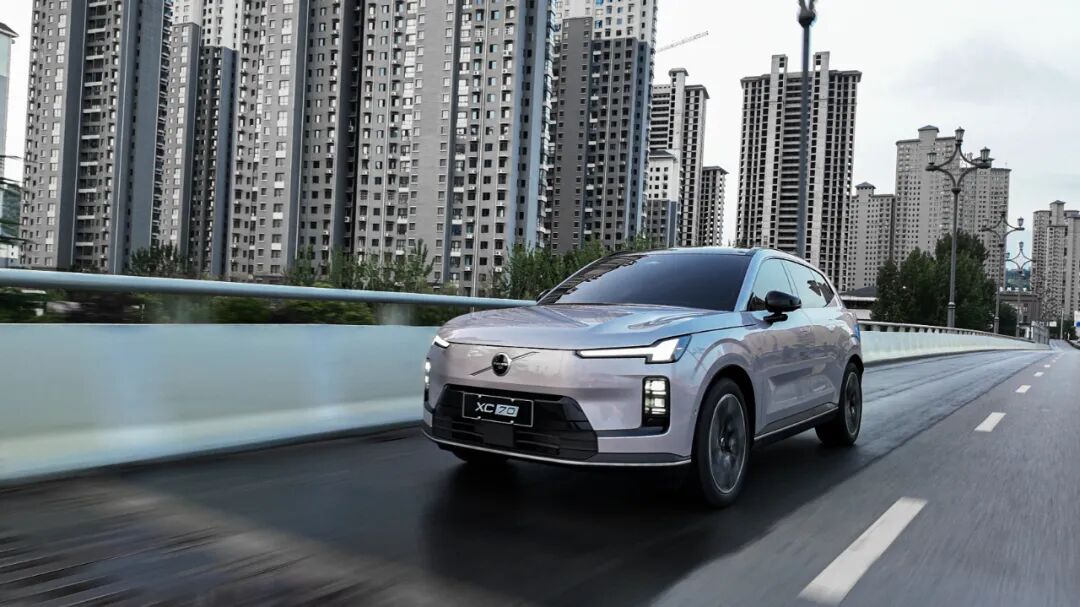
That choice is pragmatic rather than conservative. China's driving scenarios vary widely between daily city trips, intercity travel and long-distance family use. A plug-in hybrid with meaningful electric range and long total range answers both cost and range-anxiety concerns.
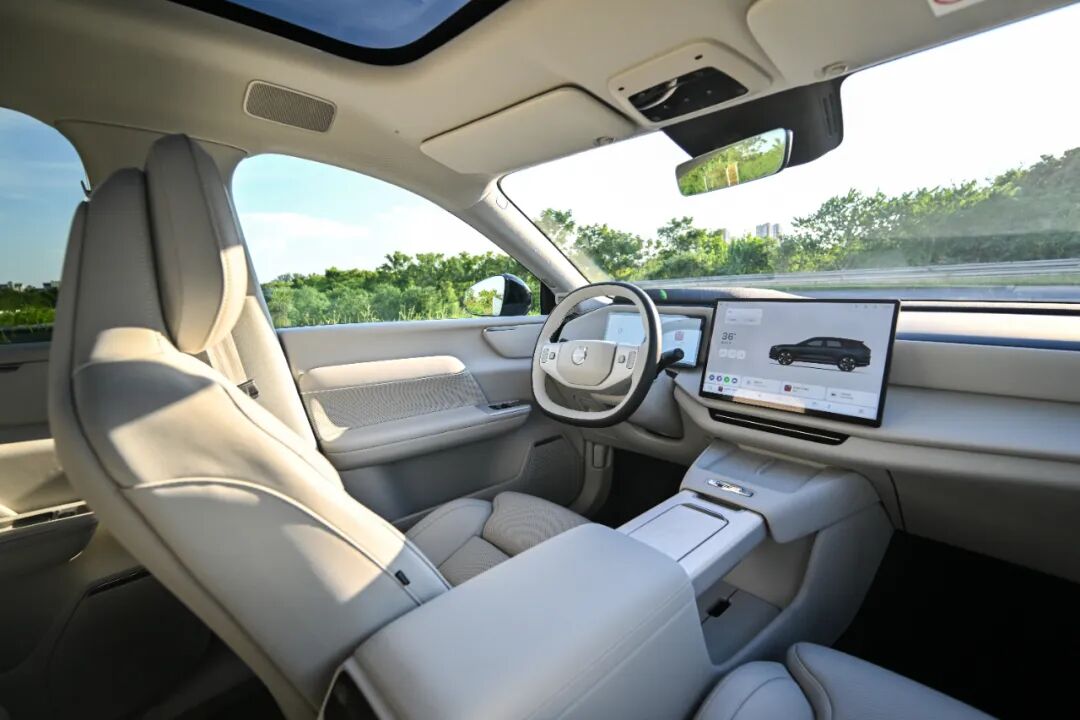
Safety remains the brand's anchor. The four-wheel-drive version uses 24 intelligent sensing devices, and all versions come standard with 21 intelligent safety-assistance functions. Volvo is extending its safety message from body structure into driver assistance and smart-cabin use.
Space and cabin health also matter. With a 4,827mm length and 2,870mm wheelbase, the XC70 targets Chinese middle-class families that want a larger premium SUV with clean materials, a calmer cabin and a stronger sense of health and security.
China as a second home market
The XC70's importance is larger than one model. It is evidence of Volvo's deeper localisation strategy in China.
Volvo Cars Asia-Pacific chief executive Yuan Xiaolin has described the goal as turning China into the company's second home market, not merely a sales market. The distinction matters. A sales market executes global plans. A home market helps define products and influence decisions.
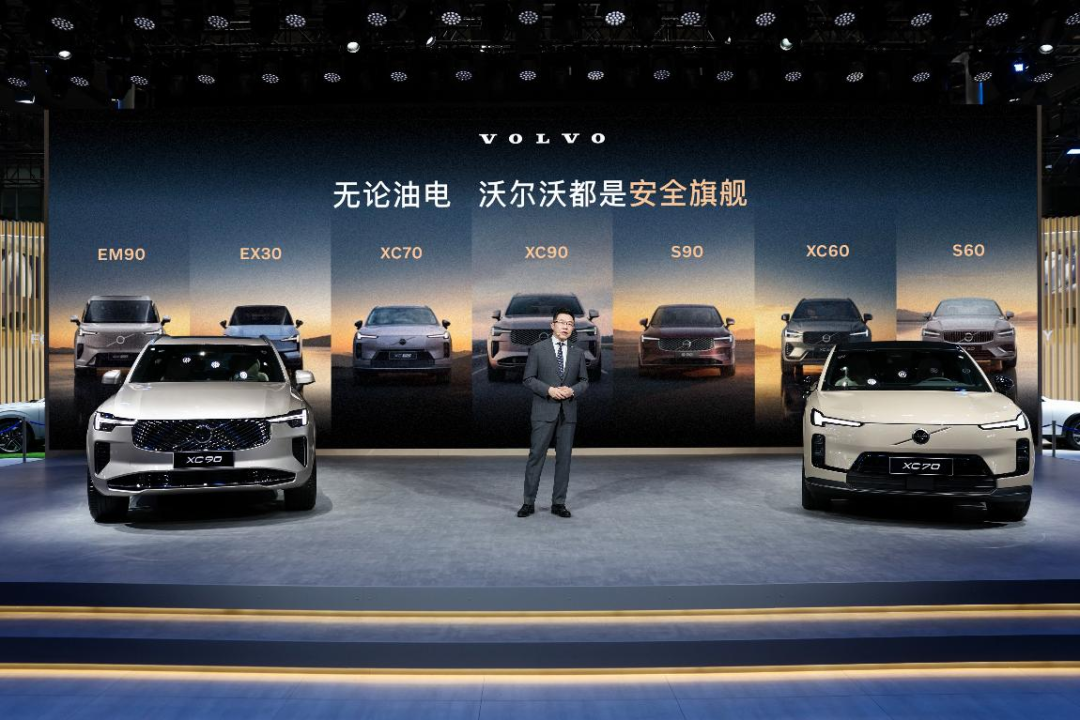
That shift is visible in product planning. Volvo's seven planned new models for 2025 have largely arrived, covering fuel, plug-in hybrid and battery-electric routes. The XC70's performance validates a strategy built around Chinese consumer needs rather than simple global-model adaptation.
The channel strategy is also changing. Volvo added 32 authorised stores in 2025, focusing on third- and fourth-tier cities and building a broader service network. That helps the brand reach buyers beyond the largest urban centres.
Volvo's localisation has moved from production and product adaptation toward product definition, decision-making authority and operating systems. The aim is to use China's intelligent-vehicle environment and mature supply chain to build more competitive products.
A beginning, not an endpoint
The XC70 shows that a legacy luxury brand's heritage does not have to be a burden. Safety, restraint and environmental credibility can still matter if they are reinterpreted through the right technology and use scenarios.
The challenge is that China's market is increasingly defined by intelligent ecosystems, not just hardware and core driving scenarios. Vehicles are becoming nodes in users' digital lives, and traditional luxury brands risk being challenged by more complete software-led experiences.
For Volvo, the XC70 is a strong start rather than a final victory. It has proved that deep localisation can work. The next test is whether Volvo can extend that approach into software, services and intelligent ecosystems fast enough to keep pace with China's most aggressive competitors.