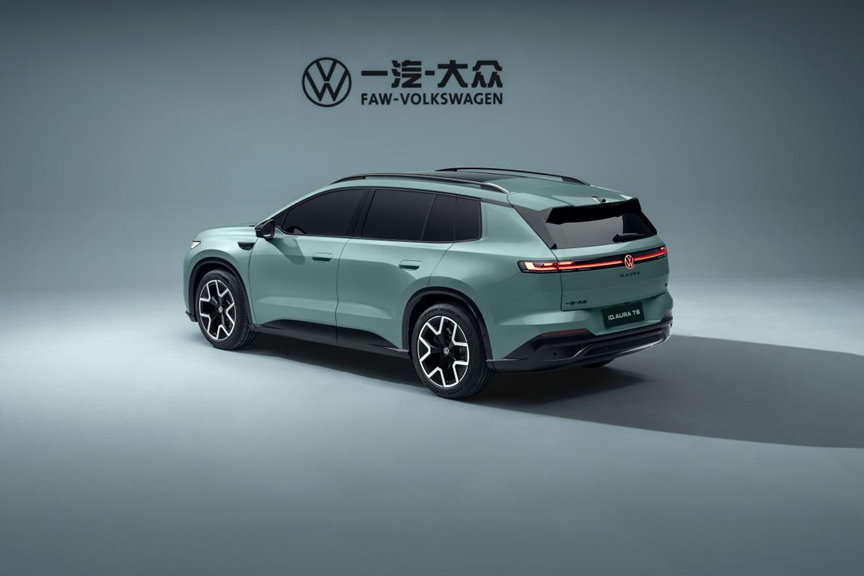
The launch of the Volkswagen ID. AURA T6 marks more than the arrival of another electric vehicle.
It represents a deeper shift inside one of the world's largest automotive joint ventures: the transfer of product decision-making power from Wolfsburg to Changchun.
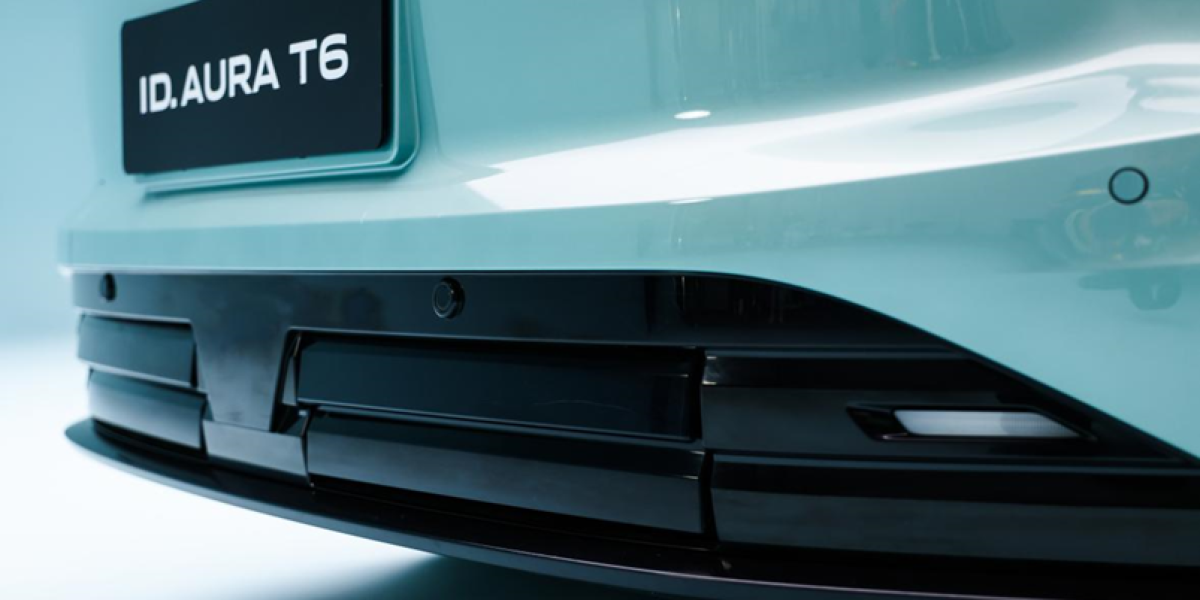
With upgrades including rear disc brakes, Horizon Robotics Journey 6H intelligent driving technology and a new CEA electronic architecture, the model reflects a new approach to localisation. The traditional idea of a “globally developed car built in China” is evolving into something different — a Volkswagen-branded vehicle increasingly shaped by Chinese engineers, suppliers and consumers.
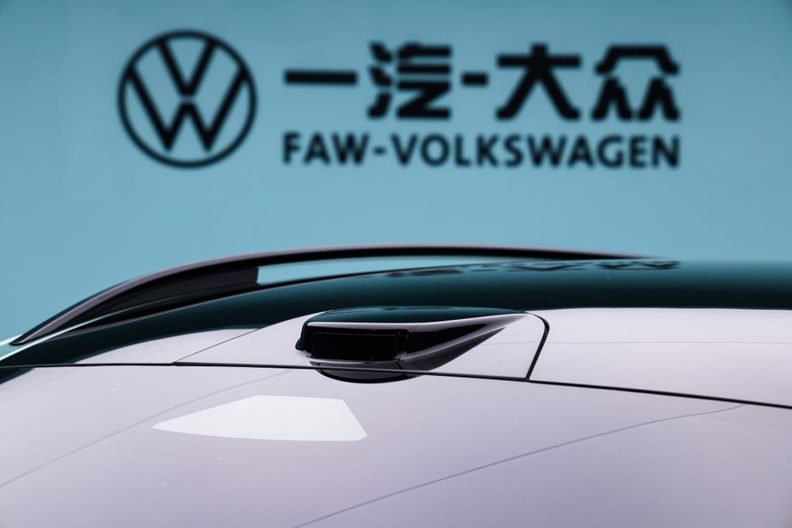
The challenge facing traditional joint ventures has long been an “impossible triangle”: maintaining global platform consistency, responding quickly to local markets and gaining independent product definition authority. Historically, achieving one often meant sacrificing another.
The ID. AURA T6 offers a different answer. Its technology choices, architecture decisions and product improvements were driven by Chinese market demands, supported by China's supply chain ecosystem and developed by local teams.
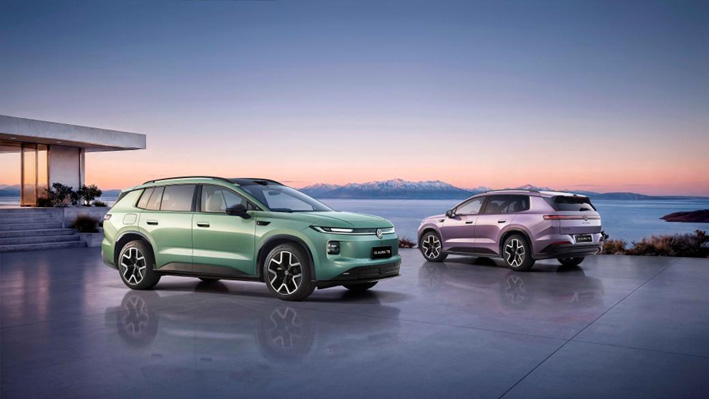
From Wolfsburg Approval to Changchun Decision-Making
The most important change behind the ID. AURA T6 is not a single component upgrade, but a change in where decisions are made.
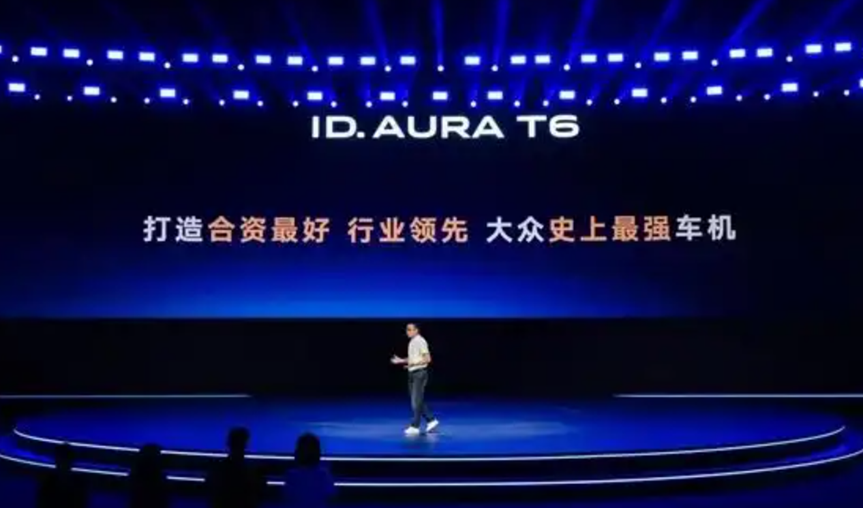
Volkswagen brand executive Zhang Yongsheng acknowledged that the company had started late in areas such as intelligent cabins and said the goal was to deliver the strongest joint-venture EV experience while competing at the industry's leading level.
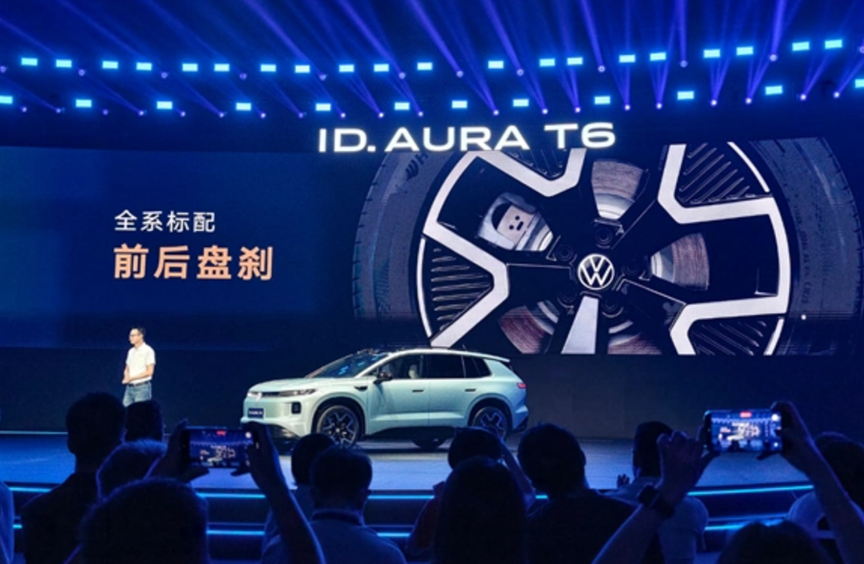
The statement reflects a broader transformation. Instead of waiting for global headquarters to define every product direction, the Chinese operation is becoming a centre of innovation, adapting Volkswagen's global engineering capabilities to one of the world's fastest-moving EV markets.
A “Listening” Leadership Model Changes How Volkswagen Responds
One of the clearest examples is the decision to replace the rear drum brakes used on previous ID models with disc brakes across the vehicle.
For years, customers had criticised the drum brake configuration. Zhang Yongsheng publicly admitted that the company had listened to customer feedback and decided to address the issue directly.
The significance goes beyond the hardware itself. A willingness to acknowledge shortcomings and quickly respond requires a different organisational culture — one where market feedback can influence engineering decisions.
The move demonstrates a shift from a traditional top-down global development model toward a structure where teams closer to customers have greater authority.
Chinese Supply Chains Move From Cost Option to Technology Partner
For many international automakers, Chinese suppliers were historically viewed primarily as a way to reduce costs. The ID. AURA T6 suggests a different philosophy: Chinese suppliers are increasingly selected because they offer competitive technology.
The vehicle adopts Horizon Robotics' Journey 6H computing platform, not simply because of pricing considerations, but because its open toolchain allows deeper algorithm customisation and faster software iteration.
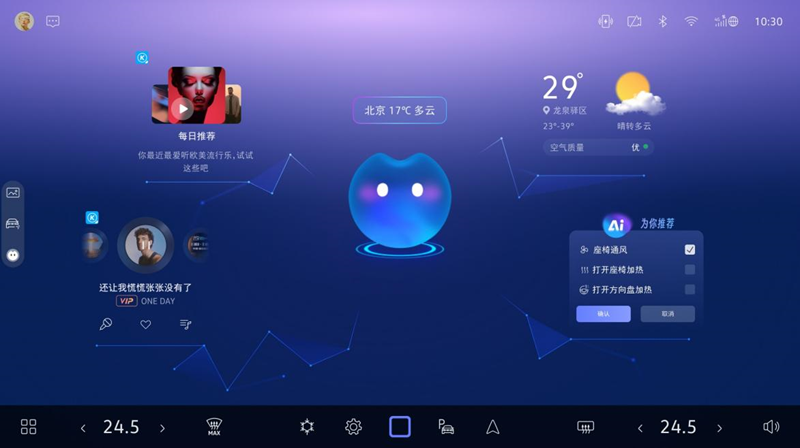
Volkswagen has also strengthened cooperation through its CoreChips joint venture with Horizon Robotics, turning intelligent driving technology from a purchased solution into a platform for joint development.
The vehicle uses CATL batteries, while Volkswagen maintains strict safety standards. The battery system reportedly underwent more than 400 validation tests covering extreme conditions including vibration, puncture, water exposure and salt spray.
The combination of Volkswagen's traditional engineering strengths with China's EV technology ecosystem creates a new product formula: German manufacturing discipline paired with Chinese speed and innovation.
Building an EV Platform Designed for Continuous Evolution
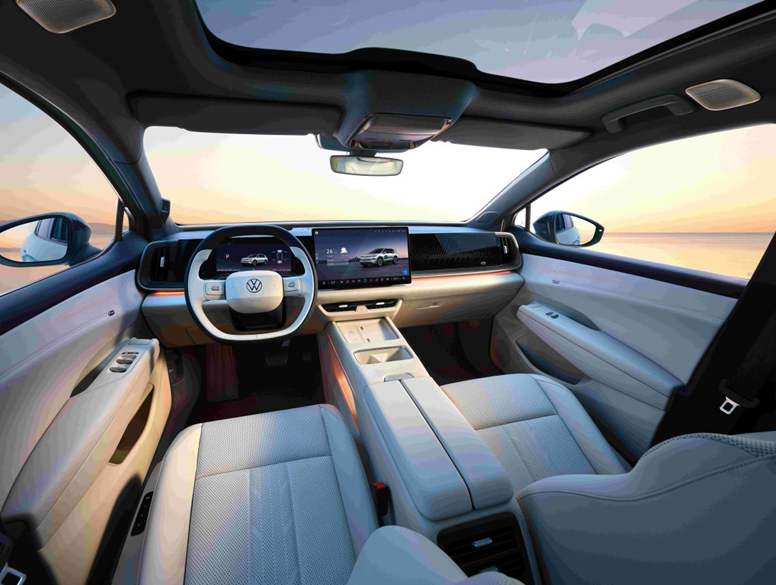
The ID. AURA T6 is also designed around long-term software development. Its CEA architecture provides extensive interface openness, dedicated AI computing resources and high-speed communication capability.
Rather than treating an EV as a finished product at launch, Volkswagen is moving toward a vehicle architecture that can continue improving through software updates.
This approach mirrors the strategy adopted by China's leading EV manufacturers, where continuous iteration has become a central competitive advantage.
A New Test for Volkswagen's China Strategy
The ID. AURA T6 gives Volkswagen a stronger position in China's rapidly changing EV market, but the bigger question is whether this new operating model can be sustained.
Chinese EV startups have built their advantage around software development speed and internet-style iteration. Volkswagen's response is not to copy that model entirely, but to create technical foundations that allow faster adaptation in the future.
The company's large customer base remains another important asset. Millions of existing Volkswagen owners represent a trust advantage built over decades, particularly around safety and reliability.
The Meaning Behind the ID. AURA T6
The ID. AURA T6 is not simply a Volkswagen model equipped with Chinese applications or local suppliers. Its significance lies in the transfer of product definition authority.
Moving decision-making closer to customers, recognising Chinese suppliers as technology leaders and empowering local teams represent a fundamental change in how a global automaker operates in China.
Whether the ID. AURA T6 becomes a commercial success will ultimately depend on market response. Yet the vehicle already represents a milestone: the era when Chinese teams only executed global plans is giving way to one where they increasingly define the future of Volkswagen products.