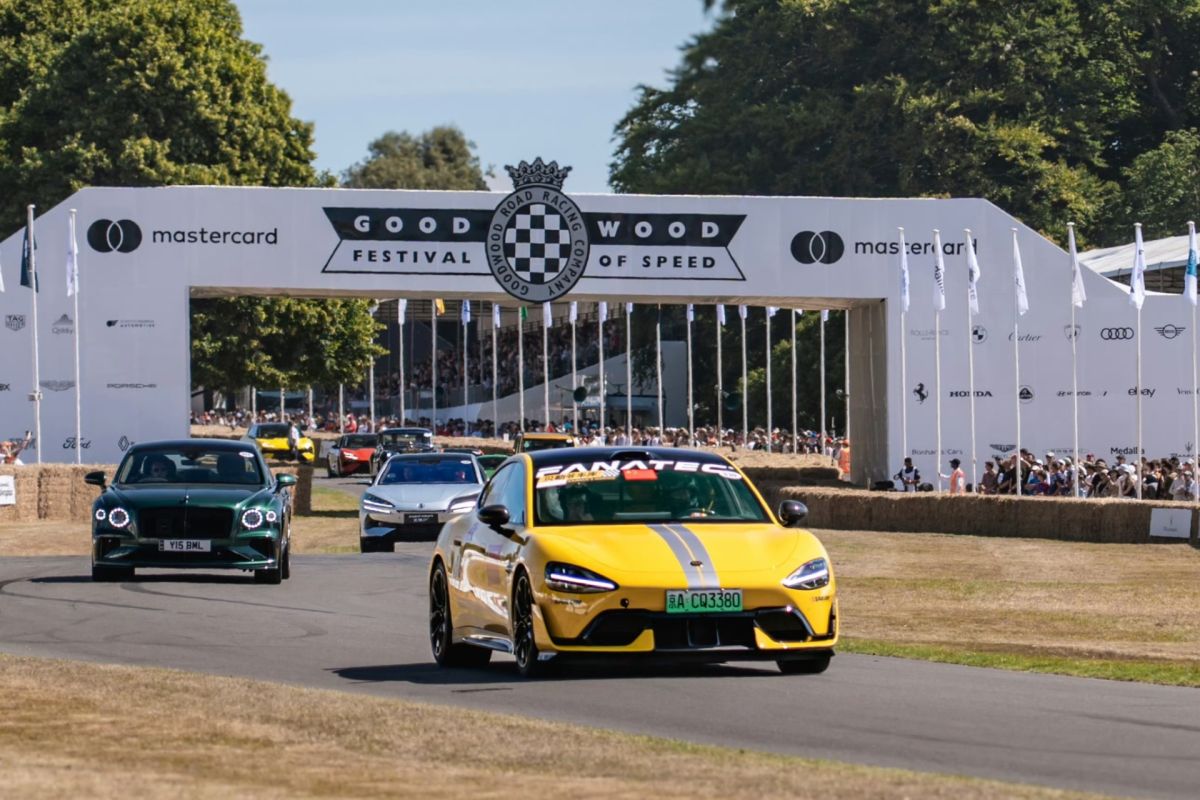
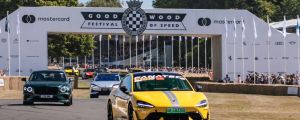




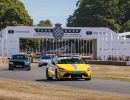

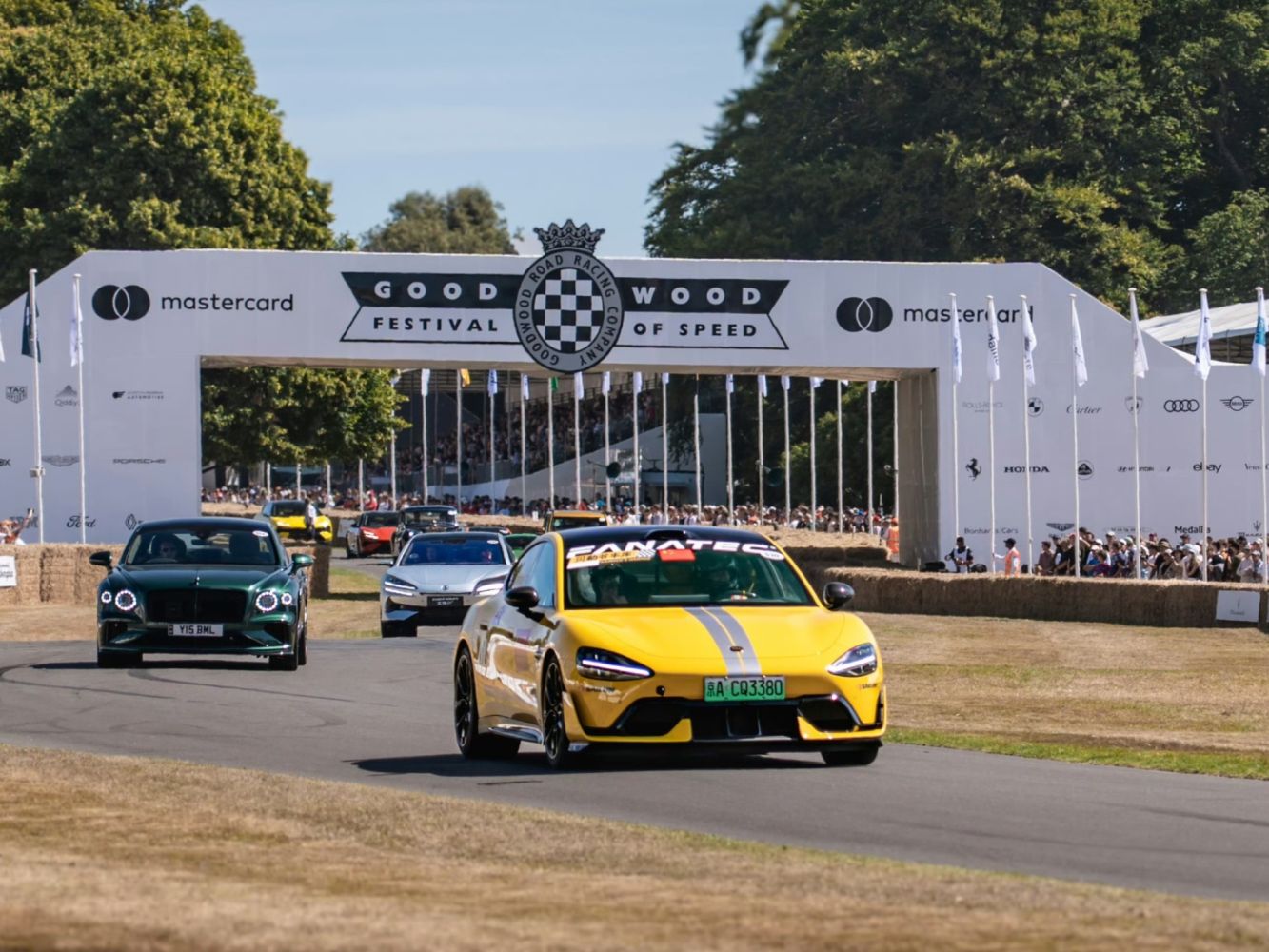
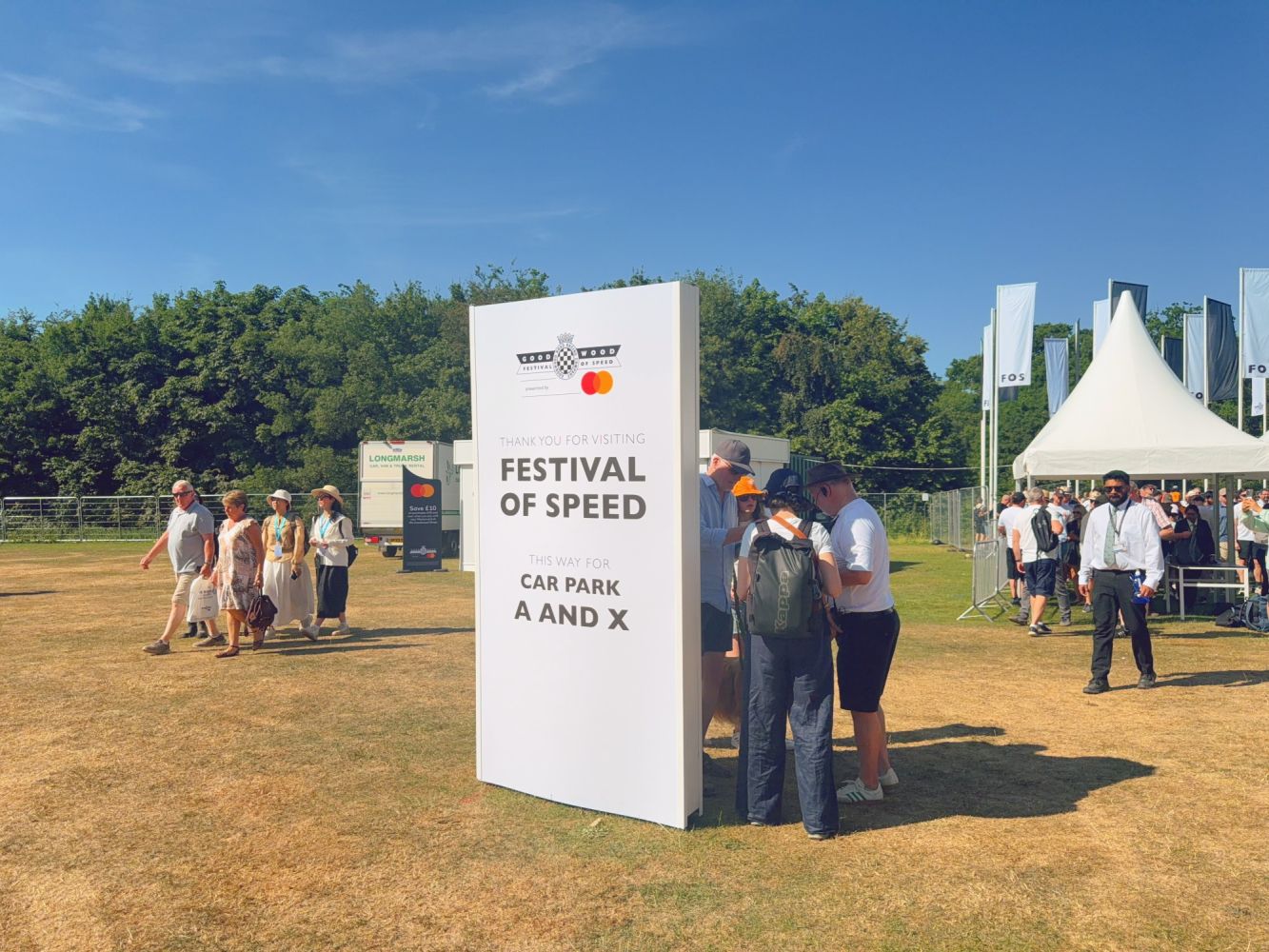


Ten years ago, few car enthusiasts would have expected one of the most prominent displays at the Goodwood Festival of Speed — one of the world’s most important celebrations of performance cars — to come from a Chinese automotive group.
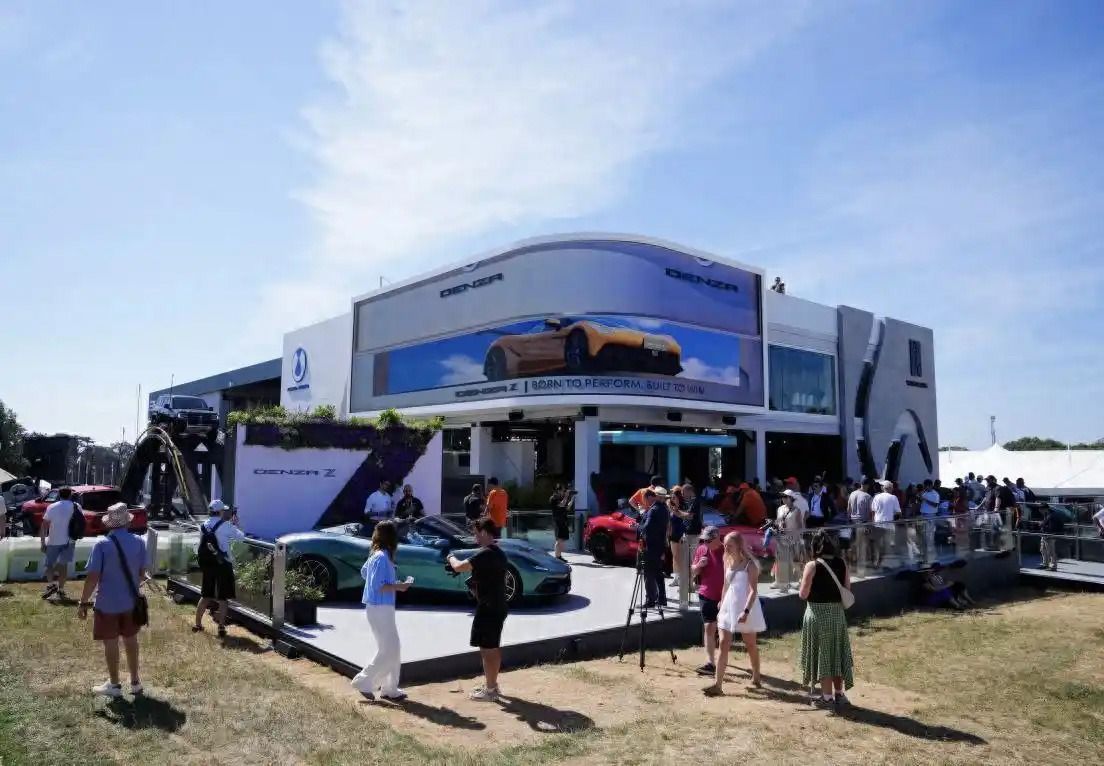
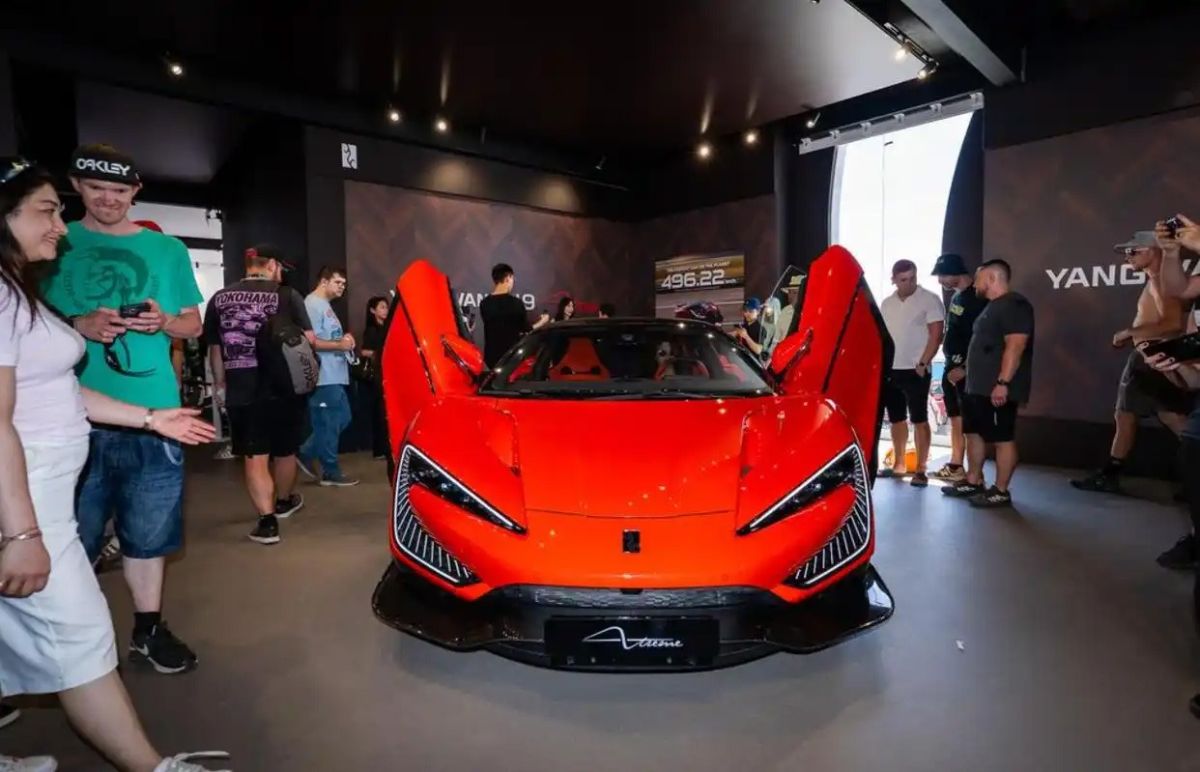
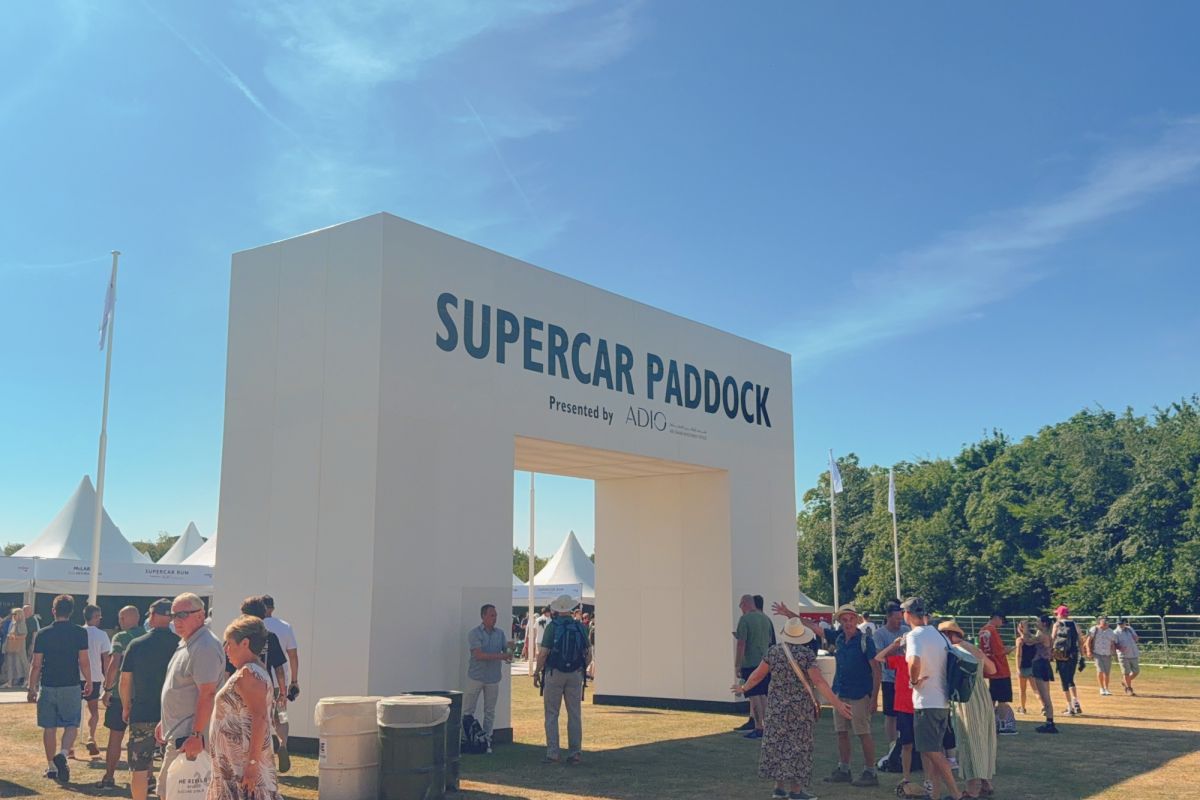
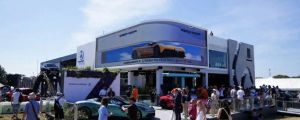
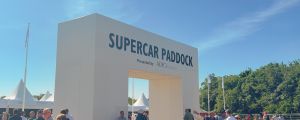
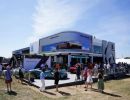
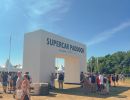
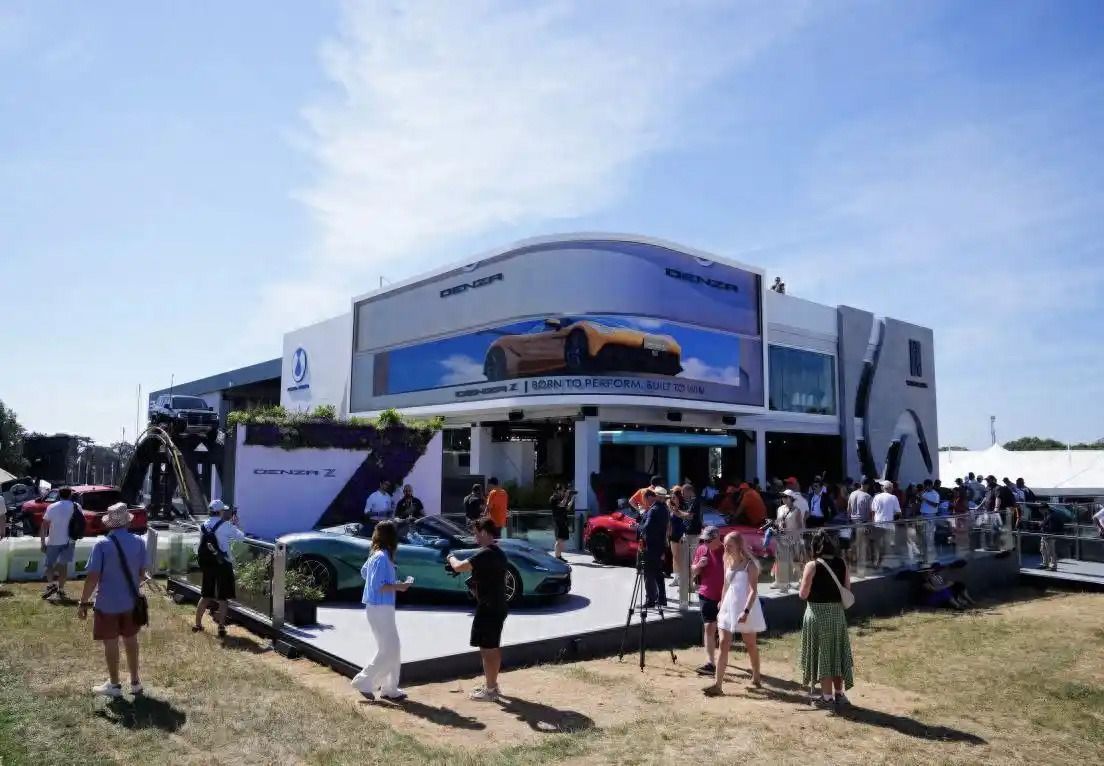
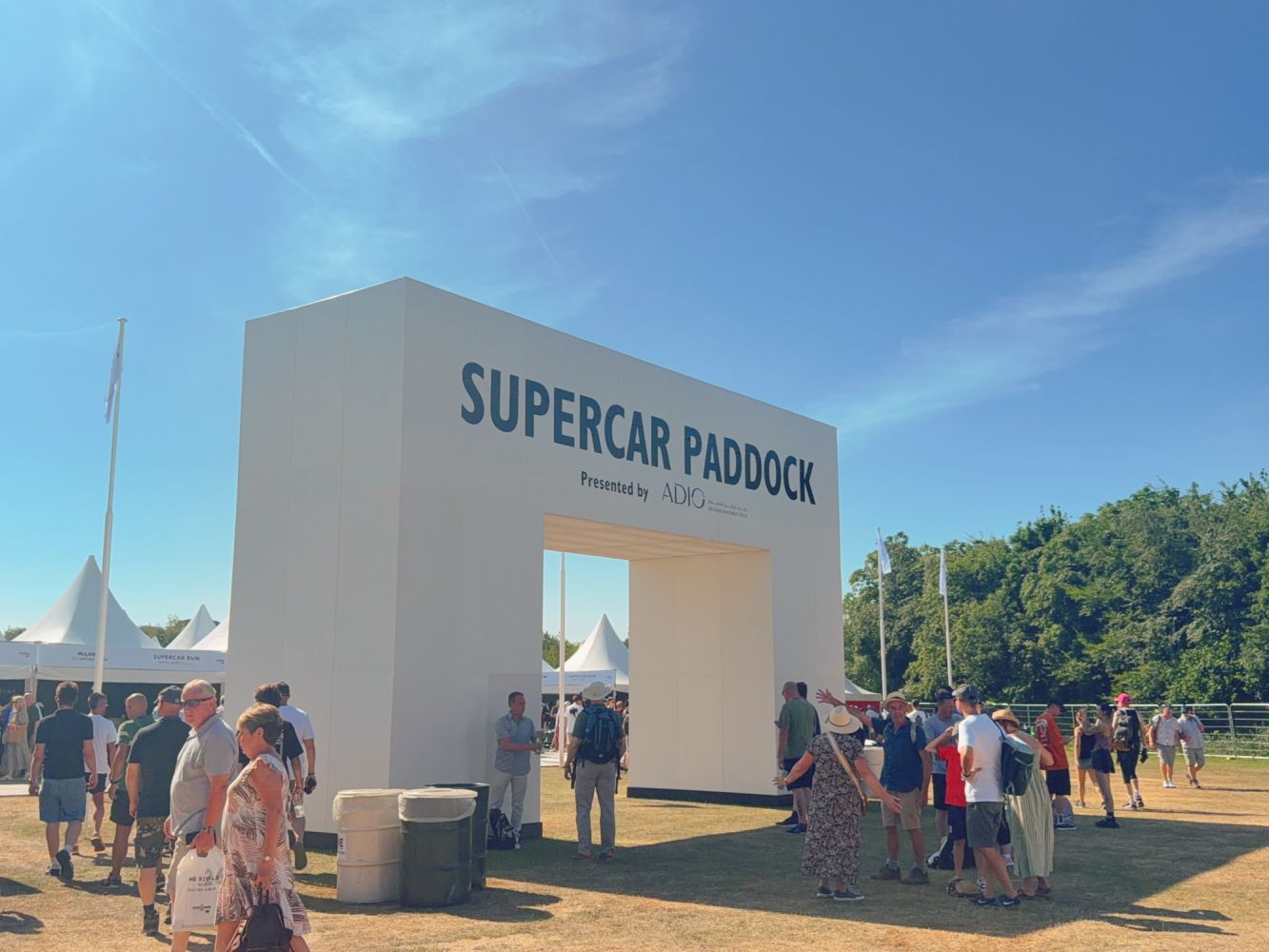
At the 2026 event in West Sussex, that shift was difficult to ignore. BYD, Denza and Yangwang occupied a 2,016-square-metre exhibition space, while eight vehicles from the group made their first appearances at Goodwood across the Supercar and First Glance paddocks. The scale of the presentation reflected how rapidly Chinese manufacturers are moving beyond affordable electric cars and into the global performance and luxury segments.
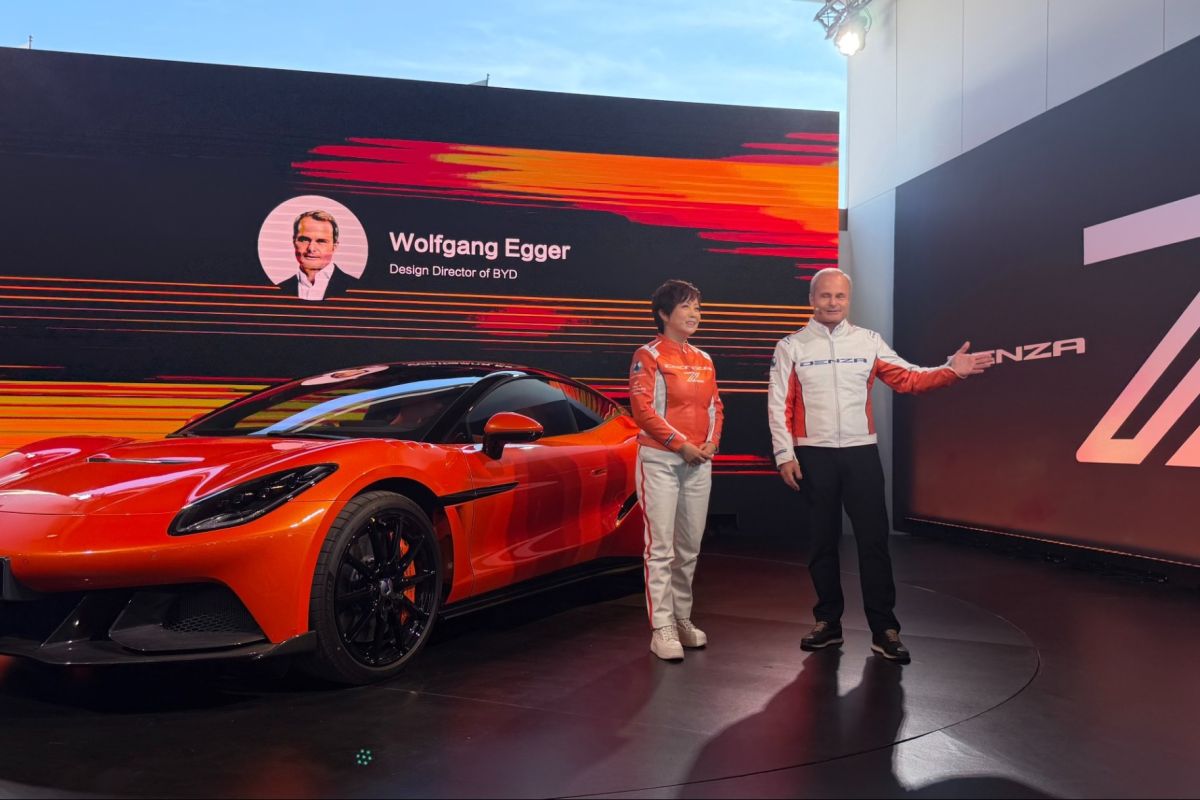
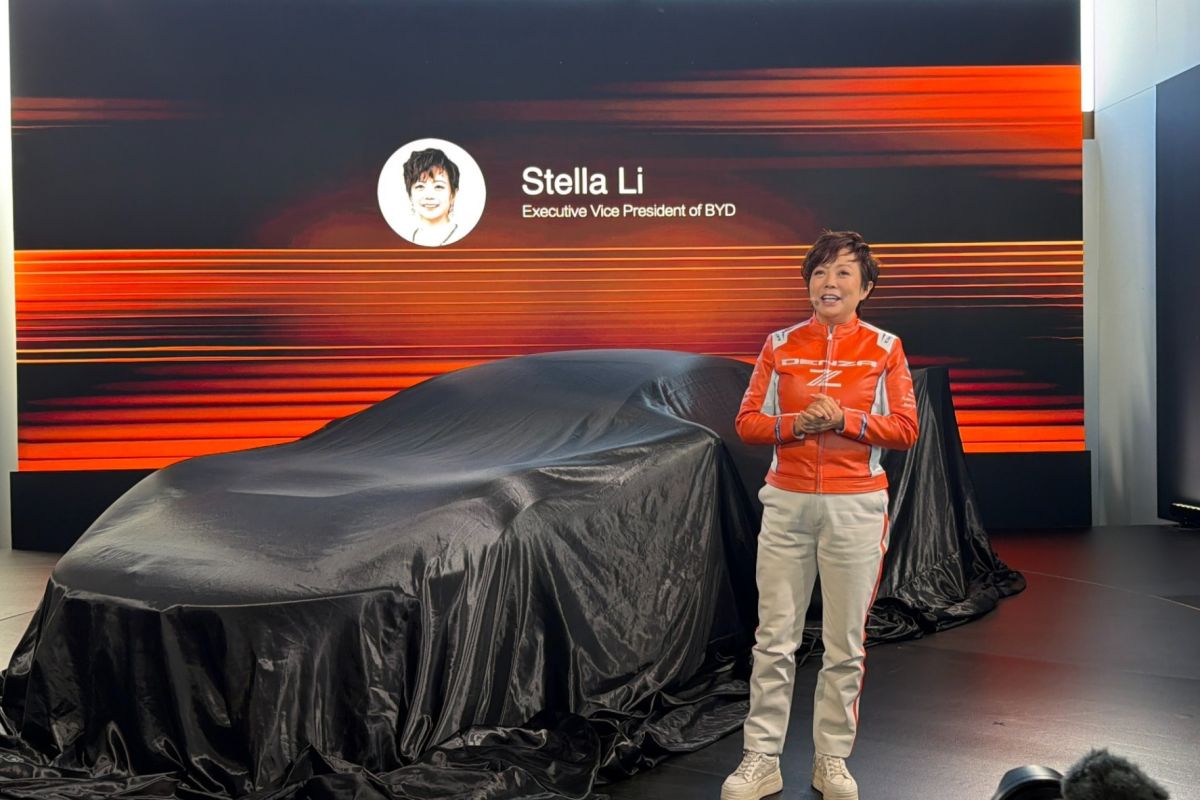
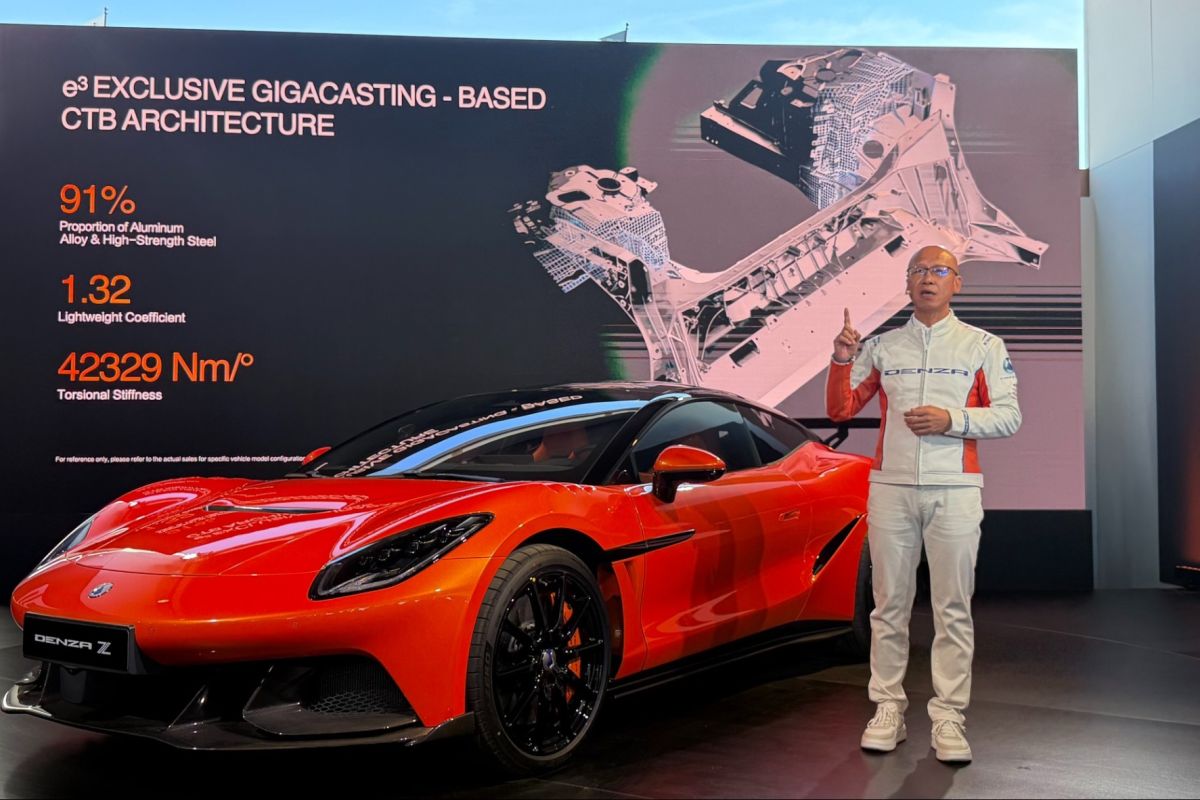
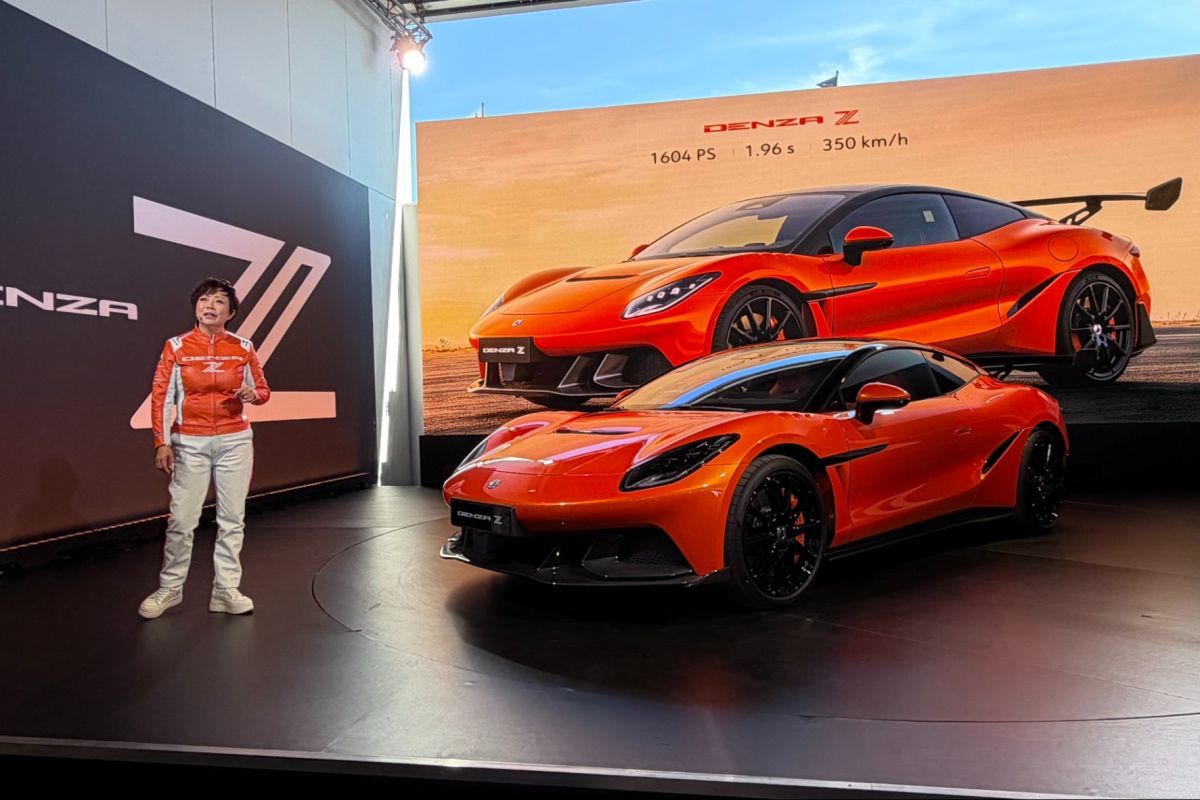
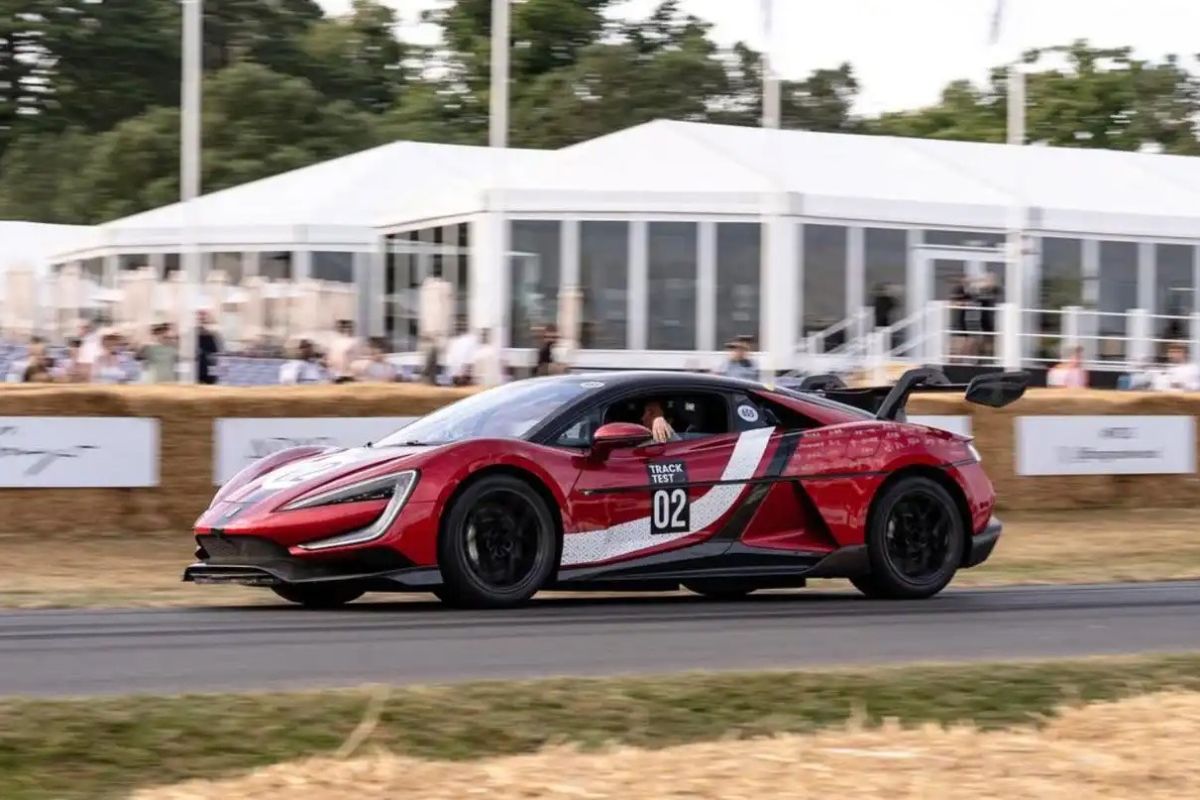
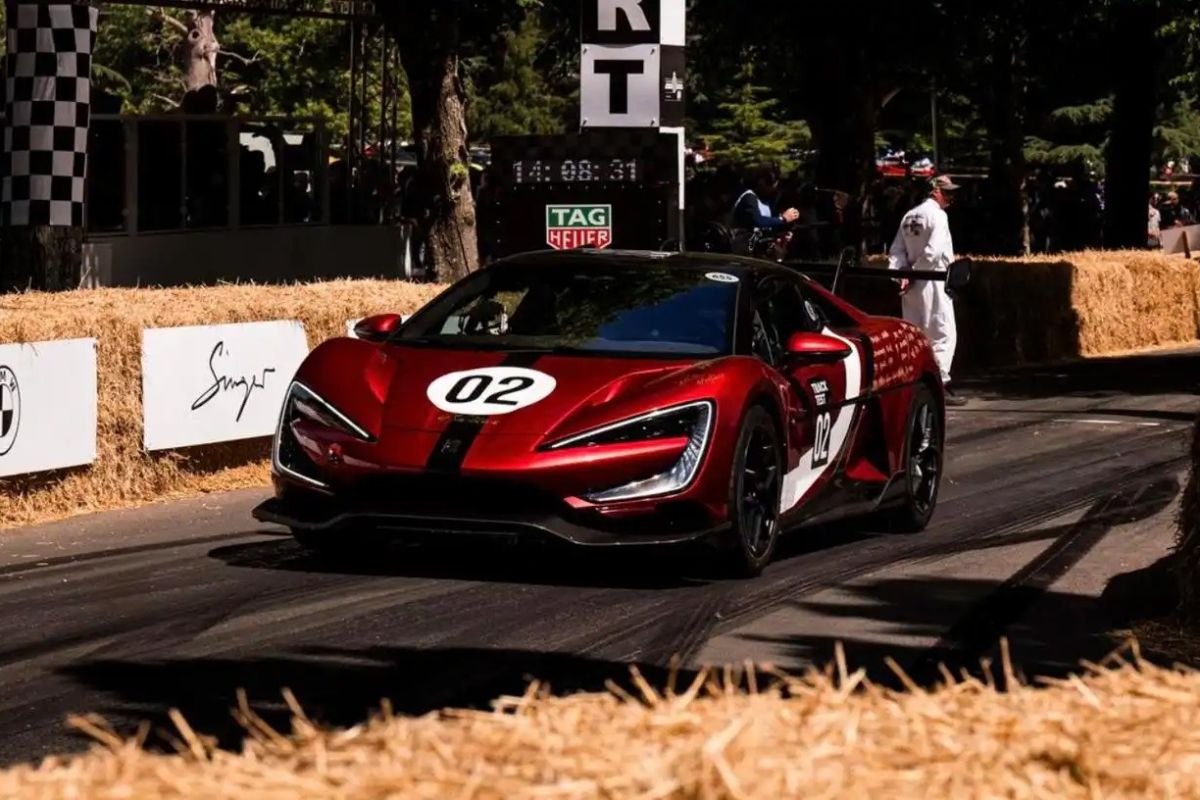
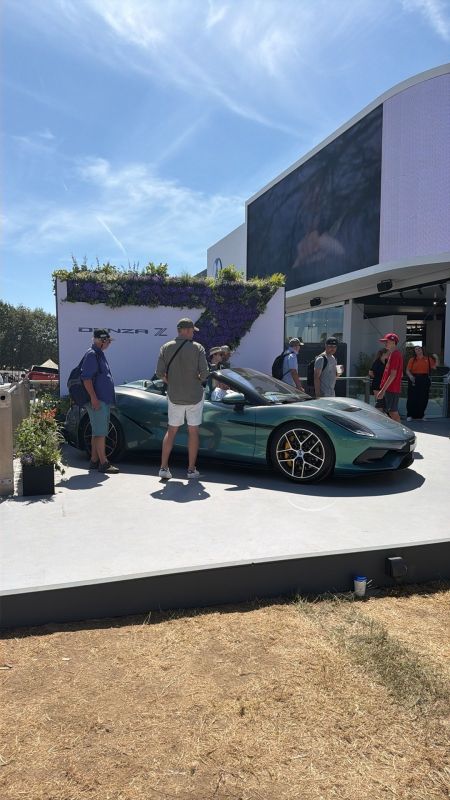
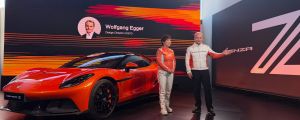
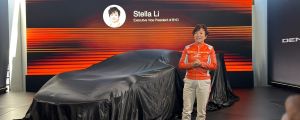
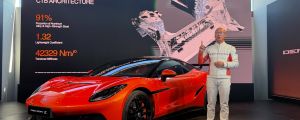
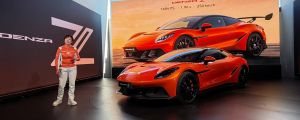
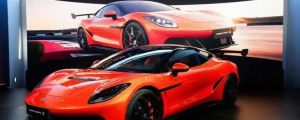
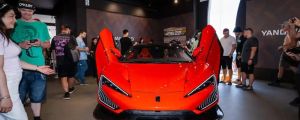
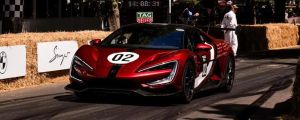
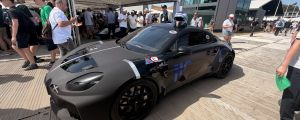
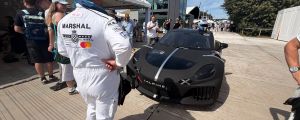
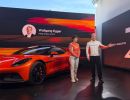
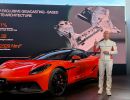
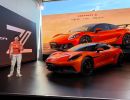
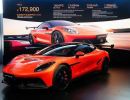
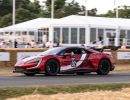
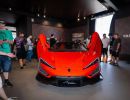
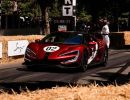
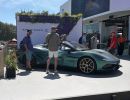
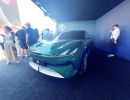
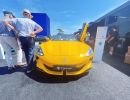
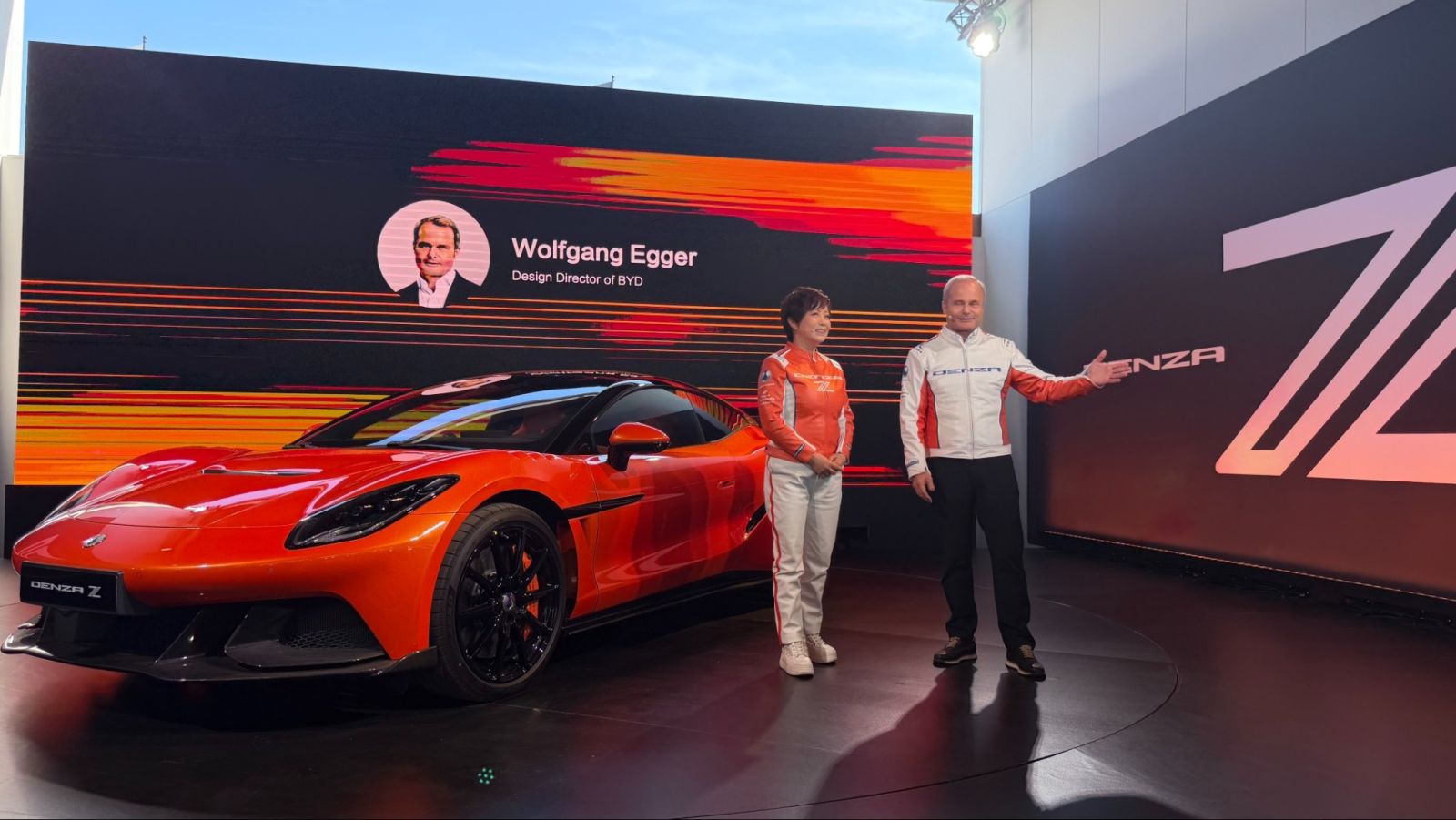
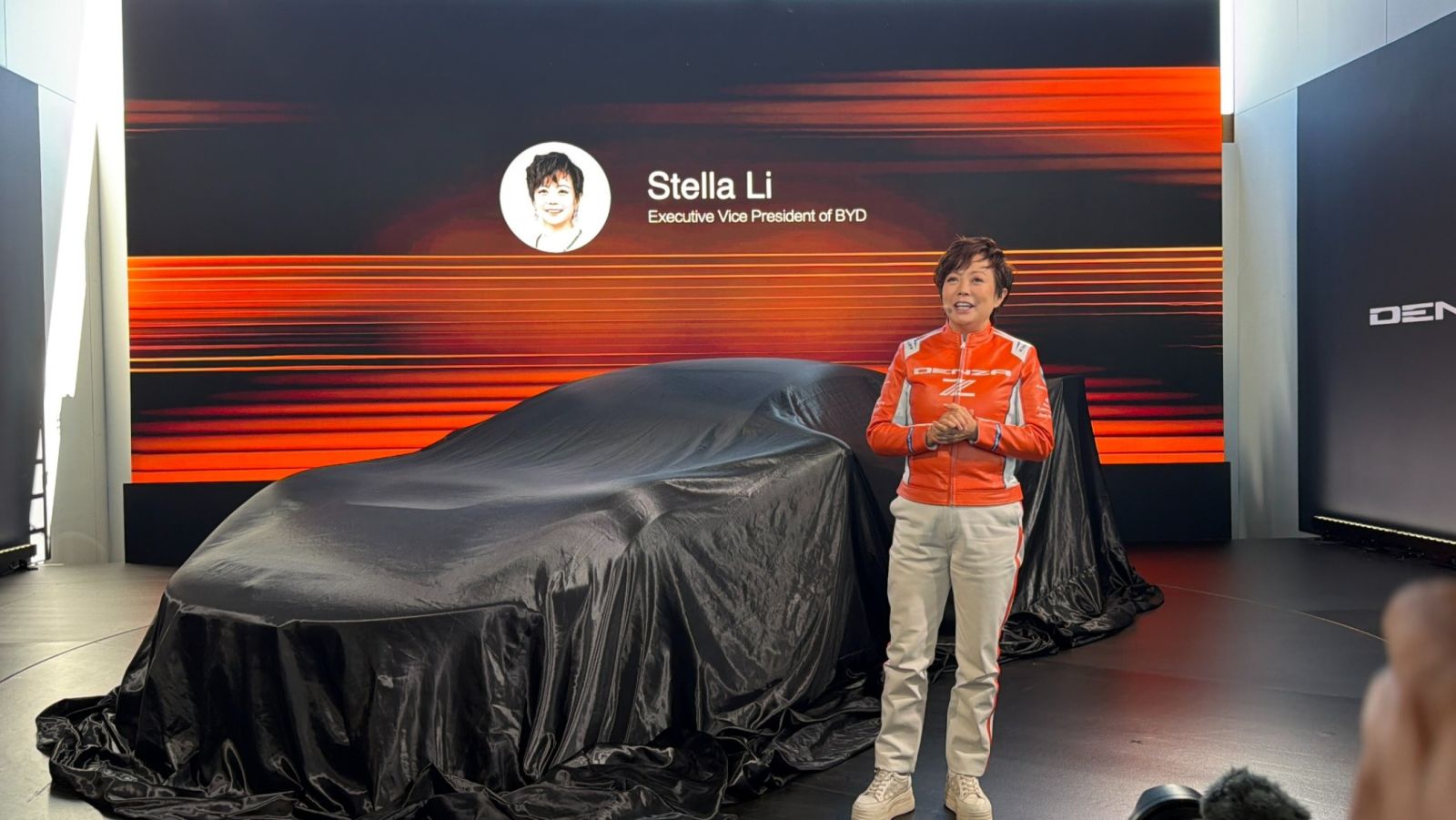
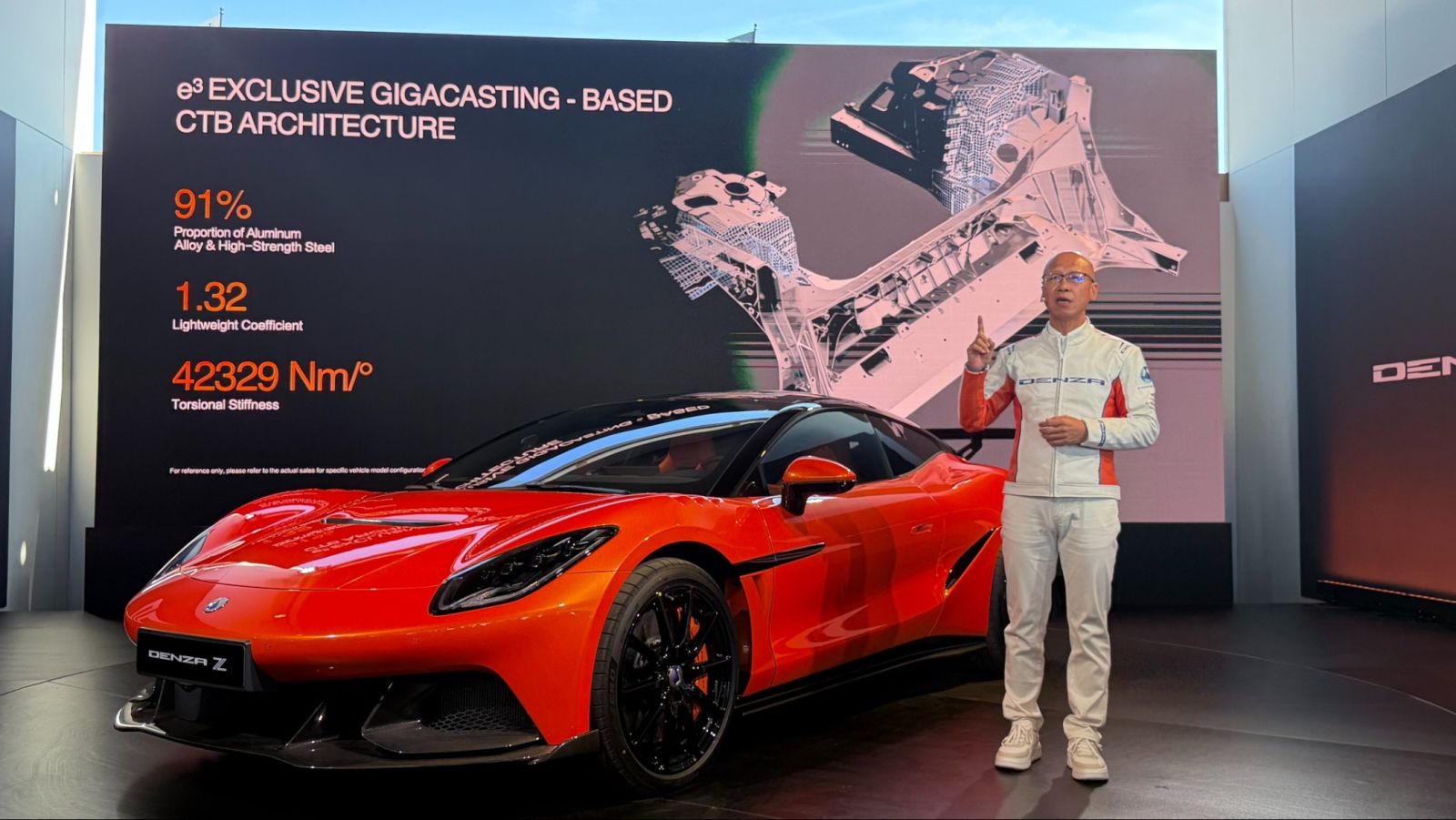
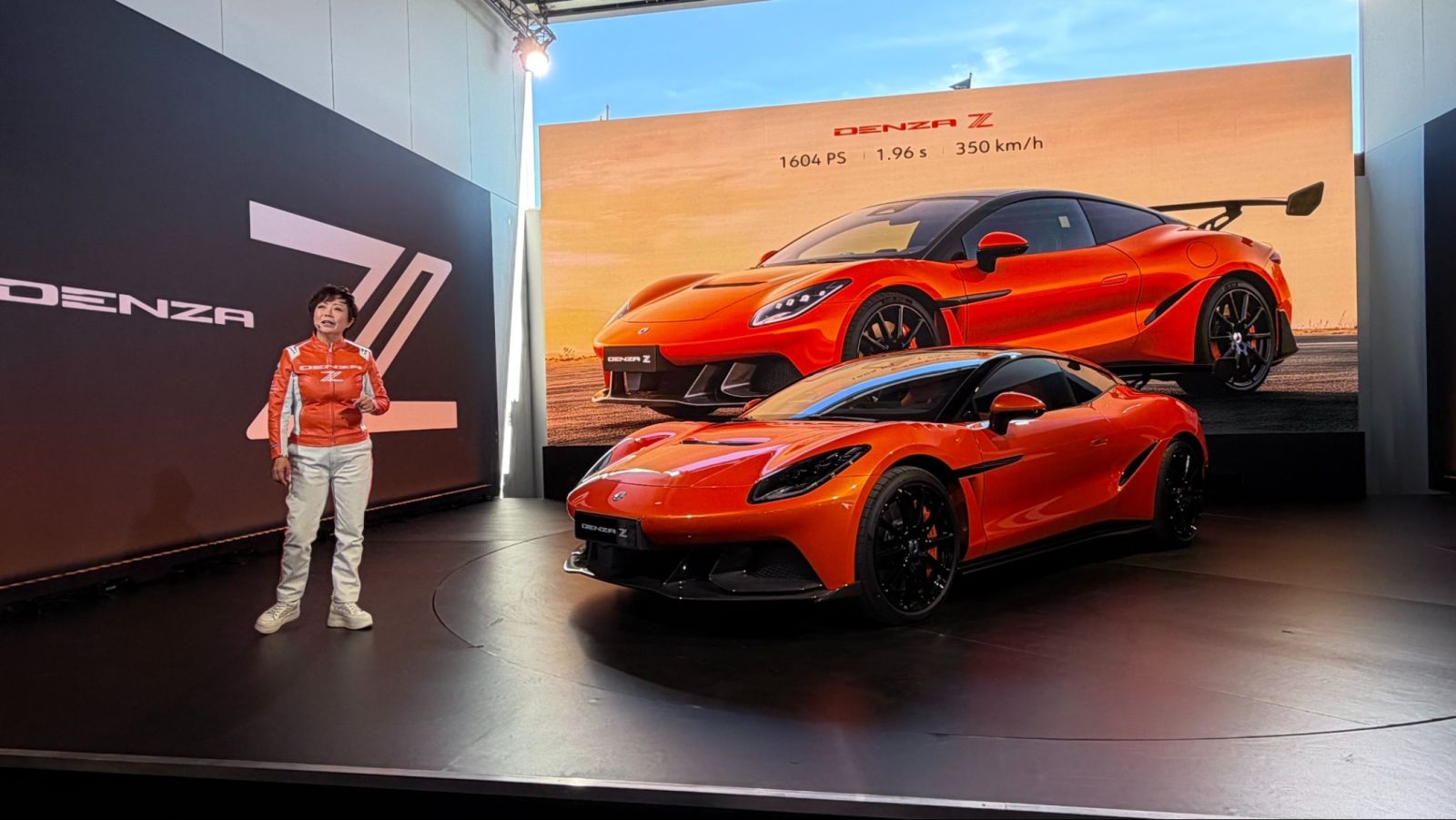
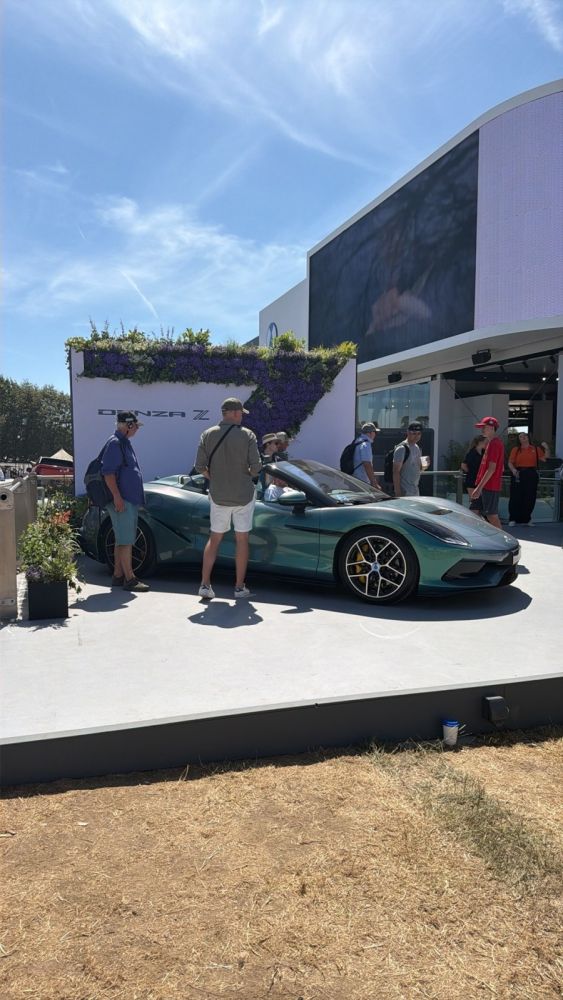
The centrepiece was the global debut of the Denza Z performance-car family, comprising Coupe, Racing and Spider variants. Designed under BYD Group design chief Wolfgang Egger, the Z is intended to position Denza as a technology-led luxury performance brand rather than simply another premium electric-car manufacturer.
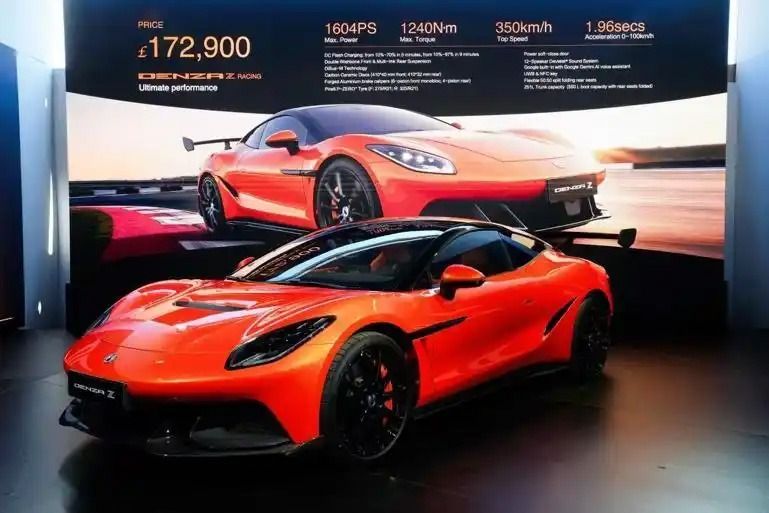
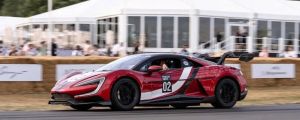
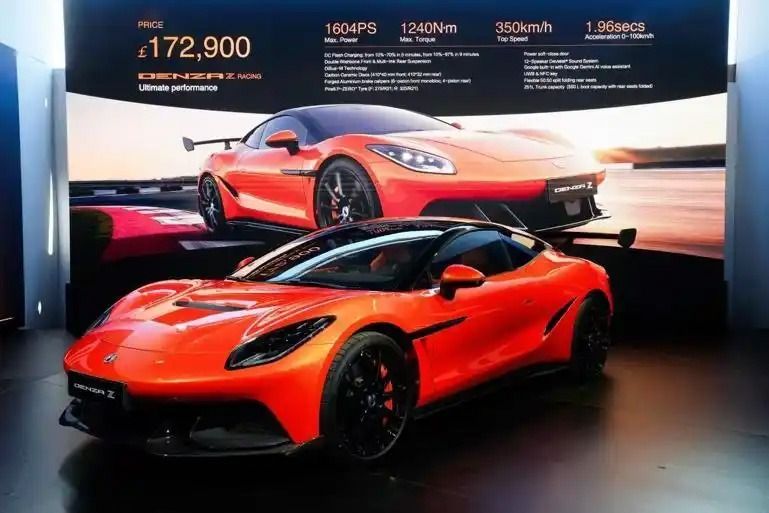
Its three-motor electric powertrain produces as much as 1,604 PS and 1,260 Nm of torque. The road-focused Coupe accelerates from 0 to 62 mph in 2.25 seconds and reaches 186 mph, while the more extreme Racing version cuts the acceleration time to 1.96 seconds and generates up to 1,060 kg of aerodynamic downforce.
Those figures placed the Denza Z among the most powerful vehicles shown at Goodwood. More importantly, its appearance marked a change in how Chinese electric cars are being presented to European audiences. The message was no longer centred on price, battery range or equipment levels alone. Denza was competing for attention through outright performance, design and engineering spectacle.
The Z also demonstrated BYD’s latest Flash Charging technology, which the company says can take the battery from 10% to 70% in five minutes under suitable charging conditions. The system forms part of a broader effort to reduce one of the remaining practical disadvantages associated with high-performance electric cars.
Beyond the Denza Z, BYD used the 2026 Goodwood Festival of Speed to introduce a varied collection of electric and plug-in hybrid vehicles to British enthusiasts.
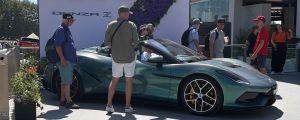
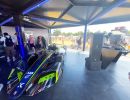
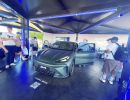
The display included the BYD Dolphin G DM-i compact hatchback and the Shark plug-in hybrid pick-up, alongside Denza’s Z9GT shooting brake and BAO 5 off-road SUV. The Shark and BAO 5 were also used on a dedicated off-road course, giving visitors an opportunity to experience the group’s electrified four-wheel-drive technology away from the famous Goodwood Hill.
Denza’s D9 luxury MPV and Z9GT further illustrated the brand’s broader ambitions in Europe, spanning executive transport, premium family vehicles and high-performance grand tourers. Denza is entering the UK with the Z9GT, D9 and B5 as its initial production range.
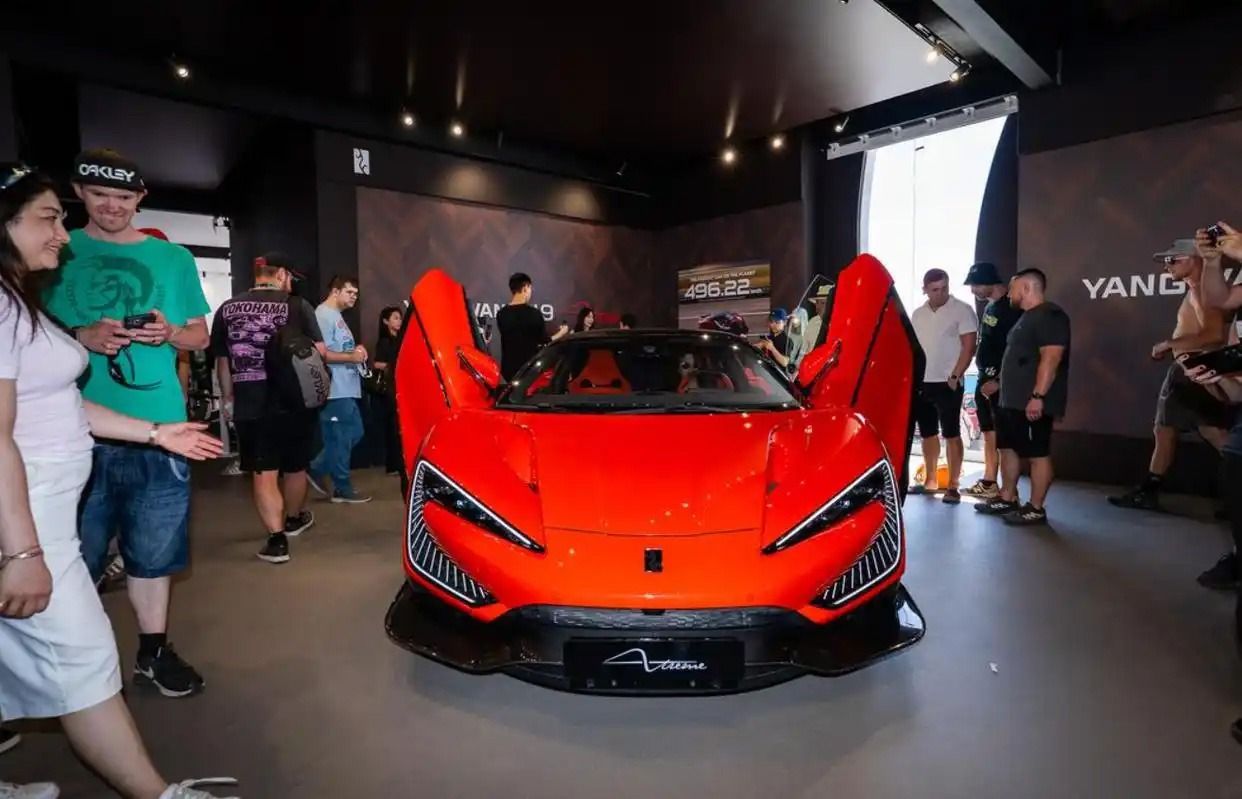
BYD’s flagship Yangwang brand provided another demonstration of the group’s engineering ambitions. Its Goodwood line-up included the U8L luxury SUV, the U7 saloon and the U9 Xtreme hypercar.
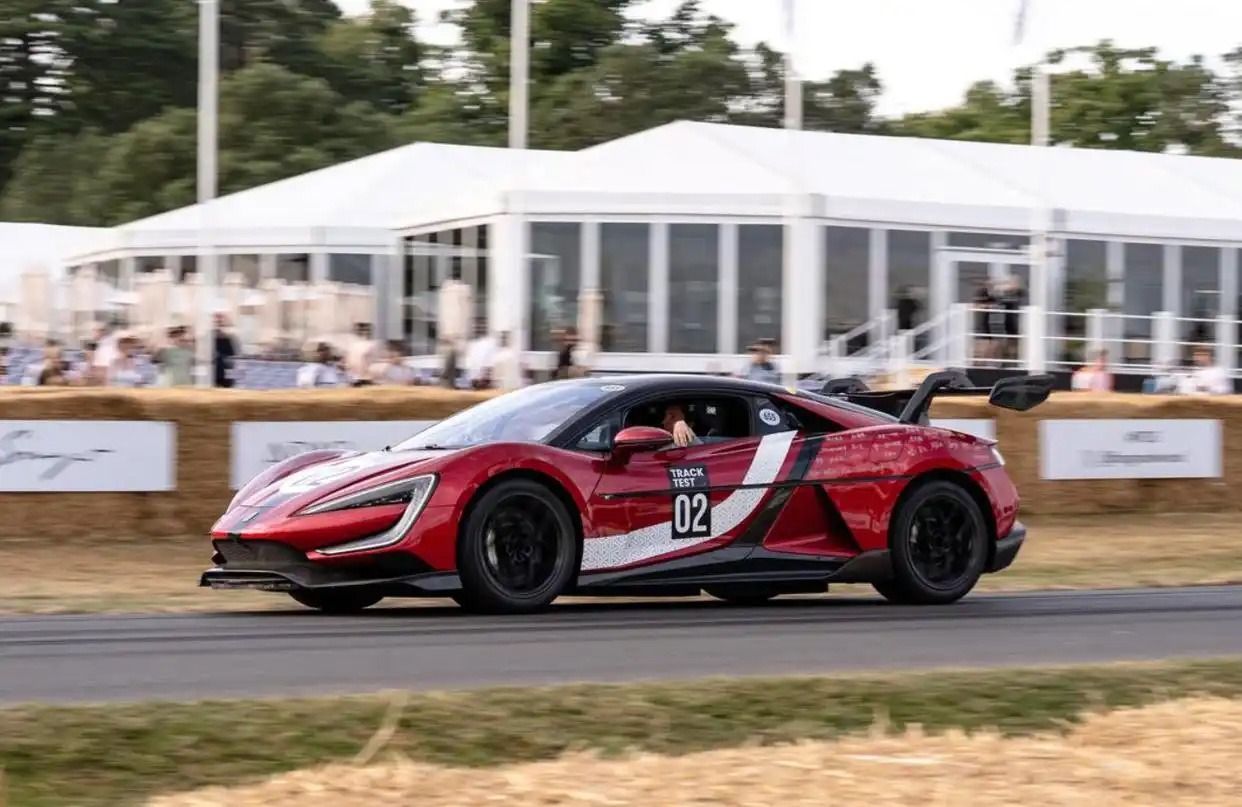
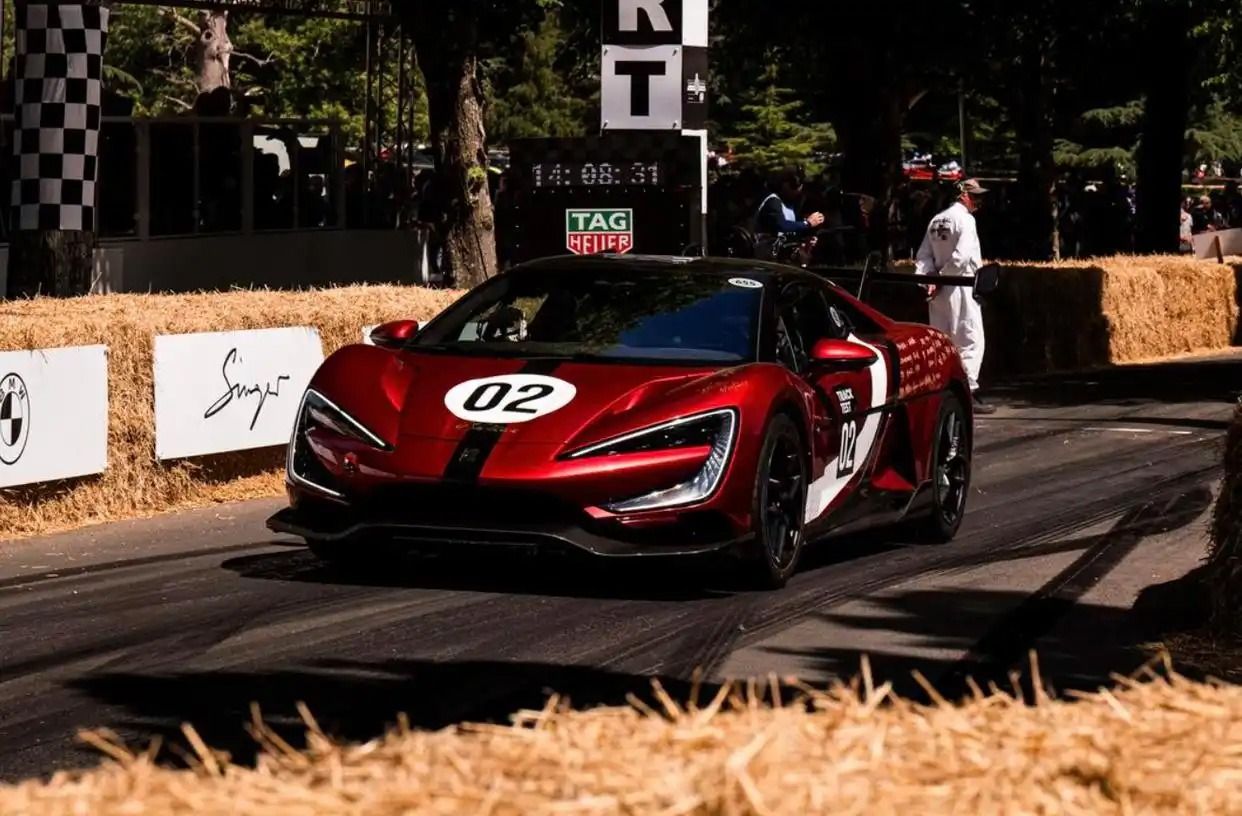
The U9 Xtreme arrived with output exceeding 3,000 PS and a claimed top speed of 308.3 mph. It joined the action on the narrow 1.16-mile Goodwood Hill, placing a Chinese-developed electric hypercar in the same environment traditionally occupied by Formula One machinery, historic racing cars and European supercars.
Goodwood attracts an audience with a deep knowledge of automotive engineering and motorsport history. Winning attention there is therefore different from generating interest at a conventional motor show. Chinese manufacturers are increasingly presenting their cars directly to enthusiasts who judge vehicles by performance, handling, design and technical credibility rather than price alone.
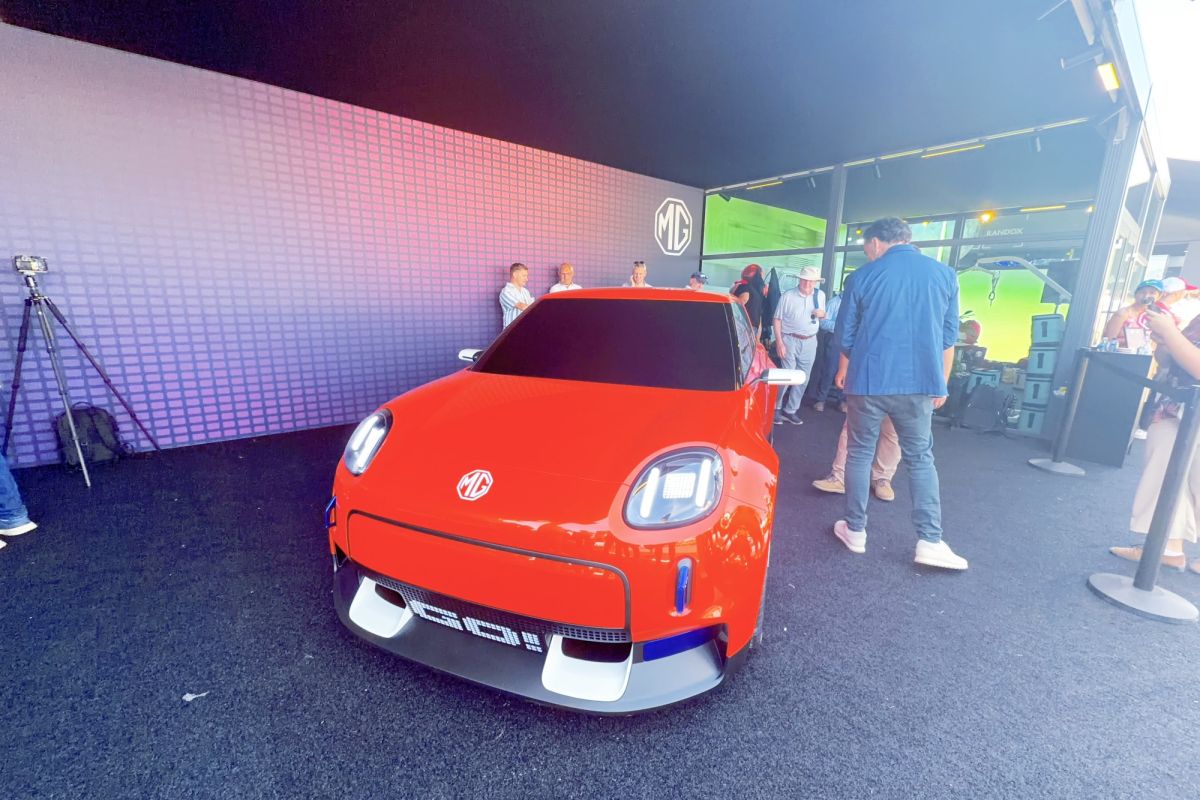
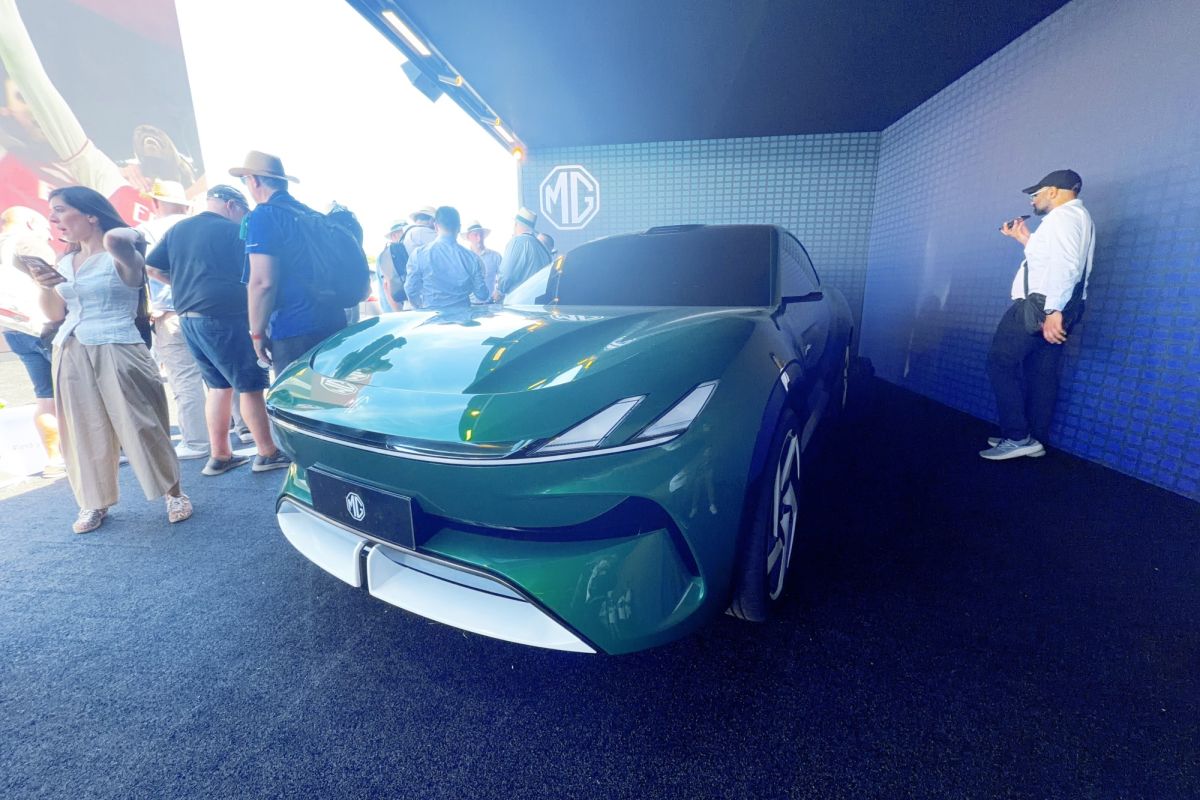
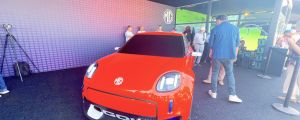
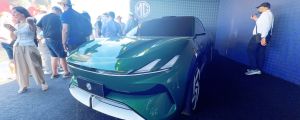
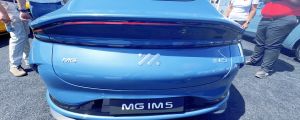
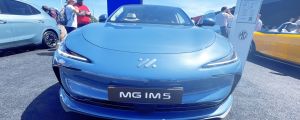
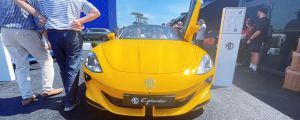
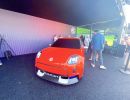
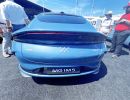
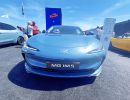
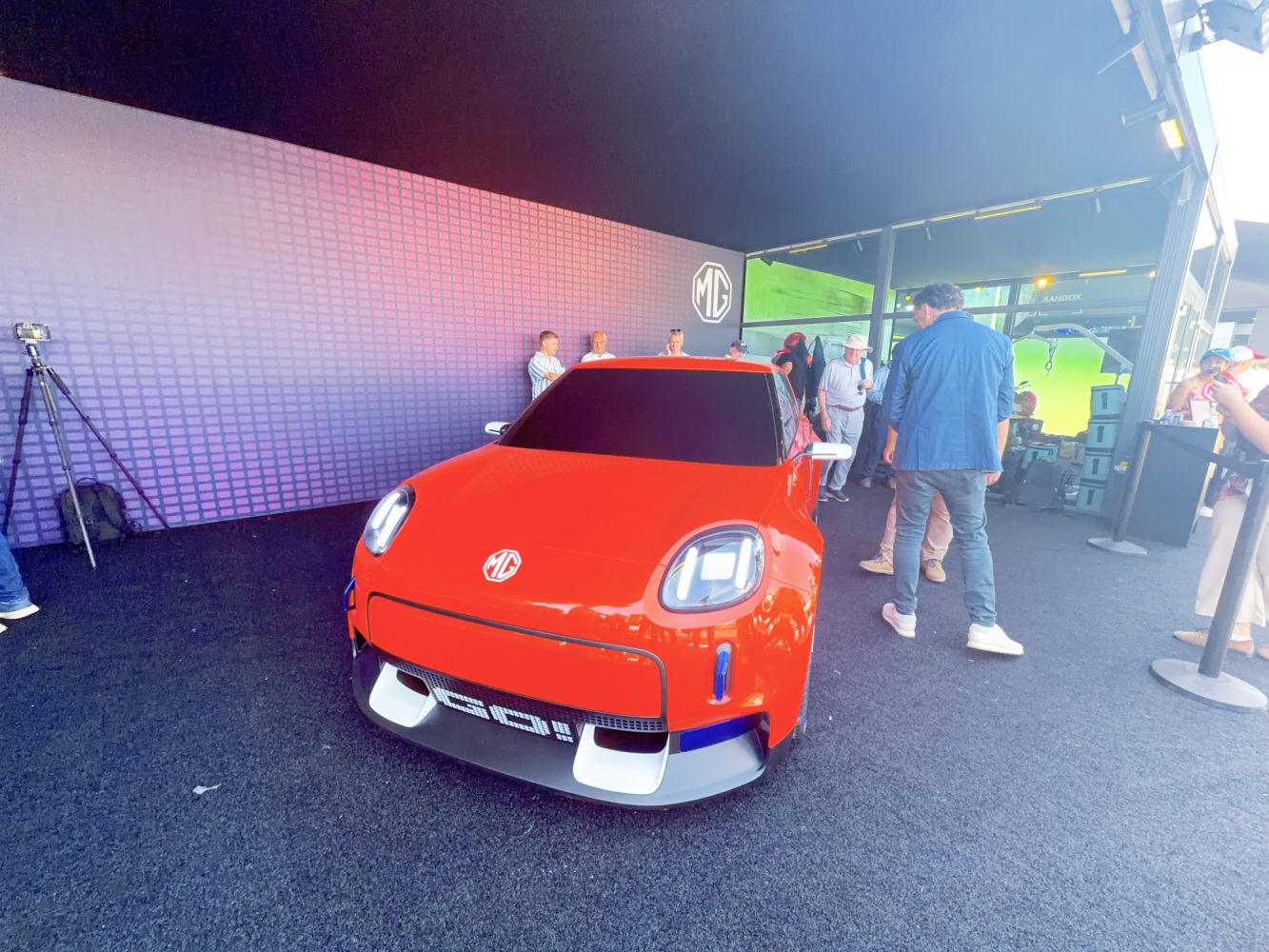
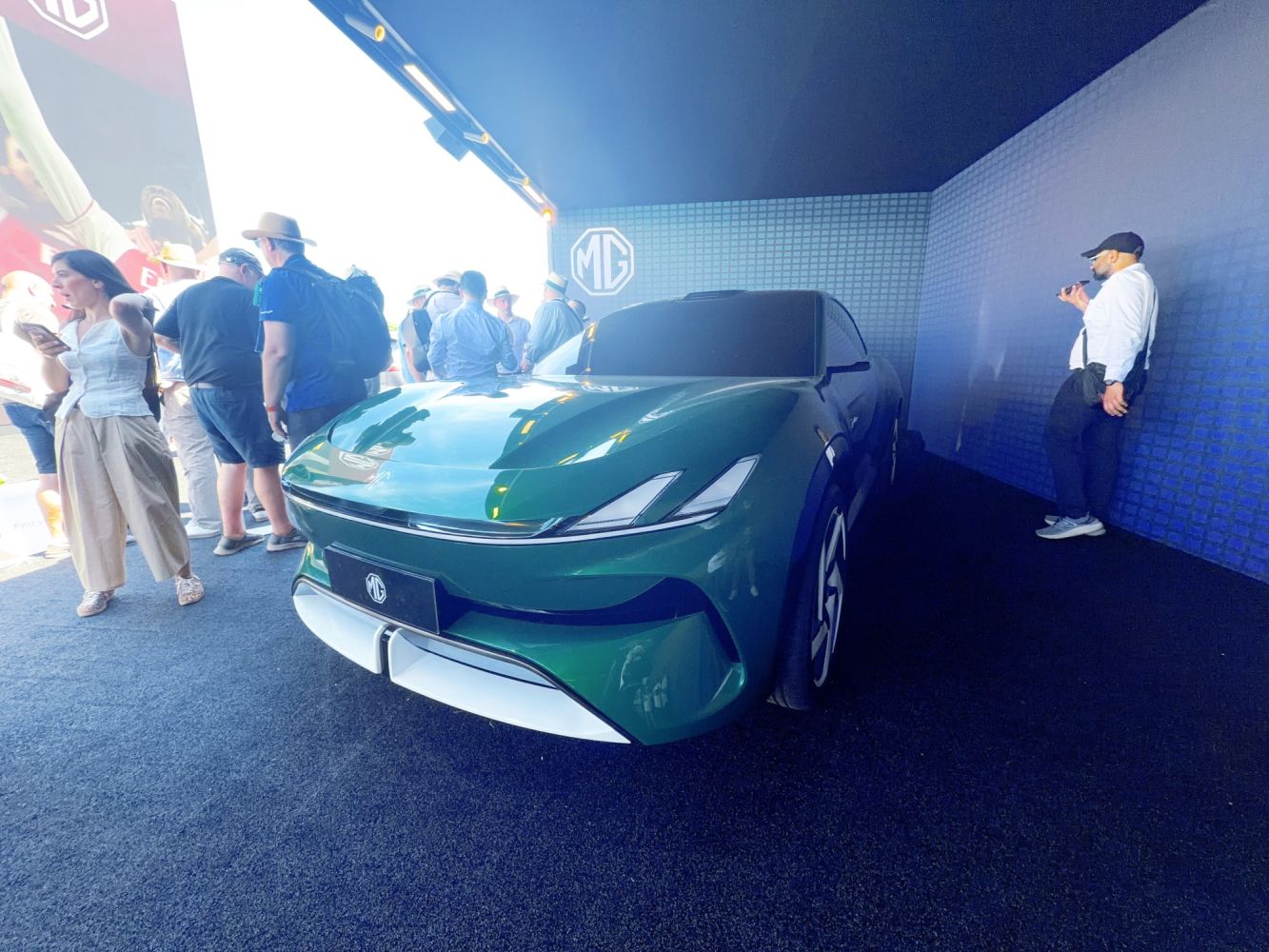
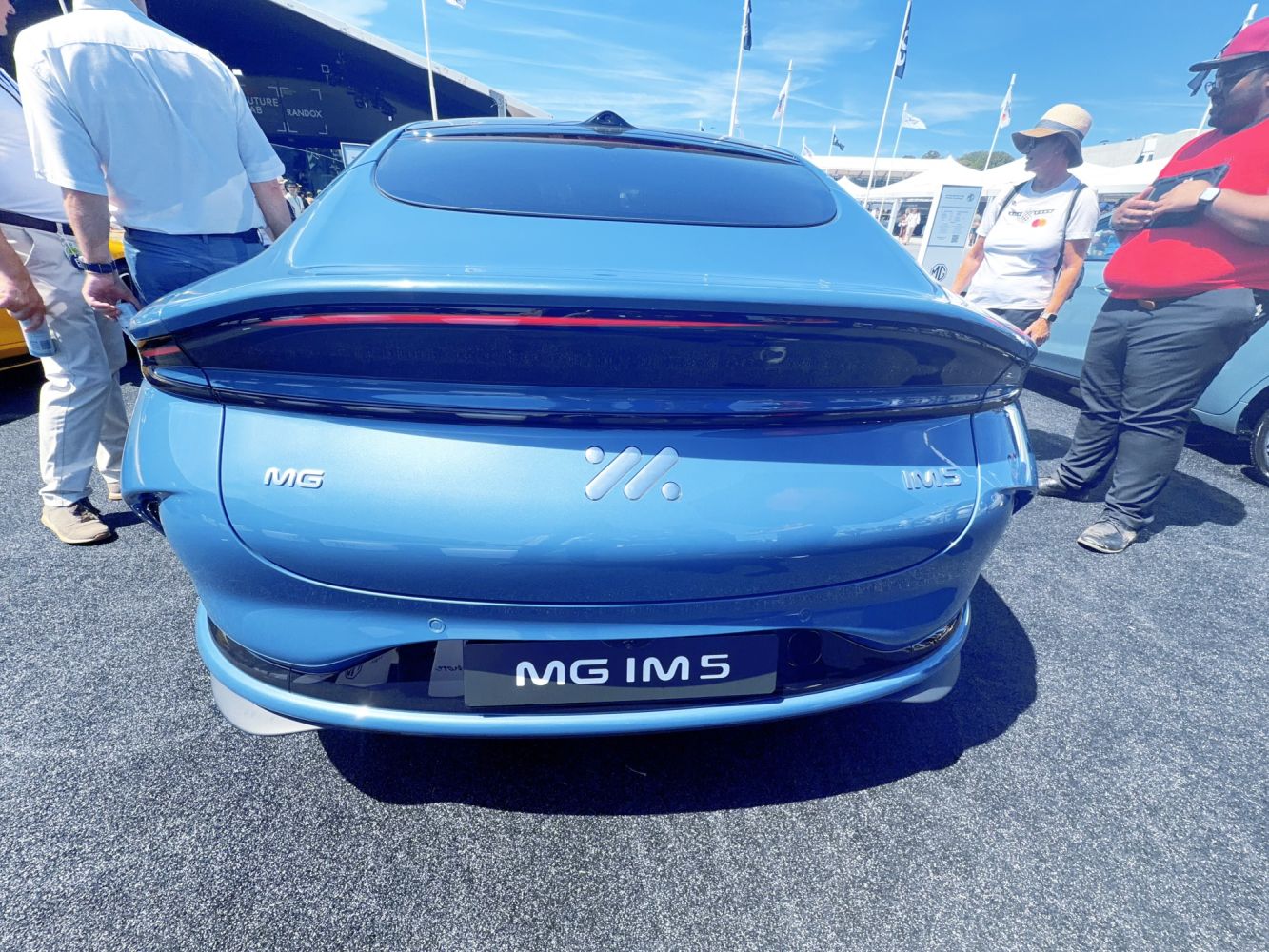
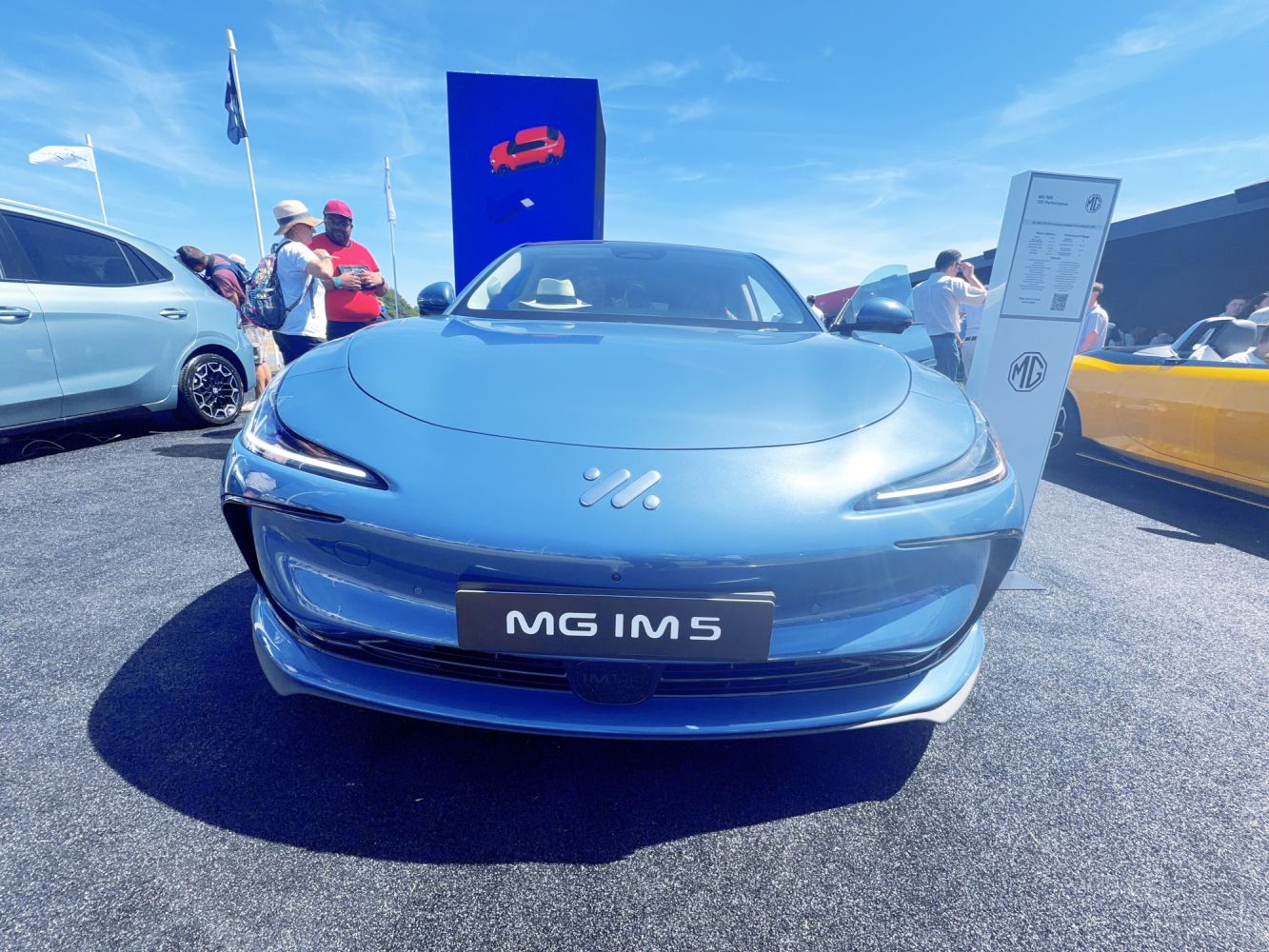
MG, the British marque owned by China’s SAIC Motor, also used Goodwood to reveal two new electric concepts: the MG GO! hatchback and the MG Cyber Concept SUV.
The MG GO! previews an accessible five-door electric car expected to enter production in 2027. Created by MG’s London design operation, the concept combines compact hatchback proportions with retro-futuristic details influenced by the brand’s sporting heritage. It is expected to compete in Europe’s growing market for lower-cost electric cars, where price and practical range remain decisive factors.
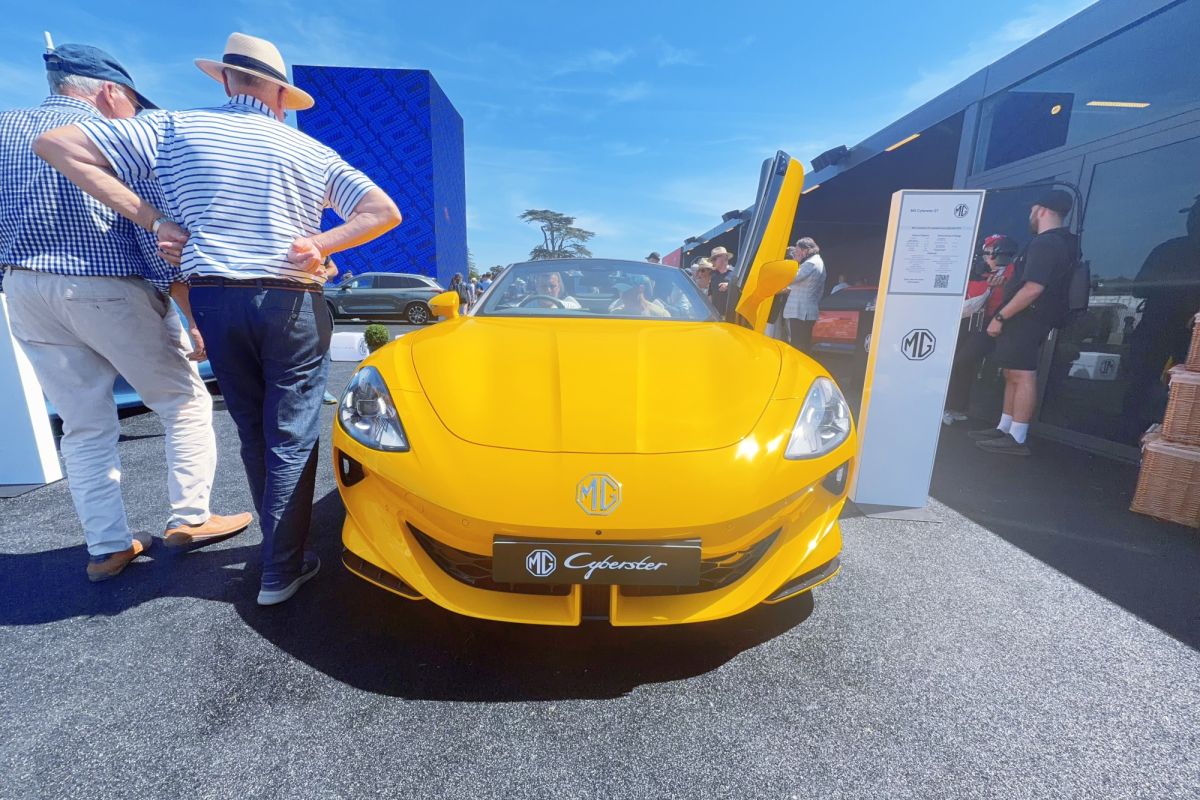
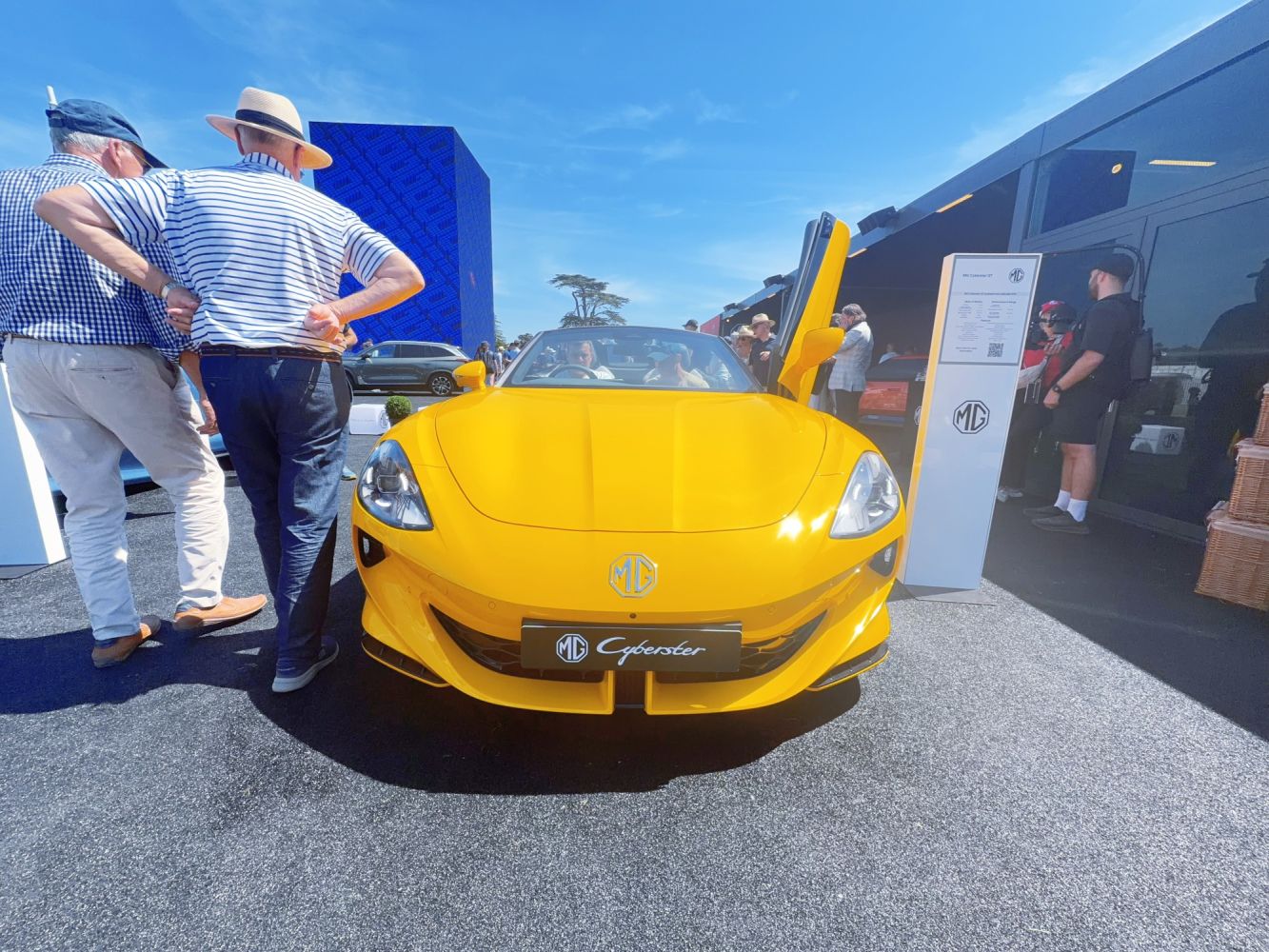
The larger MG Cyber Concept explores a more performance-oriented direction for a future D-segment SUV. Its design translates elements of MG’s Cyberster sports car and historic record-breaking vehicles into a larger body style, suggesting that the Cyber name could develop into a wider family of performance-focused electric models.
The significance of China’s presence at Goodwood extends beyond the individual cars. Chinese manufacturers initially gained ground overseas through competitively priced electric vehicles, generous standard equipment and fast product-development cycles. The 2026 displays showed that the next stage will increasingly be built around premium positioning, extreme performance and proprietary technology.
BYD is no longer presenting itself only as a high-volume electric-car producer. Through Denza and Yangwang, it is building a brand structure capable of competing across mainstream, luxury, off-road and hypercar categories. SAIC is pursuing a different route with MG, using a familiar European name and British-based design operations to develop vehicles tailored more directly to regional buyers.
At an event long associated with Porsche, Ferrari, McLaren and other established performance marques, Chinese-developed cars became some of the most discussed new arrivals. That does not mean Europe’s traditional manufacturers have been displaced, but it does show that the competitive landscape is expanding.
From entering European markets with affordable EVs to launching 1,600-PS supercars at one of the world’s most demanding automotive gatherings, Chinese brands are steadily changing what global consumers expect from the country’s automotive industry.