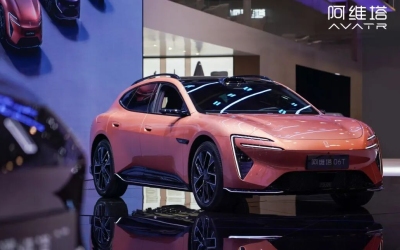
Avatr’s Hong Kong listing plan was supposed to be one of the cleaner stories in China’s crowded electric-vehicle market: a state-backed premium EV brand, supported by Changan Automobile, Huawei and CATL, seeking capital to accelerate growth. Instead, the company’s prospectus has lapsed, sales have slowed sharply, and investors are being asked to decide whether a valuation of about $3.8 billion still makes sense.
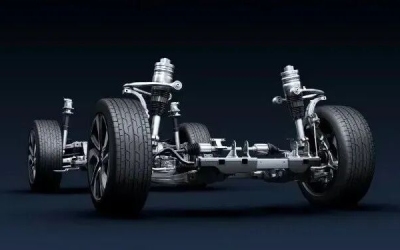
BYD has shown a vehicle driving on three wheels. Nio has made a car appear to dance. Behind these attention-grabbing demonstrations lies a deeper shift in automotive engineering: the rapid rise of the intelligent chassis, a technology built around digital control rather than purely mechanical tuning.
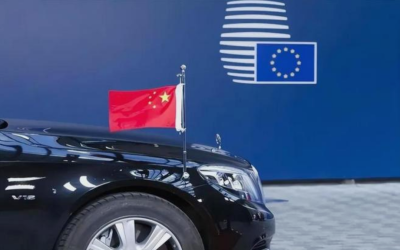
Europe has rapidly become the newest battleground for Chinese carmakers seeking growth overseas. As competition intensifies, the continent’s demanding regulatory standards and mature automotive ecosystem have turned it into a key testing ground for Chinese brands looking to move upmarket and expand globally.
BYD has announced price increases for several of its models, while a number of other new-energy vehicle makers have joined the same trend. The cost pressure facing the sector has now been laid bare. It also suggests that a turning point in the industry’s value system may be close at hand.
On the afternoon of 15 May, US President Donald Trump concluded his state visit to China and left Beijing aboard Air Force One. Trump’s previous visit to China dates back to 2017, when the Chinese car market was still in the final stage of an era dominated by joint-venture petrol vehicles.